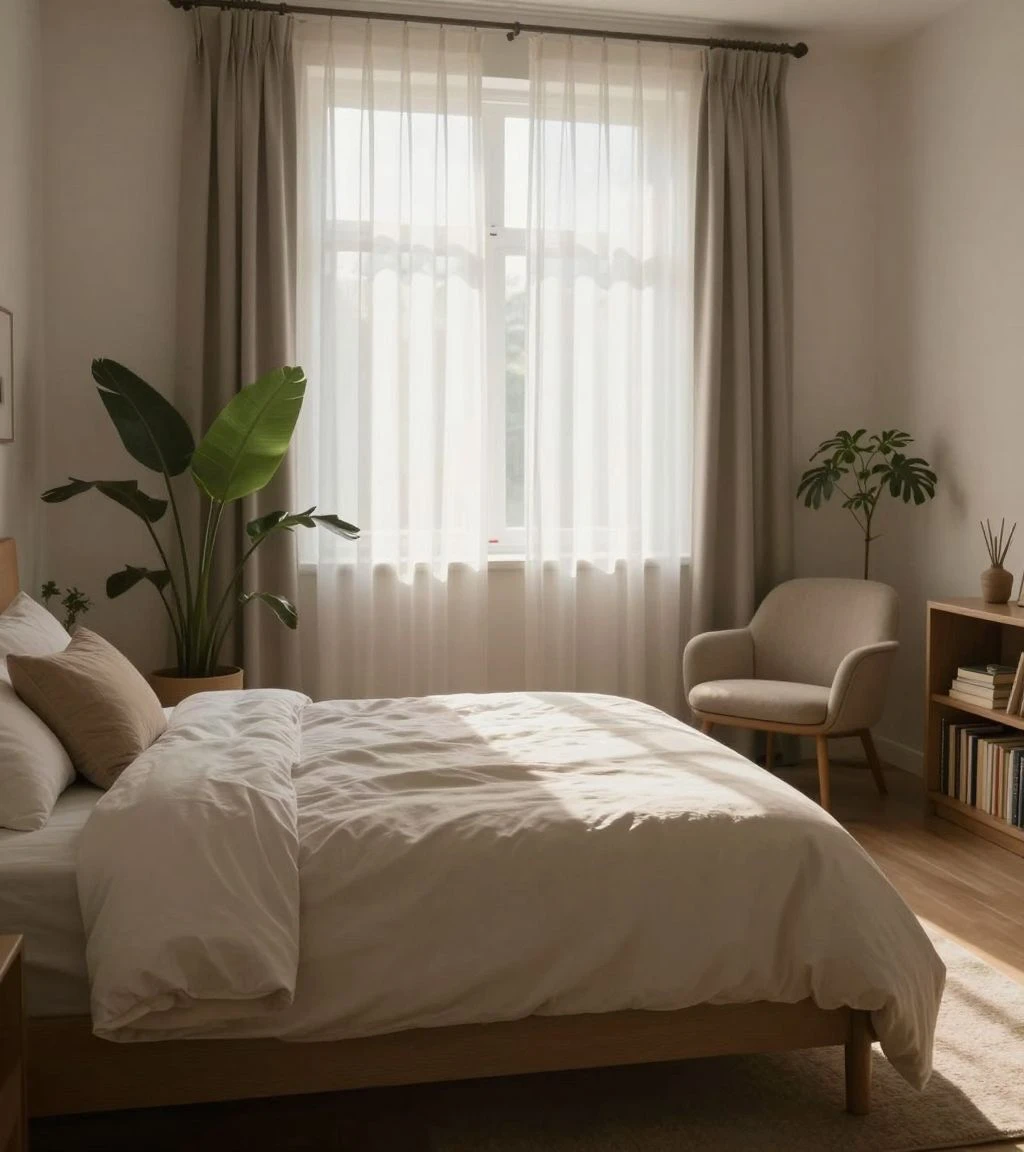
Your bedroom should be a sanctuary—a place that feels just right for you. Whether it’s where you start your day, wind down after work, or simply escape the chaos of life, your bedroom layout matters more than you might think. As we head into 2026, bedroom design is experiencing an exciting shift. We’re seeing fresh approaches that blend smart technology with timeless comfort, sustainable choices with personal style, and clever space solutions with genuine relaxation. In this article, we’ll walk you through 12 bedroom layout ideas that are working really well right now. You’ll find everything from calm, minimalist spaces to high-tech sanctuaries and eco-conscious designs—so whether you’re dreaming of a simple retreat or a multi-purpose room that does it all, there’s something here for you.
1. Minimalist Layouts: Less is More
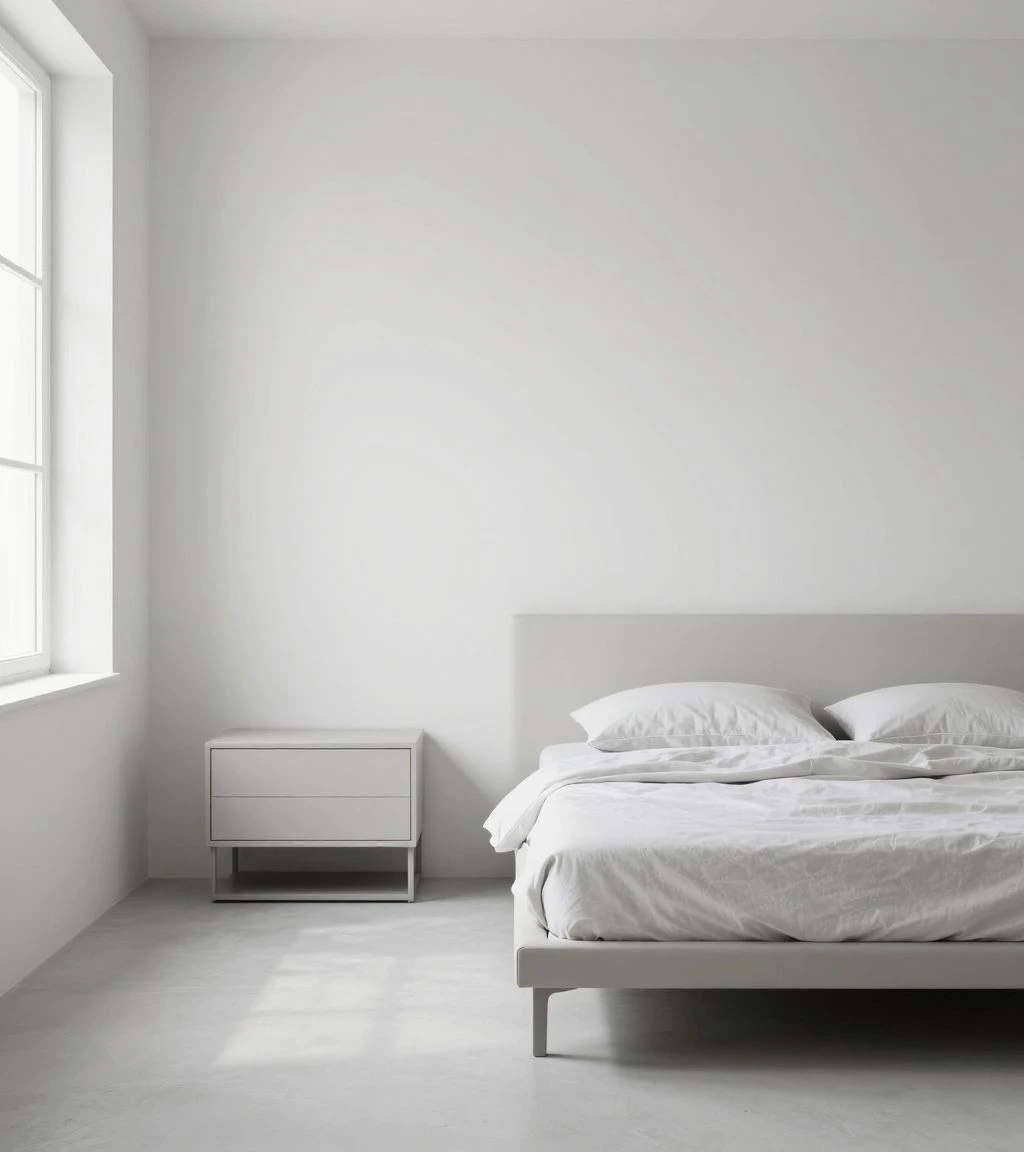
Minimalist design is all about simplicity and elegance. The principles of minimalist design focus on clean lines, minimal ornamentation, and a limited color palette. A minimalist bedroom layout can create a sense of calmness and serenity, making it ideal for a restful retreat. The benefits of a minimalist bedroom layout include enhanced space, reduced clutter, and a more tranquil atmosphere. Examples of minimalist layouts that enhance space and tranquility include using a simple bed frame, a minimalist nightstand, and a limited number of decorative pieces.
2. Multi-Functional Spaces: The Rise of Versatility
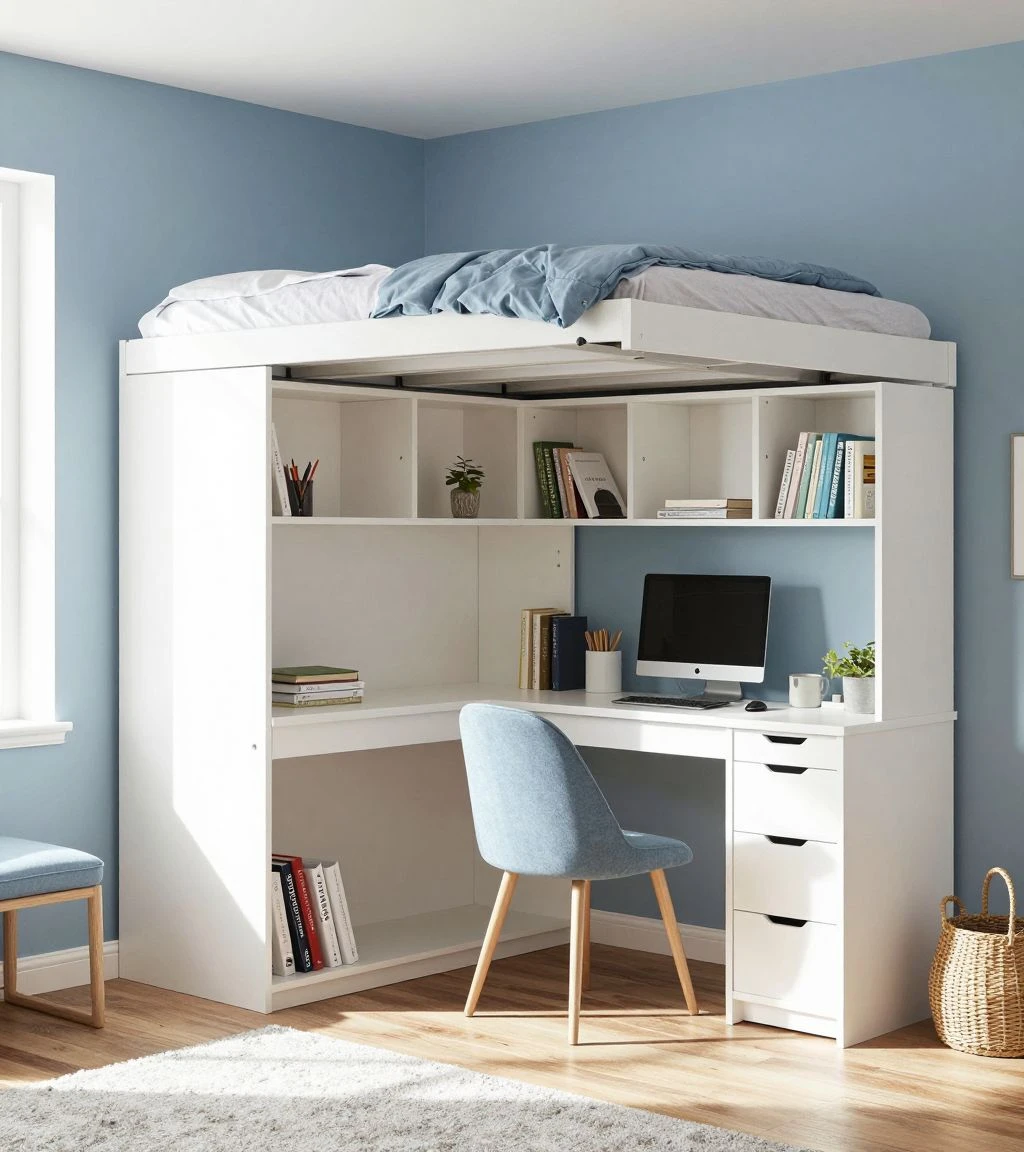
Multi-functional furniture and layouts are becoming increasingly popular in bedroom design. The idea is to create a bedroom that serves multiple purposes, such as a workspace, a reading nook, or a relaxation area. By incorporating multi-functional furniture, such as a storage bed or a desk with built-in shelving, you can create a bedroom that is both functional and efficient. Case studies of effective multi-functional bedroom designs include using a murphy bed to create a home office or a guest room, or incorporating a storage ottoman to provide additional seating and storage.
3. Smart Bedrooms: Integrating Technology
Smart home technology is revolutionizing the way we design our bedrooms. With the integration of smart devices and sensors, you can create a bedroom that is convenient, efficient, and comfortable. Smart layouts can include features such as automated lighting, temperature control, and security systems. Examples of tech-integrated bedroom designs include using smart lighting systems to simulate a sunrise, or incorporating a smart thermostat to regulate the temperature and humidity levels in the bedroom.
4. Biophilic Design: Bringing the Outdoors In
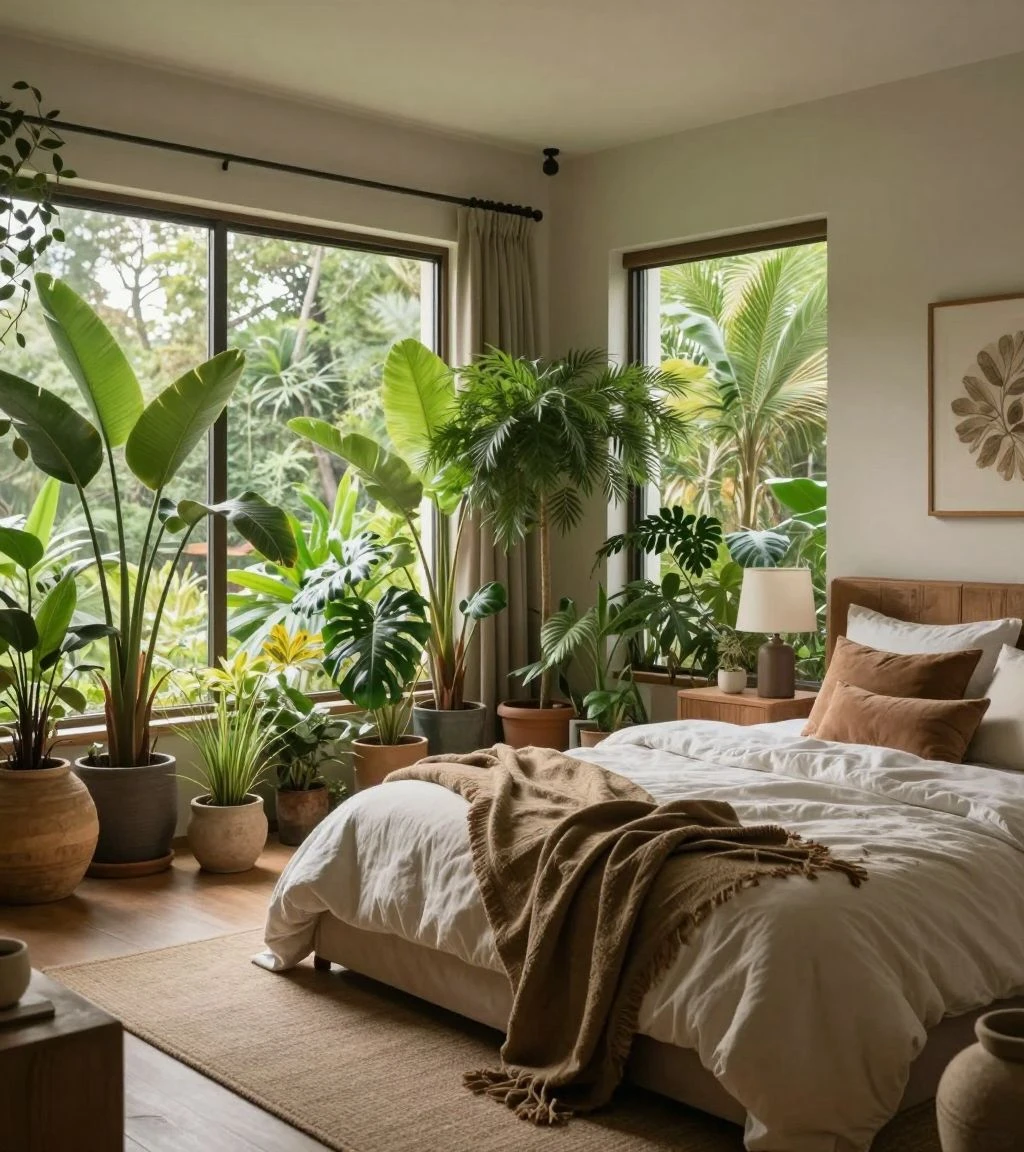
Biophilic design is a design trend that focuses on incorporating natural elements into indoor spaces. The benefits of biophilic design include improved air quality, reduced stress levels, and enhanced mood. To incorporate natural elements into bedroom layouts, you can use plants, natural light, and organic materials such as wood or stone. Examples of biophilic bedroom designs that promote wellness include using a living wall, incorporating natural textiles, or adding a skylight to bring in natural light.
5. Open Concept Bedrooms: Breaking Down Walls
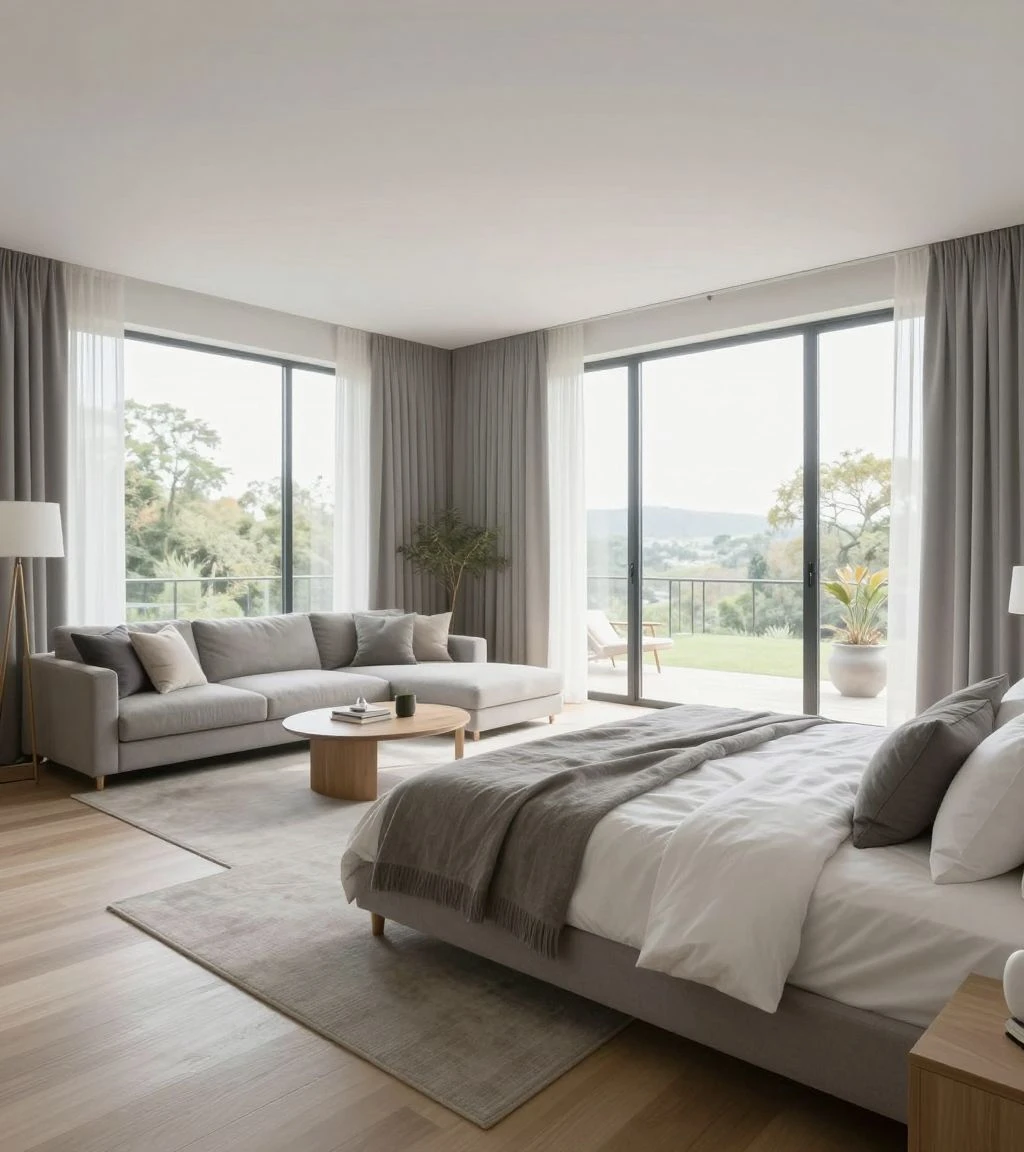
Open concept living is a design trend that is becoming increasingly popular in bedroom design. The idea is to break down walls and create a sense of openness and flow. Open layouts can make a bedroom feel larger and more spacious, and can also provide more natural light. Design tips for creating an open concept bedroom include using a minimal number of walls, incorporating large windows, and selecting furniture that is low-profile and minimalist.
6. Zoning: Creating Functional Areas
Zoning is a design technique that involves creating different areas within a bedroom to serve specific purposes. The importance of zoning in bedroom layouts lies in its ability to create a sense of functionality and efficiency. Techniques for defining different areas within a bedroom include using rugs, lighting, and furniture to create separate zones. Examples of effective zoning in bedroom designs include creating a reading nook, a workspace, or a relaxation area.
7. Color Psychology: Choosing the Right Palette
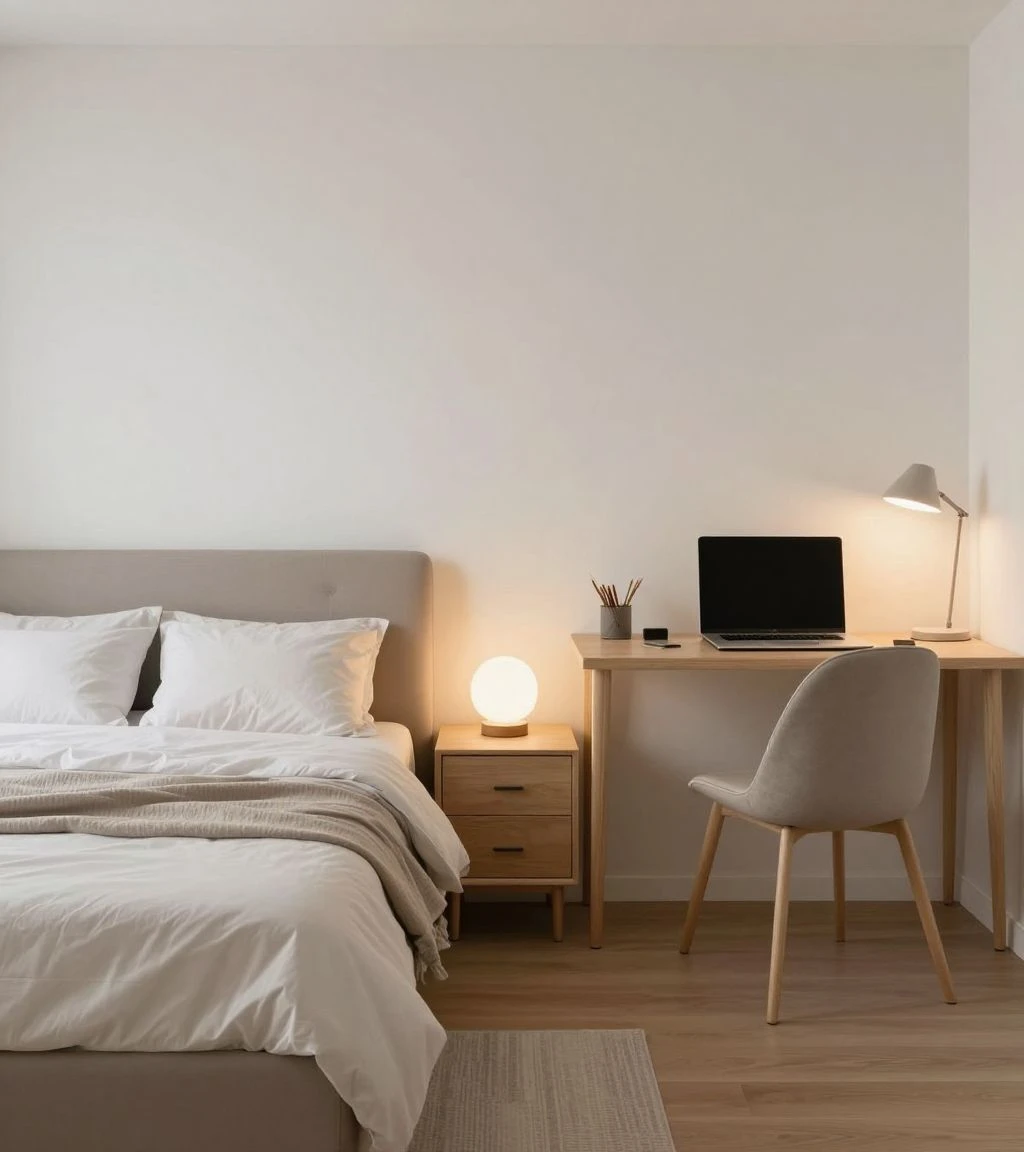
Color psychology is the study of how colors affect our mood and behavior. In bedroom design, color psychology plays a crucial role in creating a space that is relaxing and calming. To select colors for different bedroom layouts, you can consider the mood and atmosphere you want to create. Examples of color schemes that enhance bedroom functionality include using soft blues and greens to create a calming atmosphere, or using neutral tones to create a sense of serenity.
8. Sustainable Design: Eco-Friendly Layouts
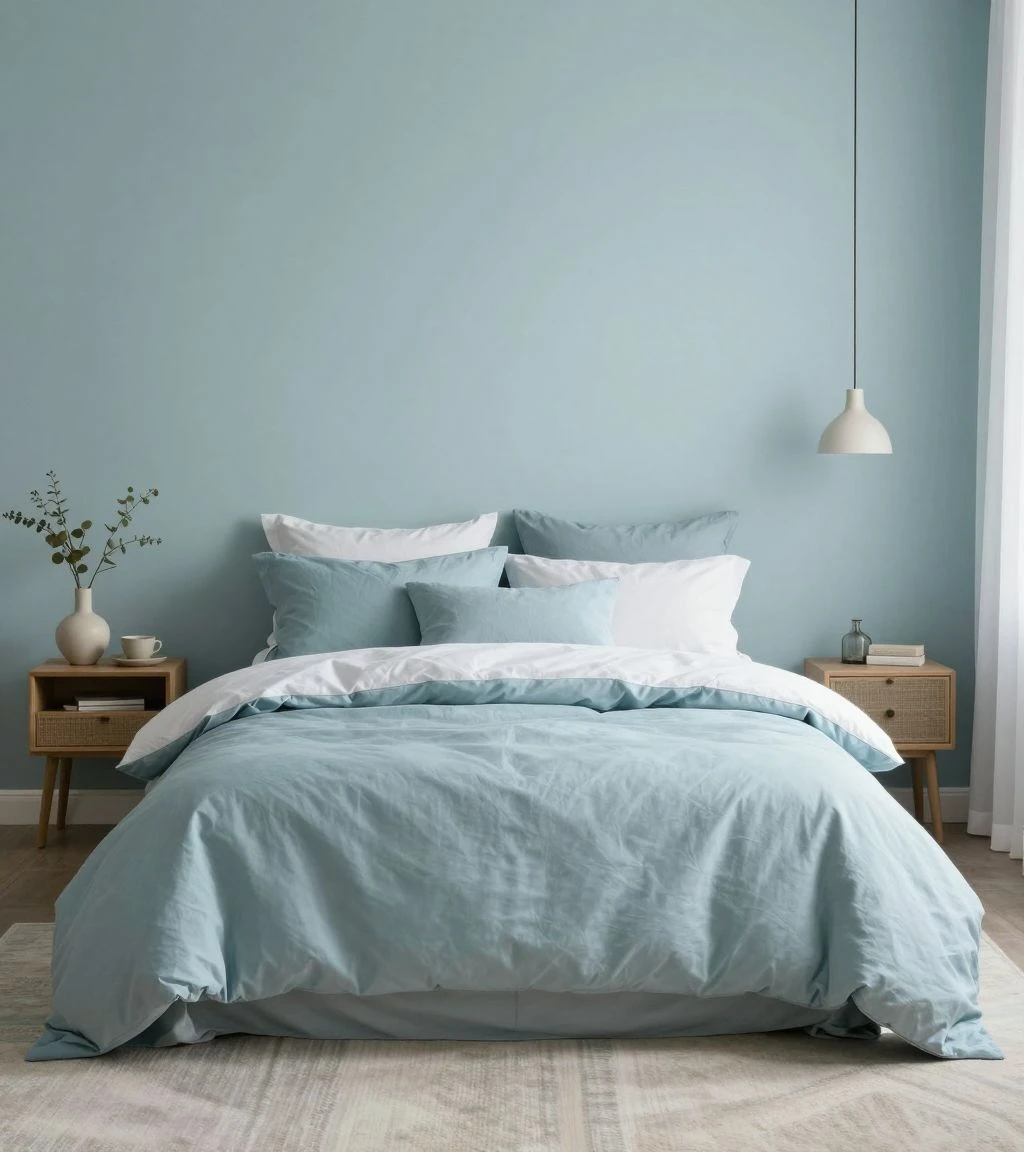
Sustainable design is becoming increasingly important in modern bedroom design. The importance of sustainability lies in its ability to reduce our environmental footprint and create a healthier living space. Tips for creating eco-friendly bedroom layouts include using eco-friendly materials, choosing energy-efficient lighting, and considering second-hand or upcycled furniture. Examples of sustainable materials and designs include using reclaimed wood, incorporating natural fibers, or selecting furniture made from recycled materials.
9. Personalization: Reflecting Your Style
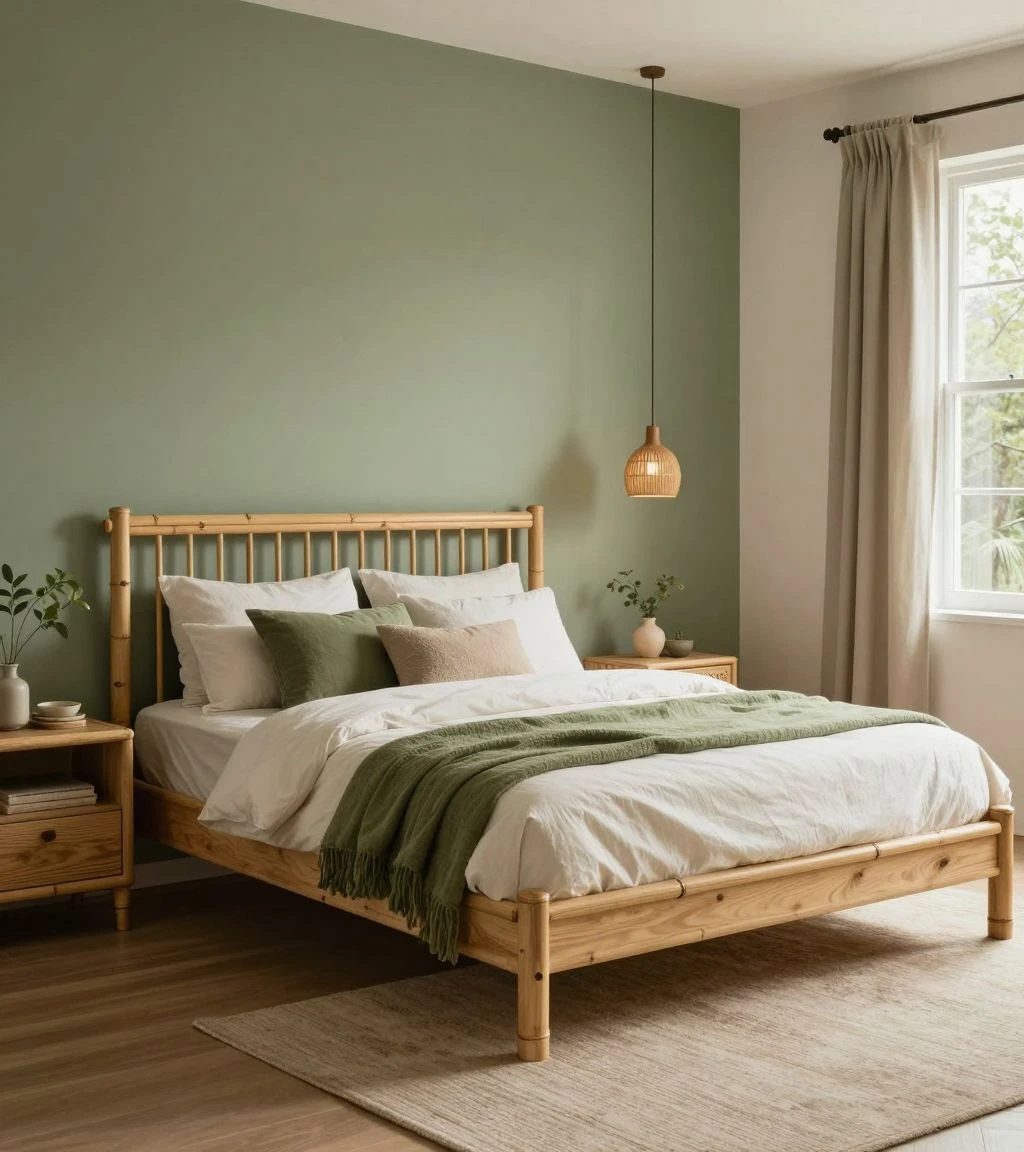
Personalization is a crucial aspect of bedroom design, as it allows you to reflect your personal style and create a space that is unique to you. The significance of personal touches in bedroom layouts lies in their ability to create a sense of warmth and character. To incorporate personal style into functional designs, you can use decorative pieces, artwork, or accessories that reflect your personality. Examples of personalized bedroom layouts include using family photos, incorporating heirlooms, or selecting furniture that reflects your personal taste.
10. Adaptive Layouts: Flexibility for Changing Needs
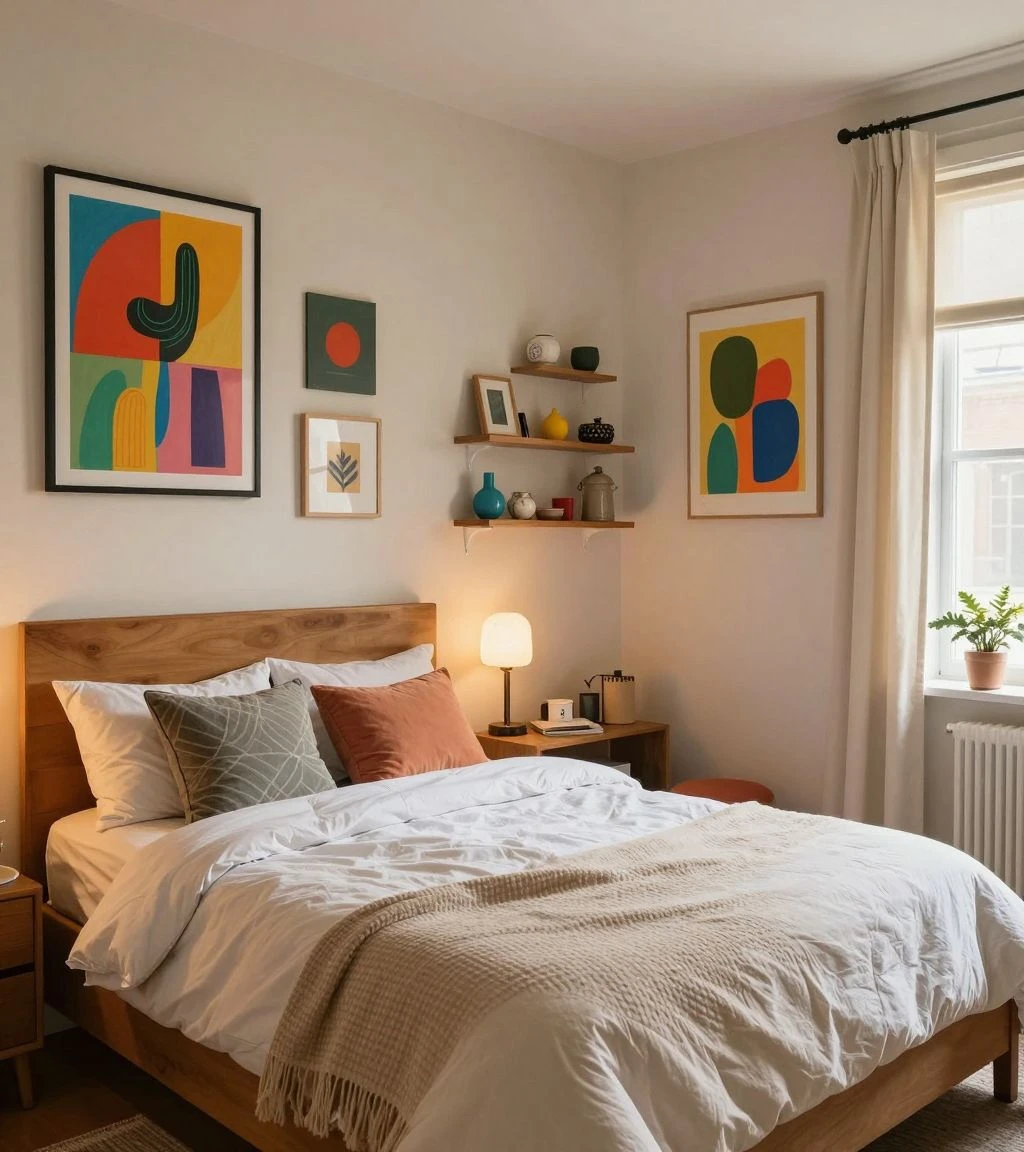
Adaptive layouts are designs that can evolve with your changing needs. The importance of adaptive layouts lies in their ability to create a space that is flexible and functional. To design a bedroom that can adapt to your changing needs, you can use multi-functional furniture, incorporate storage solutions, and select layouts that can be easily rearranged. Case studies of adaptive bedroom designs include using a murphy bed to create a guest room, or incorporating a storage ottoman to provide additional seating and storage.
11. Lighting: The Key to Ambiance
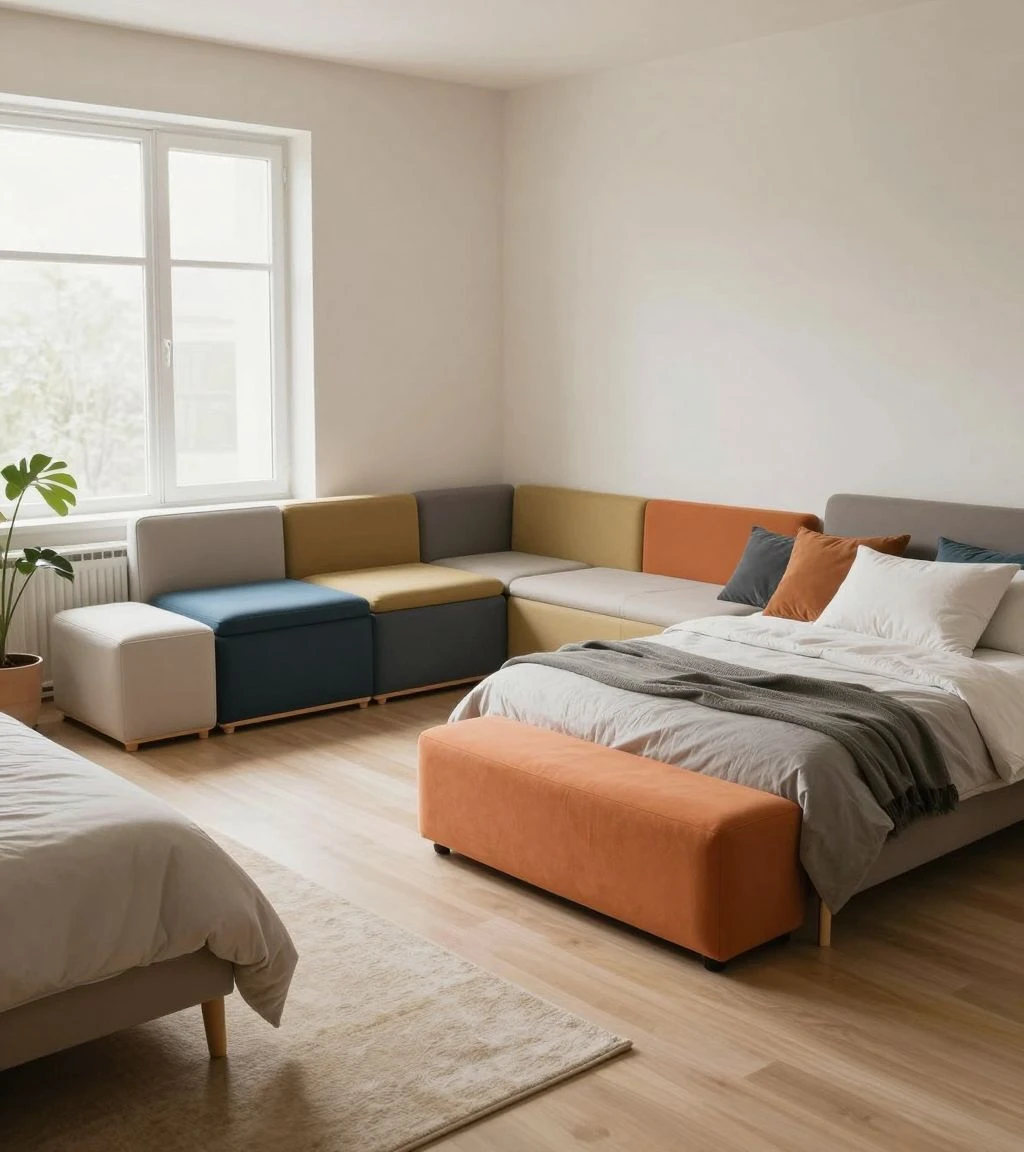
Lighting is a crucial element in bedroom design, as it can create a sense of ambiance and mood. The importance of lighting in bedroom design lies in its ability to regulate our circadian rhythms and create a sense of comfort. Different types of lighting, such as table lamps, floor lamps, or string lights, can create different effects on the layout. Examples of effective lighting strategies in bedroom layouts include using dimmable lighting to create a relaxing atmosphere, or incorporating natural light to create a sense of warmth and comfort.
12. Future Trends: What to Expect Beyond 2026
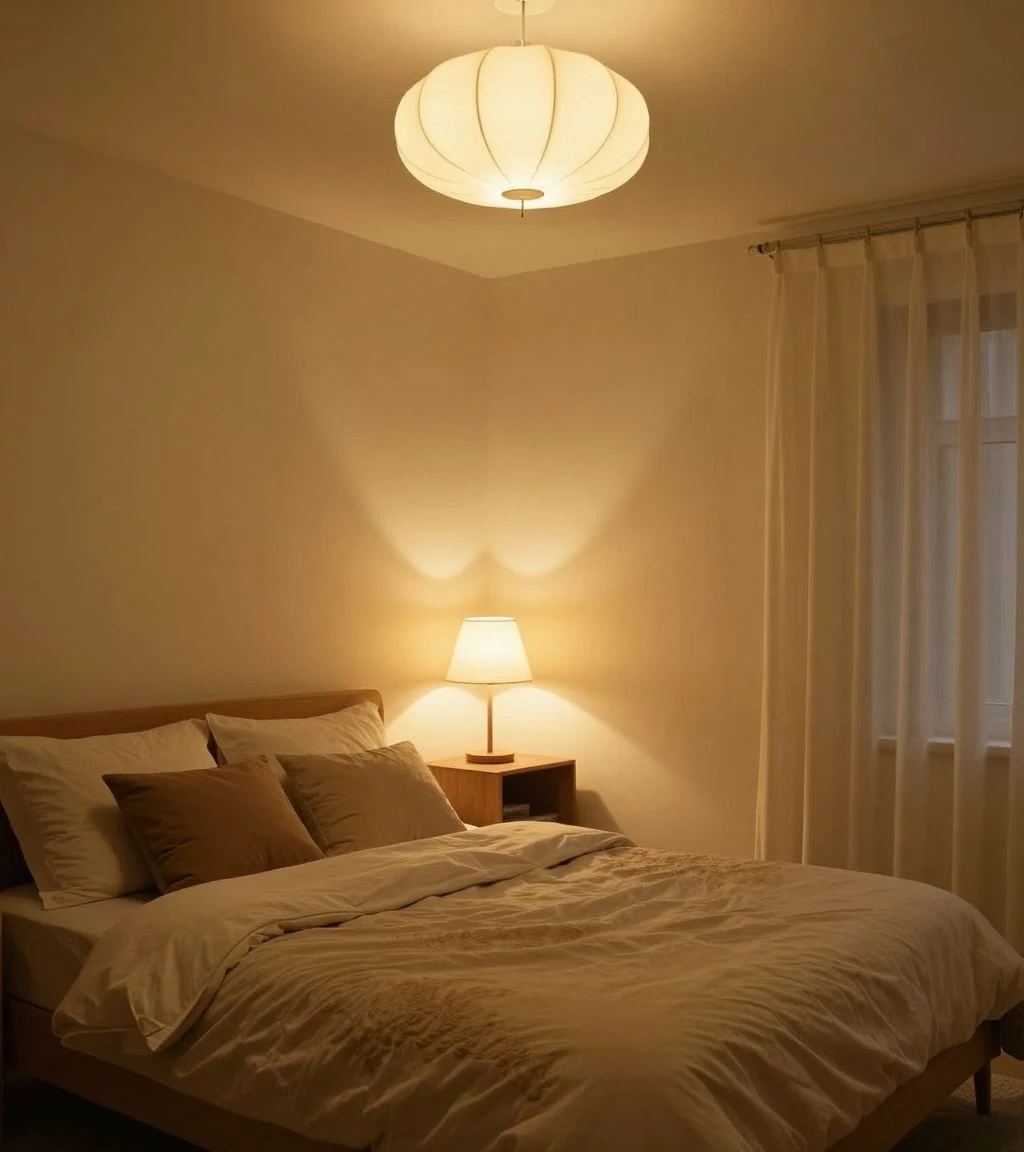
As we look to the future, it’s essential to consider the emerging trends and technologies that will shape bedroom design. Predictions for future bedroom design trends include the increased use of smart technology, the incorporation of biophilic design elements, and the emphasis on sustainability and eco-friendliness. To stay ahead of the curve in bedroom layouts, you can experiment with new materials, incorporate emerging design trends, and consider the latest technologies and innovations. Inspiration from emerging design movements, such as minimalist maximalism or neo-eclecticism, can also provide a starting point for creating a unique and functional bedroom design.
Conclusion
Creating a bedroom you genuinely love is about so much more than just pushing furniture around. It’s about building a space that works for you—one that feels comfortable, looks beautiful, and genuinely supports the way you live. We’ve covered a lot of ground in this article, from peaceful minimalist retreats to tech-forward smart rooms, and from nature-inspired biophilic spaces to sustainable, eco-conscious designs. The exciting part? You don’t have to choose just one approach. Mix and match what resonates with you. Maybe you love the calm of minimalism but want the practicality of smart lighting, or perhaps you’re drawn to biophilic elements paired with sustainable materials. As we move into 2026 and beyond, the best bedroom designs are the ones that adapt and evolve with you. So go ahead and experiment. Try different layouts, play with colors and textures, and don’t hesitate to blend old ideas with new ones. Your bedroom should be a reflection of you—functional, comfortable, and genuinely worth the time and care you invest in it.