Small spaces don’t have to feel cramped, cluttered, or uninspiring. With the right design strategies and creative thinking, even the tiniest rooms can be transformed into beautiful, functional, and stylish sanctuaries. Whether you’re working with a shoebox apartment, a modest bedroom, or a compact bathroom, the power of thoughtful redesign can completely revolutionize how you live and feel in your space. This comprehensive guide showcases seven incredible before and after transformations that prove size isn’t everything when it comes to creating your dream home.
The statistics are compelling: over 30% of renters live in small apartments, and many homeowners are downsizing to minimize their environmental footprint and financial burden. Yet many people struggle with the limitations of tiny rooms, unsure how to balance aesthetics with practicality. This guide will walk you through seven stunning makeovers that demonstrate proven design principles, smart furniture choices, and creative solutions that maximize every square inch. By the end, you’ll have actionable inspiration and concrete strategies to transform your own tiny space into something extraordinary.
1. Understanding the Challenges of Tiny Rooms
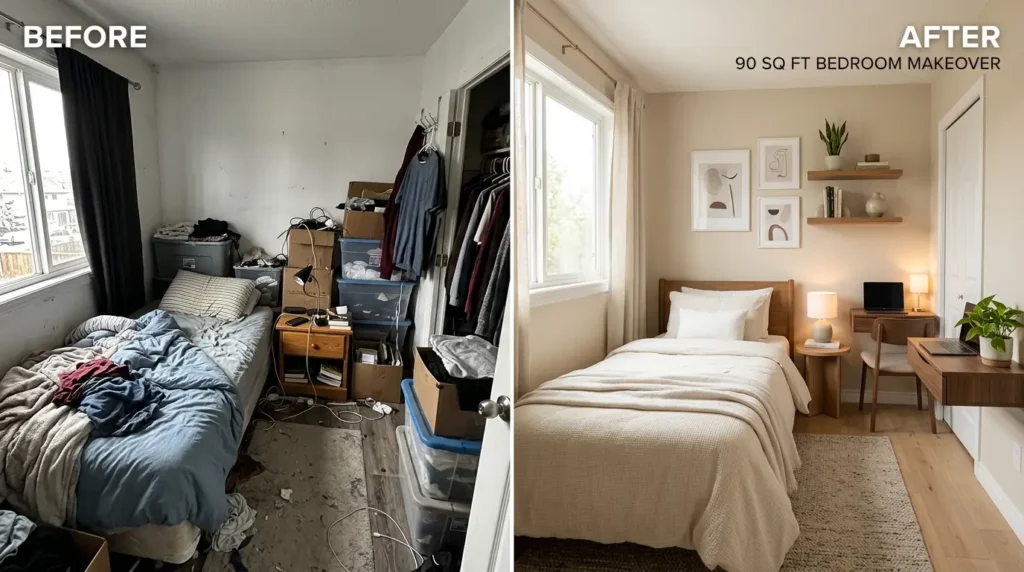
Tiny rooms present a unique set of design challenges that go far beyond simply fitting furniture into a limited space. Understanding these obstacles is the first step toward creating effective solutions that enhance both functionality and aesthetics.
The most obvious challenge is spatial limitation itself. When you’re working with a room that’s under 100 square feet, every piece of furniture and decoration must earn its place. Poor planning can quickly lead to a space that feels suffocating, where movement is restricted and the room serves its intended purpose only marginally well. This is why many people living in tiny spaces report feeling stressed or anxious in their own homes—the environment literally constrains them.
Lighting is another critical challenge in small rooms. Many tiny spaces, particularly in older buildings or basement apartments, lack adequate natural light. Insufficient lighting makes a room feel even smaller and more enclosed, exacerbating the sense of claustrophobia. Additionally, poor air circulation in compact spaces can make rooms feel stuffy and unwelcoming, affecting both mood and health.
Storage and clutter management present continuous struggles in tiny rooms. Without proper organizational systems, even a few personal items can overwhelm a small space, creating visual chaos that negates any aesthetic improvements you’ve made. This is why multifunctional furniture—pieces that serve double or triple purposes—has become essential in small space design.
The psychological impact of living in a tiny room shouldn’t be underestimated. Research shows that crowded environments can increase stress levels, reduce productivity, and negatively affect mental health. However, thoughtfully designed small spaces can actually have the opposite effect, creating cozy, intimate environments that feel intentional and comfortable rather than restrictive.
Vertical space utilization is crucial for tiny rooms. Most people focus on floor space when decorating, but in small rooms, going vertical is often the key to maximizing storage and creating visual interest. Wall-mounted shelves, tall bookcases, and high-hanging artwork draw the eye upward, making ceilings feel higher and rooms feel more spacious.
The solution to these challenges lies in strategic planning, intentional design choices, and furniture that works harder for you. By addressing each challenge systematically, you can create a tiny room that feels spacious, organized, and perfectly suited to your lifestyle.
2. Planning Your Tiny Room Makeover
A successful tiny room makeover begins long before you purchase a single piece of furniture or paint a wall. The planning phase is absolutely critical and determines whether your makeover will be a triumph or a disappointment.
Setting a Budget
Start by establishing a realistic budget for your project. Tiny room makeovers can range from under $500 for primarily DIY and thrift store finds to several thousand dollars for professional design and high-end furnishings. Be honest about what you can afford and prioritize your spending. Generally, it’s wise to invest more in items you use daily or sit on regularly—like a bed or sofa—and less on decorative elements that can be changed seasonally.
Create a detailed budget spreadsheet that accounts for furniture, paint, flooring (if applicable), lighting, textiles, and accessories. Include a contingency buffer of 10-15% for unexpected expenses or discoveries once you begin the project. This prevents you from overextending yourself and allows flexibility if you discover structural issues or find a better-quality alternative than you originally planned for.
Measuring and Floor Planning
Take precise measurements of your room, including length, width, ceiling height, and the location of windows, doors, outlets, and architectural features like closets or alcoves. This information is crucial for planning furniture placement and ensuring that pieces you purchase will actually fit through your doorways and in your space. 11 Master Bathroom Ideas That Feel Luxurious 2026.
Create a to-scale floor plan using graph paper or a digital tool like RoomSketcher or Floorplanner. This allows you to visualize different furniture arrangements before making any purchases. Test multiple configurations to find the arrangement that maximizes both functionality and flow. Consider traffic patterns—people should be able to move through your space without obstacles.
Choosing a Cohesive Color Scheme and Style
Color profoundly affects how we perceive space. Light, neutral colors reflect light and make rooms feel larger and airier, while dark colors absorb light and can make spaces feel smaller and more enclosed. For tiny rooms, consider using light colors for walls and larger furniture pieces, reserving bolder colors for accents and accessories that you can easily change.
Your design style should reflect your personality while serving the practical needs of small-space living. Modern minimalist design often works well in tiny rooms because it emphasizes function and reduces visual clutter. However, you can successfully execute virtually any style—bohemian, industrial, traditional, or eclectic—as long as you’re intentional about not crowding the space.
Establish a cohesive color palette early in the planning process. Choose 2-3 primary colors for walls and larger furniture, and 2-3 accent colors for textiles, artwork, and accessories. This creates visual harmony and prevents the room from feeling chaotic, even when you’re incorporating diverse pieces and styles.
3. Transforming a Tiny Bedroom: A Case Study
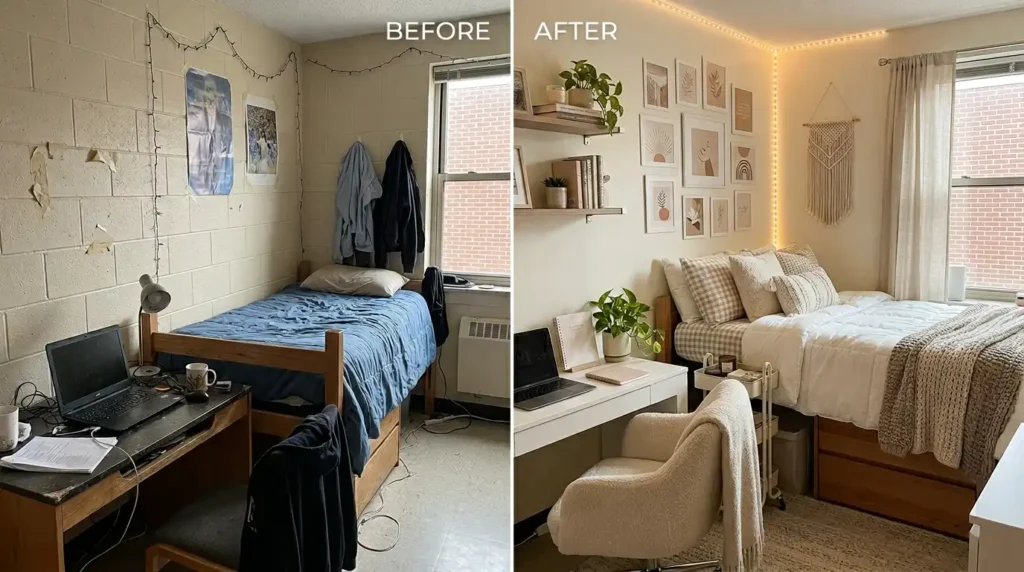
The bedroom makeover demonstrates dramatic transformation possibilities through strategic choices about bed placement, storage solutions, and thoughtful decorating.
The Before Scenario
The original tiny bedroom was approximately 90 square feet with a single window, a small closet, and an awkwardly placed radiator. The bedroom contained a full-size bed positioned in the center of the room, leaving only narrow walkways on either side. A large, heavy dresser occupied wall space, and the room had no additional storage beyond the cramped closet. The walls were painted a medium beige that felt dingy and dull, and the single overhead light provided harsh, unflattering illumination. The room felt claustrophobic and uninviting, with no personality or visual interest.
Key Transformation Changes
The makeover began with positioning the bed against the longest wall, maximizing floor space and creating a more open feeling when entering the room. The team replaced the bulky dresser with a slim, wall-mounted storage system with drawers and shelves that provided significantly more storage while consuming far less visual and physical space.
Fresh paint in soft white with subtle gray undertones brightened the entire room and made the ceiling feel higher. Layered lighting was introduced: a dimmable ceiling fixture for general illumination, a reading light mounted above the bed for functional lighting, and accent lighting under the floating shelves to create ambiance. These lighting choices made the room feel warmer and more inviting than the previous harsh overhead light.
Furniture and Décor Updates
The bed was dressed in neutral, high-quality bedding with additional comfort through throw pillows that echoed the room’s color palette. A slim nightstand was mounted directly to the wall, eliminating the need for a floor-standing piece. Floating shelves above the bed provided decorative display space and functional storage for books and personal items without creating visual heaviness.
A large mirror was positioned on the wall opposite the window to reflect natural light and create an illusion of additional space. Window treatments were updated to soft, sheer curtains in white that allowed light to filter through while maintaining privacy, and a simple roller shade provided blackout capability for better sleep. Artwork was kept minimal and focused, with two pieces creating a curated gallery effect rather than cluttering the walls.
The final result was a bedroom that felt 20% larger than its actual square footage, more organized, and genuinely inviting. The transformation demonstrated that even the smallest bedroom can be both beautiful and functional with thoughtful planning.
4. Revamping a Small Living Room: Space-Saving Solutions
Living rooms in tiny homes require careful planning because they must serve multiple purposes—relaxation, entertaining, and often working from home. Home Decor 2026.
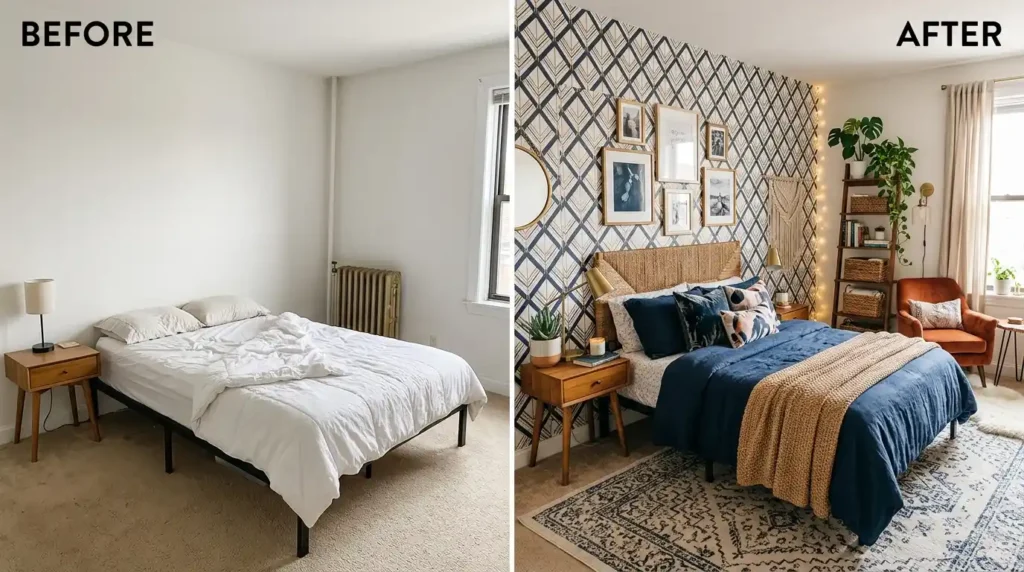
Light Colors and Mirrors: Creating Visual Expansion
The small living room transformation showcased the powerful effect of light colors and strategic mirror placement. The original room had darker walls that absorbed light and made the space feel cave-like. By painting the walls in soft, warm white and the trim in bright white, the team immediately expanded the perceived size of the space.
Two large mirrors were positioned strategically: one reflected the window and natural light, and another reflected artwork, creating depth and visual interest. These mirrors made the room feel significantly larger and brighter while also creating more dynamic visual interest than the space originally possessed.
Modular and Open Shelving
Rather than traditional, solid furniture pieces, the redesign incorporated modular, open shelving units. Open shelving creates visual lightness because you can see through and around the pieces, preventing that blocked, cramped feeling that closed cabinets create. The shelving was arranged with intentional spacing—items were not crammed in but rather thoughtfully displayed with breathing room between pieces.
A compact, sectional sofa with a chaise was chosen over a traditional sofa and separate chair. This configuration provided seating for multiple people while consuming less overall floor space. The sofa was upholstered in a light gray that coordinated with the wall color, creating visual flow and making the furniture feel less obtrusive.
A slim console table behind the sofa served as additional surface space and storage without taking up much room. Multi-functional coffee tables with hidden storage provided functionality and helped maintain the organized appearance essential to small-space living.
Light and Airy Textiles
Lightweight, breathable curtains in ivory allowed maximum light while maintaining privacy. Area rugs in light colors with subtle patterns defined the seating area without creating visual heaviness. Throw pillows and blankets in coordinating colors added comfort and personalization without visual clutter.
The transformed living room felt open, light, and inviting—a space where guests would want to linger and where the residents felt comfortable relaxing.
5. Tiny Kitchen Makeover: Maximizing Functionality
Kitchen makeovers in tiny spaces require genius-level problem-solving because kitchens must accommodate appliances, storage for food and cookware, and workspace for meal preparation.
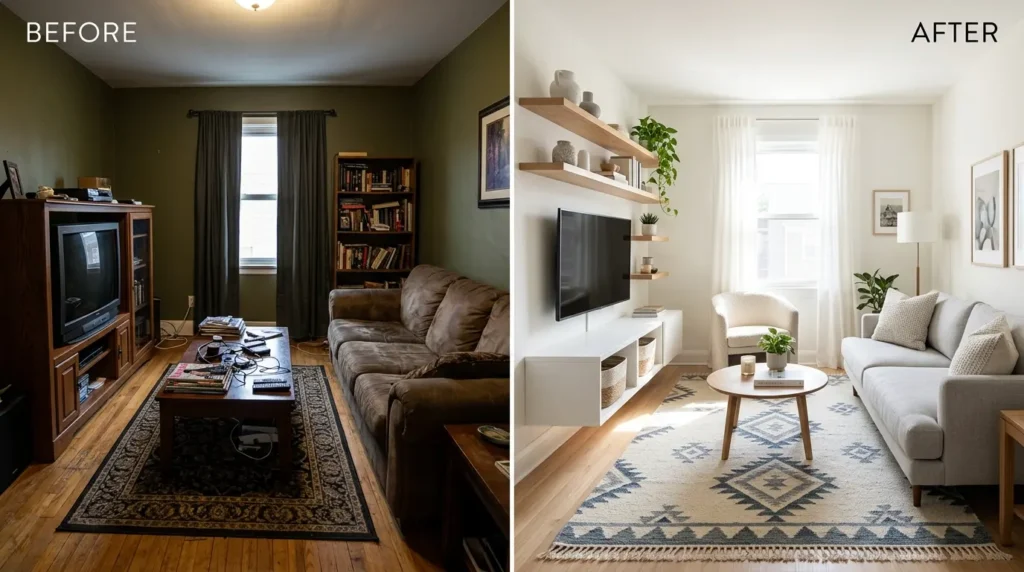
Layout and Workflow Optimization
The original tiny kitchen had poor workflow, with the refrigerator positioned far from the sink and stove, creating an inefficient work triangle. The makeover began by analyzing and optimizing the kitchen triangle—the imaginary line connecting the sink, stove, and refrigerator. By repositioning a small mobile island, the new layout created a more efficient workflow that made cooking easier and safer.
Under-cabinet lighting was installed to brighten the workspace and create the illusion of height and depth. The overhead cabinet lighting made the entire kitchen feel more spacious and modern, transforming the atmosphere from dim and cramped to bright and contemporary.
Smart Storage Solutions
The redesigned kitchen incorporated multiple clever storage strategies that maximized capacity without making the space feel cluttered. Vertical storage was emphasized with tall cabinets reaching the ceiling, utilizing otherwise wasted space above standard-height cabinetry. Pull-out shelves and rotating corner cabinets eliminated wasted corner space and made items accessible without rummaging.
Magnetic strips on the walls held knives and metal utensils, creating functional storage that also added visual interest. Hanging racks suspended from the ceiling held pots, pans, and frequently used cooking tools, keeping them accessible while clearing cabinet and counter space. Open shelving with decorative baskets provided storage that looked intentional and stylish rather than chaotic.
Color, Lighting, and Ambiance
The kitchen was painted in soft white with one accent wall in subtle sage green that added personality without overwhelming the compact space. Light-colored countertops and backsplash reflected light and prevented the space from feeling enclosed. Modern, streamlined hardware was chosen over ornate knobs and pulls, maintaining clean lines throughout.
Layered lighting—including under-cabinet task lighting, overhead fixtures, and a small pendant light over a compact eating bar—made the kitchen functional at all times of day and created appealing ambiance. The lighting transformed the kitchen from a purely utilitarian space into one where people actually wanted to spend time.
The final result was a kitchen that cooked like a much larger space, with excellent storage, efficient workflow, and surprising charm.
6. Small Bathroom Transformations: Creating a Spa-Like Retreat
Bathrooms are often the tiniest rooms in a home, yet they require careful attention to be both functional and pleasant spaces. A bathroom makeover can have an outsized impact on daily quality of life.
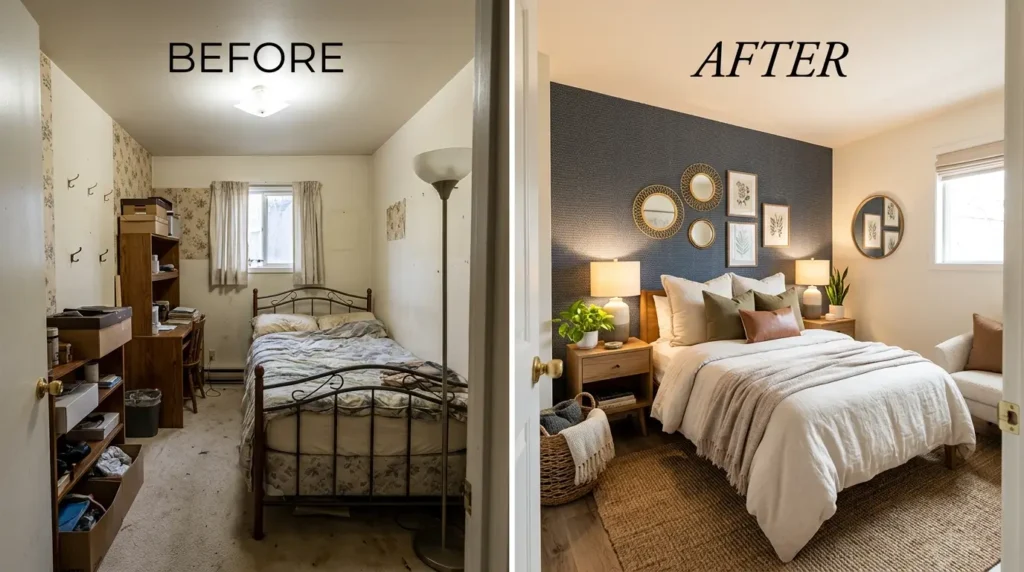
Fixture and Finish Selection
The bathroom transformation began with selecting compact but luxurious fixtures appropriate for a small space. A corner sink with a pedestal base consumed less visual space than a traditional vanity while providing adequate functionality. A sleek, wall-mounted toilet with an elongated bowl provided comfort without taking up additional space.
The shower setup was optimized by choosing a frameless glass enclosure that allowed sightlines through the bathroom, making it feel larger. A rainfall showerhead and body spray were mounted in the existing space, creating a spa-like experience without requiring additional room. Polished chrome fixtures reflected light and added visual interest.
Tile and Paint Strategy
Large-format tiles were chosen for the shower and floor because fewer grout lines create visual simplification and make spaces feel more expansive. The tiles were in soft neutral colors—pale gray with hints of blue—that coordinated with the overall design while feeling spa-like and calming.
The walls were painted in soft white with the same blue undertones as the tiles, creating a cohesive, serene palette. One accent wall behind the toilet featured a subtle pattern that added interest without visual weight. The paint color made the room feel larger and cleaner, essential for small bathrooms.
Storage and Organizational Solutions
Vertical storage was absolutely critical in this tiny bathroom. Floating shelves above the toilet provided attractive storage for towels, bath products, and decorative items. Recessed shelving in the shower walls held shampoo and bath products without consuming floor or counter space. Under-sink storage incorporated pull-out drawers and organizers that maximized every inch of cabinet space.
A tall, narrow linen cabinet was positioned beside the toilet to provide storage without blocking sightlines. The cabinet’s vertical orientation made efficient use of limited floor space while providing ample storage capacity.
Lighting and Ambiance
Proper lighting is crucial in small bathrooms because it affects both functionality and the sense of spaciousness. Vanity lighting on both sides of the mirror eliminated harsh shadows and provided flattering illumination. An additional recessed light in the ceiling provided overall illumination without fixtures that would visually clutter the compact space.
A dimmer switch allowed adjustment of lighting intensity, creating bright, functional light for morning routines and softer, spa-like lighting for evening relaxation. A small waterproof speaker provided entertainment for showers and baths, adding a luxury touch that elevated the entire experience.
The transformed bathroom became a true spa-like retreat—a place of calm and rejuvenation rather than mere functional necessity.
7. Tiny Office Makeover: Designing a Productive Workspace
As remote work becomes increasingly common, many people must carve out functional office spaces from tiny bedrooms, corners, or closets. A well-designed tiny office boosts productivity and makes work feel intentional and professional.
Ergonomic Furniture and Desk Setup
The tiny office transformation prioritized ergonomics despite space constraints. A slim, wall-mounted desk was positioned to maximize legroom and ensure proper posture at the keyboard. The desk was deep enough to accommodate a monitor at appropriate distance and an external keyboard and mouse, crucial for preventing repetitive strain injuries even in a small workspace.
A ergonomic office chair was selected for its compact footprint and support. Despite being small enough for the tight space, it provided adequate lumbar support and height adjustability. The chair was upholstered in a neutral color that coordinated with the office décor, ensuring that even functional furniture contributed to the overall aesthetic.
Proper desk height and monitor positioning were carefully calculated to prevent neck, shoulder, and back strain. A document holder was positioned at monitor height to reduce awkward head turning when referencing materials. These ergonomic considerations meant that despite the space being tiny, eight-hour workdays would be comfortable and healthy.
Organization Systems and Storage
Vertical shelving above the desk provided storage for files, office supplies, and reference materials without consuming floor or counter space. Drawer dividers and desktop organizers kept supplies accessible and visible, reducing time spent searching for items and maintaining mental clarity. A filing cabinet was slim and tall, positioned against the wall to minimize its footprint while providing necessary document storage.
Cable management was carefully organized to prevent the visual clutter that cables create in small spaces. Clips and channels guided cables along walls and furniture, keeping them hidden and preventing the office from looking chaotic and unprofessional.
Lighting and Atmospheric Design
Task lighting was positioned to illuminate the work surface without creating glare on the monitor, reducing eye strain during long workdays. An adjustable desk lamp provided focused light where needed, while ambient lighting from the ceiling ensured the entire small space felt welcoming rather than cave-like.
The walls were painted in soft, neutral tones that felt professional and calm. A single piece of motivational artwork or a vision board was displayed at eye level, providing daily inspiration. The color palette remained consistent with the adjacent living space, ensuring that the office area felt like an intentional part of the home rather than a cramped afterthought.
Plants brought life and improved air quality in the