White Living Room Ideas for a Fresh 2026 Look: Modern Design Trends and Inspirations
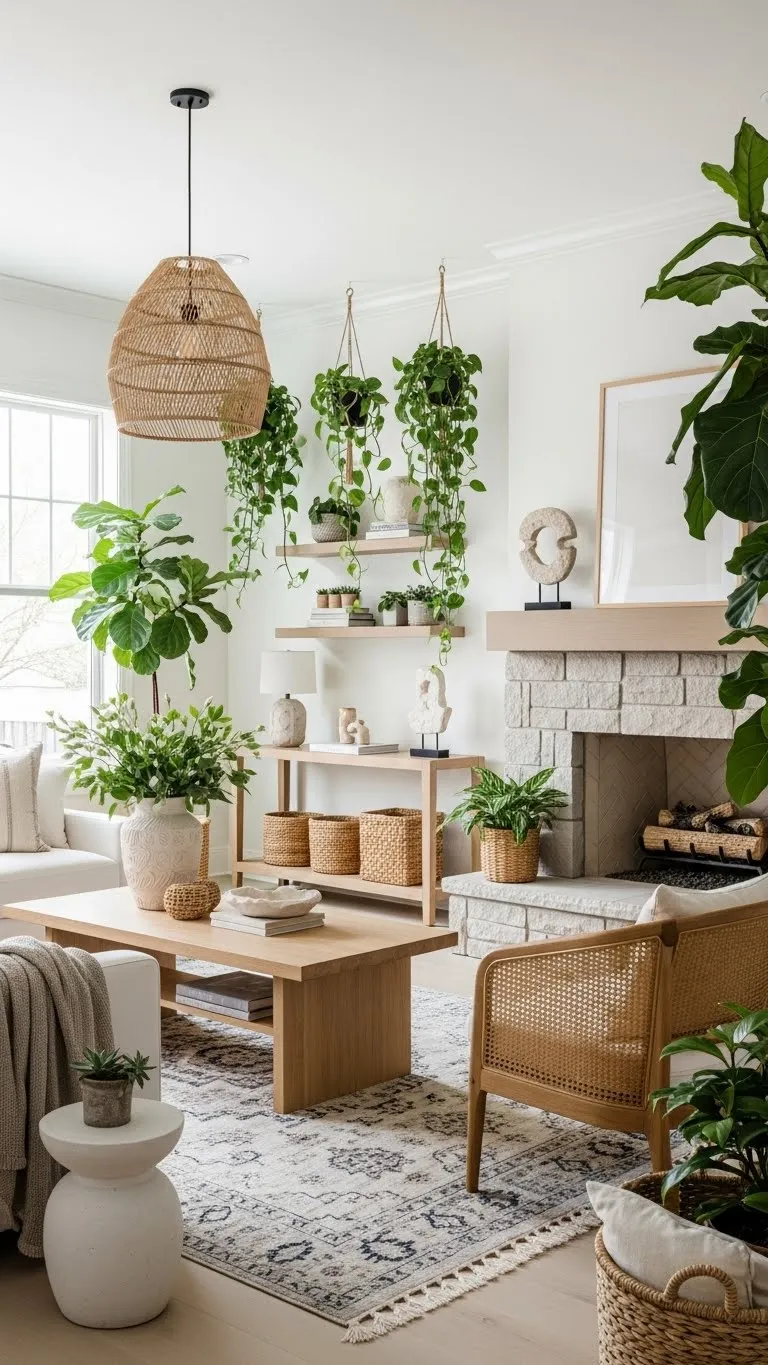
A white living room isn’t just about painting walls. It’s about layering textures, choosing the right shades of white, and incorporating elements that prevent the space from feeling cold or sterile. The key to success lies in balancing minimalist principles with comfort and personality. By selecting appropriate furniture, lighting, and decorative accents, you transform a simple white palette into a sophisticated sanctuary.
Embrace Warm White Tones for Maximum Comfort
Not all whites are created equal. Warm whites, including off-whites, cream, and ivory, create a cozy atmosphere that feels welcoming. These softer shades work beautifully in living rooms where you want people to relax and spend time together. Warm whites reflect light differently than bright, cool whites, making the space feel naturally inviting rather than clinical.
Consider using warm white as your base color for walls while incorporating slight variations in adjacent spaces. This creates visual interest without introducing new colors. Pair warm white walls with wooden elements in natural tones to enhance the warmth of your living room. The combination of soft white and natural wood creates a harmonious environment that feels both modern and grounded.
Layer Different Textures and Materials
Texture is your best friend when designing a white living room. varied materials prevents the space from feeling flat or monotonous. Think about mixing linen, leather, wool, cotton, and natural fibers throughout your room. These materials add depth and visual richness to your white palette.
A textured area rug grounds the seating arrangement while introducing subtle contrast. Upholstered furniture in varied fabrics creates interest without compromising the white aesthetic. Woven wall hangings, knitted throw blankets, and cushions with different textile finishes all contribute to a layered, sophisticated look. Natural materials like jute and rattan add warmth and organic appeal to your white living room design.
Incorporate Strategic Lighting Solutions
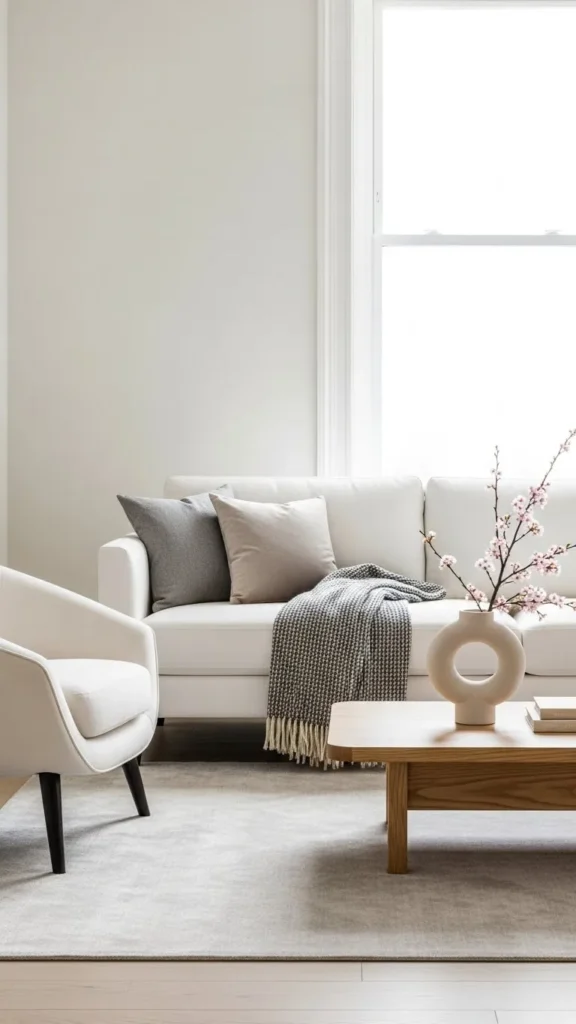
Lighting dramatically transforms how your white living room feels throughout the day. Natural light streaming through windows showcases the purity of your white palette while creating dynamic shadows. During evening hours, layered artificial lighting prevents the space from becoming too stark or cold.
Install dimmer switches to control brightness levels based on your mood and activities. Combine overhead fixtures with table lamps and floor lamps positioned in different areas. Modern pendant lights, sculptural floor lamps, and statement lighting fixtures add both functionality and visual interest. Warm-toned bulbs (around 2700K) complement white spaces better than cool, bright whites, creating an atmosphere that feels both clean and comfortable.
Add Subtle Color Through Accessories
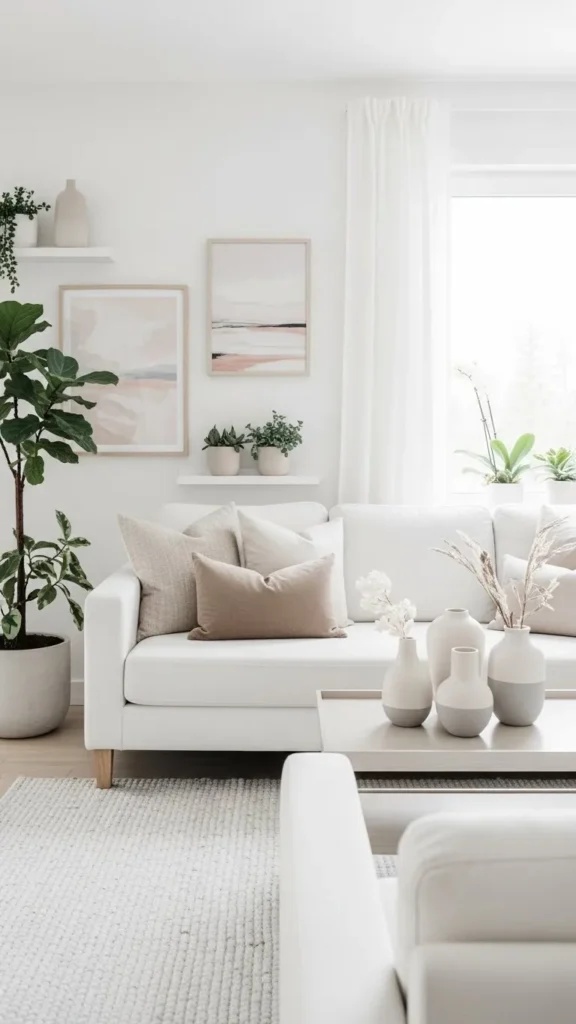
While maintaining a white foundation, you can introduce gentle color variations through carefully chosen accessories. Neutral tones like beige, taupe, and soft gray complement white beautifully without overwhelming the space. These colors provide subtle contrast while maintaining the clean aesthetic.
Plants bring natural green tones into your living room, adding life and improving air quality. Artwork and decorative pieces in muted colors add personality without creating visual chaos. Earth tones in pottery, wooden frames, and woven baskets enhance the organic feel of your white living room. This restrained approach to color allows your design to feel intentional and cohesive.
Choose Minimalist Furniture with Personality
Select furniture pieces that combine clean lines with personality. Modern white living room furniture often features simple geometric shapes, but they can still showcase interesting details and craftsmanship. A white sofa becomes a focal point when it features unique leg design, curved arms, or distinctive stitching patterns.
Mix different furniture heights and scales to create visual interest. A low-profile media console balances a tall bookshelf. Pairing an oversized armchair with a sleek side table creates dynamic contrast. Each piece should serve a purpose while contributing to the overall aesthetic. This approach prevents your white living room from feeling empty or sparse.
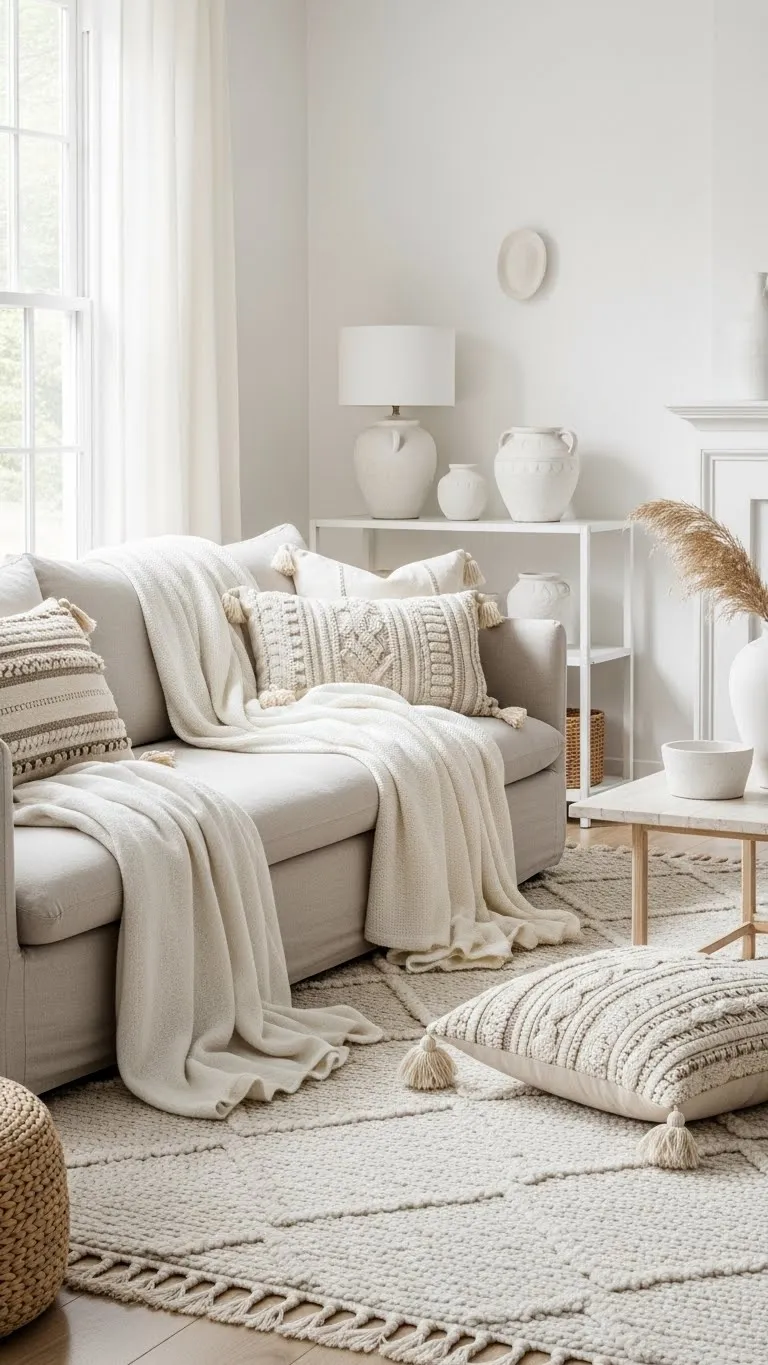
Incorporate Statement Pieces and Focal Points
Every white living room benefits from at least one eye-catching element that draws attention and creates conversation. This focal point prevents the space from feeling bland while giving the room character and depth. The trick is choosing statement pieces that complement rather than contradict your white aesthetic.
Consider a sculptural white fireplace, an architectural feature wall with white shiplap or paneling, or a dramatic artwork with bold lines. A unique bookshelf design, an interesting window treatment with subtle texture, or a contemporary light fixture can serve as your focal point. These elements add sophistication and ensure your white living room feels intentional rather than accidentally empty.
Use Window Treatments to Add Dimension
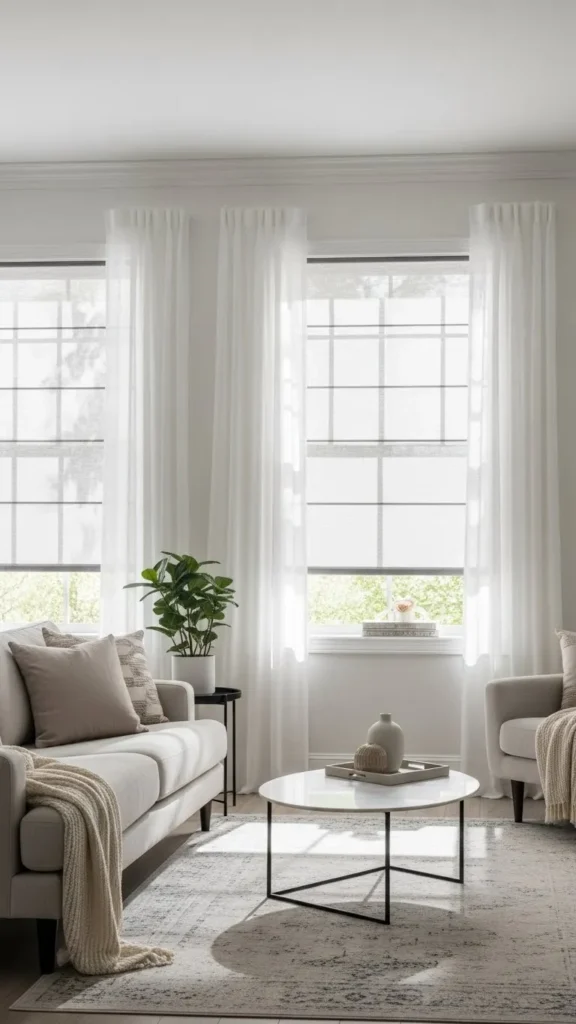
Windows are essential components of white living room design. Sheer white curtains allow natural light to flow while maintaining privacy and softness. Layering sheer panels with textured roller shades or roman blinds adds functionality and visual interest. Consider materials like linen, cotton blends, or woven fabrics that catch light beautifully.
Modern window treatments in 2026 emphasize clean lines and simplicity. Avoid heavy, ornate styles in favor of streamlined options. Motorized blinds offer contemporary appeal while providing convenient control. Neutral-toned hardware completes the look without distracting from your overall design scheme.
Create Cozy Zones Within Your Space
White living rooms work best when they’re divided into functional zones. A reading corner with a comfortable chair, ottoman, and side table creates an intimate space. The seating area centered around a coffee table encourages conversation. An entertainment zone near your television feels purposeful and organized.
Rugs, lighting, and furniture arrangement define these zones without adding visual clutter. This approach makes your white living room feel organized and welcoming while maintaining the clean aesthetic. Each zone serves a specific purpose, making the overall space feel thoughtful and well-designed.
Balance White with Natural Elements
natural elements into your white living room adds warmth and authenticity. Live plants, wooden furniture, stone accessories, and natural fiber pieces ground your space. These organic elements prevent your room from feeling sterile or overly designed.
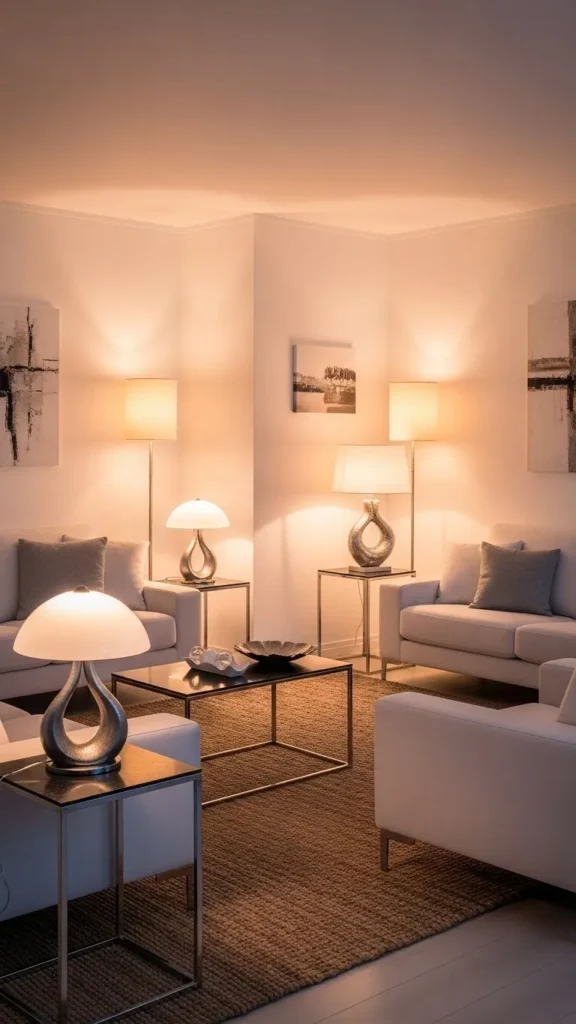
Creating the Perfect Neutral Foundation with White Walls and Minimalist Furniture
White walls form the foundation of any minimalist living room. They reflect light naturally, making your space feel larger and brighter than it actually is. This simple choice eliminates visual clutter and allows your furniture pieces to become the focal points. The beauty of white lies in its versatility—you can pair it with nearly any accent color or texture without overwhelming the space.
Understanding the Power of White in Modern Interior Design
White has long been favored by interior designers for its ability to create calm and clarity. When you paint your living room walls white, you’re not just choosing a color—you’re establishing a backdrop for intentional living. This neutral foundation allows you to change your décor seasonally or whenever you feel inspired, without needing to repaint walls.
The key to making white walls work is understanding undertones. Some whites lean toward cool, blue tones, while others embrace warm, cream tones. Observing how sunlight hits your walls at different times of day helps you choose the perfect shade. A white that feels too sterile in artificial light might look warm and inviting when natural sunlight floods the room.
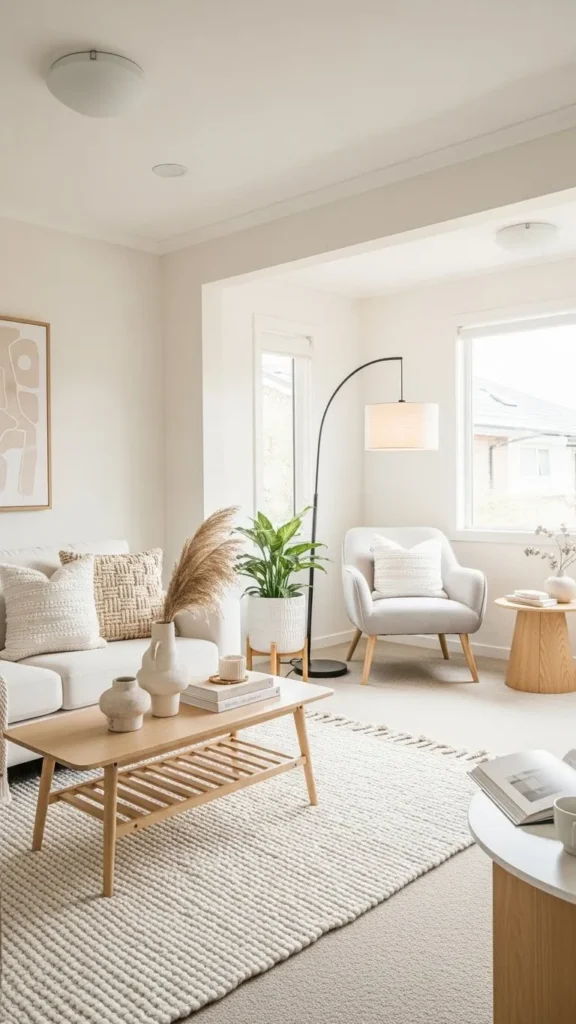
Selecting Minimalist Furniture That Complements Your Space
Minimalist furniture focuses on function and form without unnecessary embellishment. Your pieces should be well-crafted, intentional, and serve a clear purpose. Think clean lines, geometric shapes, and furniture that doesn’t overwhelm the room visually.
A white sofa naturally complements white walls while maintaining the minimalist aesthetic. Look for designs with straight arms and simple upholstery rather than ornate details. Pair this with a wooden coffee table in natural tones to introduce warmth. Low-profile tables and chairs create a sense of openness that makes the space feel larger and more peaceful.
Storage solutions should disappear into the background. Wall-mounted shelving in white or natural wood keeps items organized without creating visual bulk. These pieces allow you to display select items—perhaps a few plants, books, or art pieces—while maintaining the clean aesthetic you’re creating.
Layering Textures for Visual Interest and Comfort
White on white might sound monotonous, but texture tells a different story. When you introduce different materials and textures, your room gains depth and sophistication. Consider layering a chunky knit throw over your sofa or adding a jute area rug that defines your seating area.
Linen, cotton, wool, and natural fibers create visual warmth while maintaining the minimalist principle. A textured white throw pillow catches light differently than a smooth one, creating subtle dimension. These tactile elements invite people to sit, touch, and truly inhabit the space rather than just looking at it.
Natural Light and Window Treatments
Windows become architectural features in a white room. Instead of heavy drapes, consider lightweight linen curtains that filter light beautifully while maintaining privacy. Sheer panels in white or cream allow sunlight to flood your space, reducing the need for artificial lighting during daytime hours.
This approach not only saves energy but also supports your overall minimalist philosophy. Each element you keep serves a purpose, and window treatments are no exception. Simple roller shades or roman shades in white provide a clean look when you need privacy without adding visual clutter.
Adding Warmth with Natural Materials
While your walls and primary furniture remain white and neutral, natural materials inject life into the room. Wood in its natural state—whether from a side table, shelf, or accent wall—brings organic warmth that prevents the space from feeling cold or sterile.
Plants thrive in this minimalist environment. Green foliage against white walls creates striking visual contrast and improves air quality. Choose plants with simple, architectural forms rather than sprawling vines. A single large plant in a corner serves as both décor and natural air purifier.
Choosing Accent Colors Thoughtfully
Your white foundation allows you to introduce color without commitment. Soft grays, warm beiges, or muted pastels work beautifully in this setting. Art pieces become your primary way to introduce color—a single painting or photograph can anchor the entire room.
Keep accent colors minimal and intentional. A few throw pillows in a soft sage green or warm taupe provide comfort without chaos. The rule here is simplicity: if it doesn’t add genuine value or joy, it doesn’t belong in your minimalist white living room.
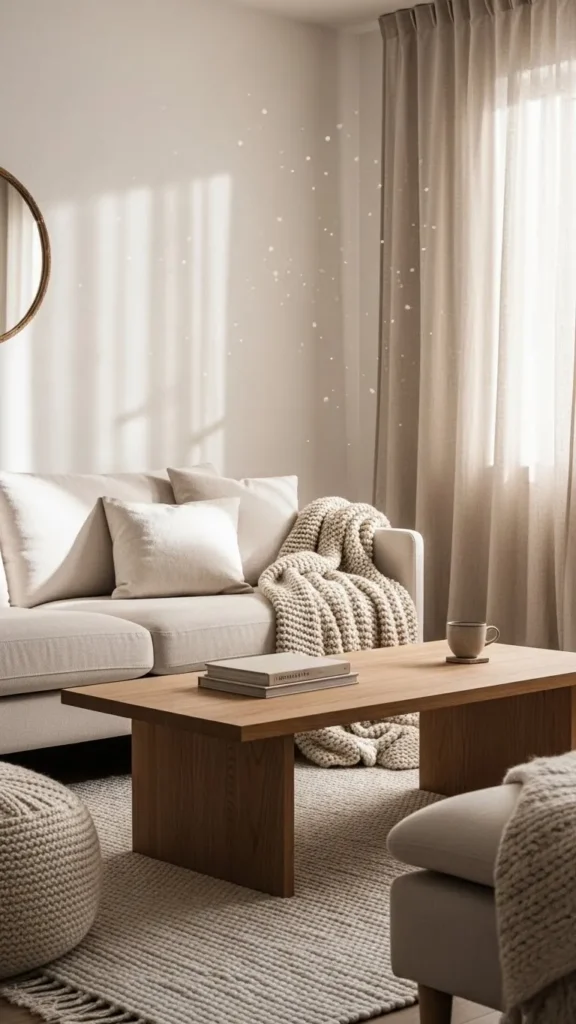
Lighting That Enhances Your Neutral Foundation
Lighting deserves serious consideration in your white living room. During daylight, natural light becomes your primary asset. When evening arrives, you need thoughtful artificial lighting that supports your minimalist aesthetic.
Floor lamps with clean lines and simple shades in white or natural materials work beautifully. Avoid ornate chandeliers or heavily decorated fixtures. Instead, seek out designs that celebrate form and function. Dimmer switches give you flexibility to adjust the mood throughout the day.
Creating a Space That Feels Both Calm and Welcoming
The ultimate goal of a white, minimalist living room is creating an environment where you actually want to spend time. This isn’t about perfection or untouchability—it’s about surrounding yourself with pieces you love and that serve your daily life.
When you remove clutter and choose items intentionally, your room becomes a reflection of what matters to you. This approach to living room design resonates with anyone seeking clarity, peace, and beauty in their home. Your white foundation with minimalist furniture creates the perfect backdrop for a lifestyle focused on quality over quantity, intentionality over excess, and timeless style over fleeting trends.
Layering Textures and Tones: How to Add Depth to Your All-White Living Space
White comes in many varieties, and recognizing these subtle differences is your first step toward creating dimension. Cream whites feel warmer and more inviting, while cool whites with blue or gray undertones offer a more contemporary edge. Ivory and off-white shades sit somewhere in the middle, providing versatility for different design styles. By mixing these various white tones throughout your living room, you establish contrast without introducing bold colors. This approach works perfectly for those who love minimalist design but don’t want their space to feel cold or sterile.
Understanding White Tone Variations
When planning your white living room, start by identifying which undertones appeal to you. Warm whites work beautifully with natural wood elements and create a cozy atmosphere. If you prefer a more modern aesthetic, cool whites pair well with metal accents and contemporary furnishings. You might use a warm cream as your base wall color, then layer in cooler whites through your furniture and accessories. This mixed approach adds complexity and keeps visitors engaged as they notice the subtle shifts in tone throughout the room.
Paint swatches are your best friend when selecting white tones. Hold them up against your flooring, existing furniture, and in different lighting conditions. What appears white in a paint store might look yellowish or grayish once it’s on your walls. Spend time observing how natural light and artificial lighting affect your chosen shades throughout the day.
Texture as Your Design Foundation
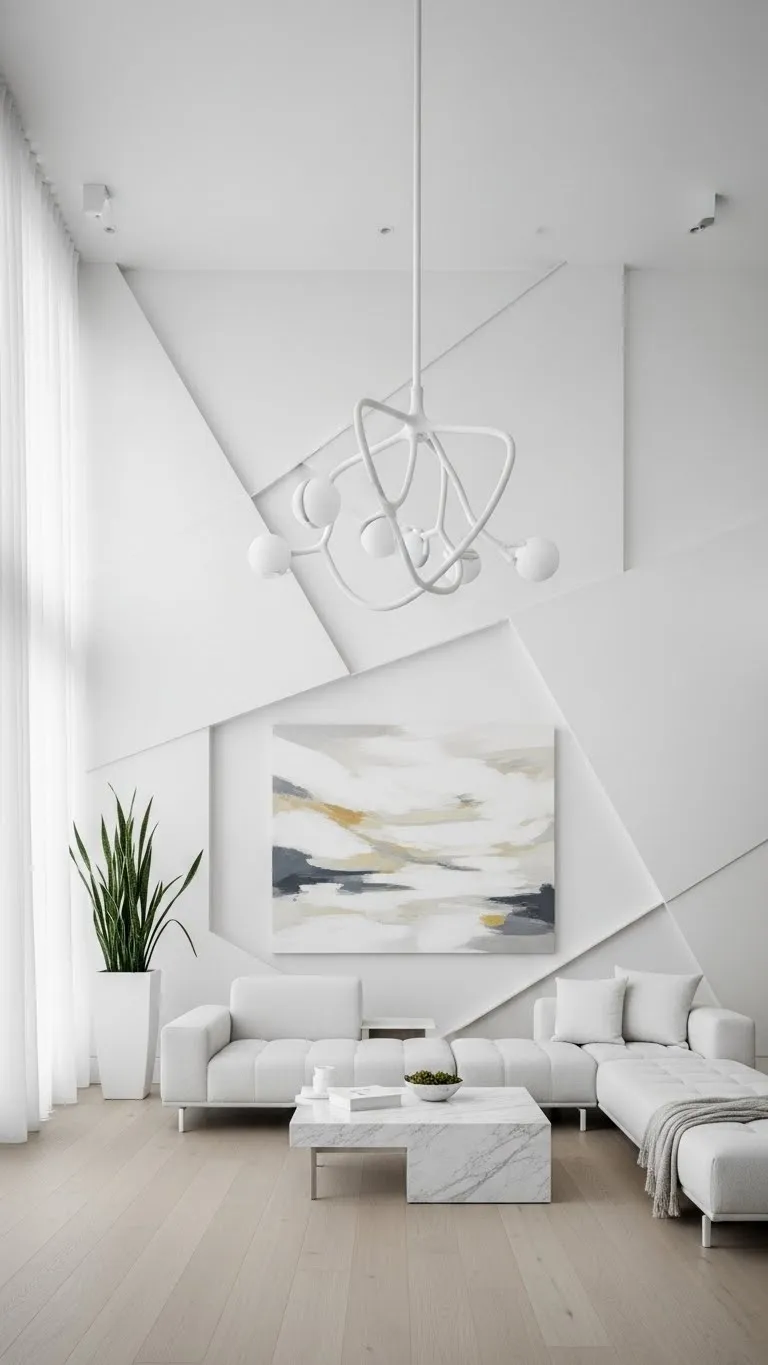
Textures are what truly bring a white living room to life. Without varied textures, an all-white space can feel flat and uninviting. Consider incorporating materials like linen, wool, cotton, leather, and natural fibers. A chunky knit throw blanket draped over a smooth leather sofa creates immediate visual interest. Textured wallpaper, whether it features a subtle pattern or three-dimensional elements, adds another layer of sophistication.
Your flooring choices significantly impact the overall texture profile. A soft cream carpet offers warmth and comfort, while a white shag rug adds playfulness. Natural wood floors in a light finish provide contrast and grounding. Stone or concrete with a matte finish brings an industrial edge. Each choice contributes to the tactile experience of your space.
Furniture Selection and Material Mix
When choosing furniture for your white living room, think about how different materials interact. A velvet sofa feels completely different from a linen sectional, even if both are white. Pairing a soft, cushioned sofa with a sleek glass coffee table and a natural wood side table creates balance. Metal frames and legs add contemporary flair without introducing new colors.
Consider mixing high-gloss finishes with matte surfaces. A white lacquered cabinet next to a matte ceramic accent piece creates visual rhythm. Upholstered pieces in varying fabrics—from smooth to nubbly—engage the eye and make your room feel curated rather than matchy-matchy.
Layering with Window Treatments
Windows are an excellent opportunity to add textural depth. Sheer white curtains allow light to filter through while adding softness. Layer these with heavier linen or cotton drapes in a slightly different white tone. Roman shades in a textured fabric provide another dimension and offer practical light control. Combining multiple window treatments creates a rich, designer-quality appearance.
Accents and Accessories
White accessories might seem redundant, but they’re essential for adding depth. White ceramic vases, woven baskets, and sculptural objects each bring their own texture to shelving and side tables. Books with white spines or cream-colored pages visible create subtle visual breaks. Greenery in white planters adds organic texture and softness to hard surfaces.
Don’t overlook the power of lighting fixtures themselves. A white pendant light with an industrial design differs dramatically from a soft, fabric-covered lampshade. These elements work together to create the comprehensive white living room design you’re seeking for 2026.
Creating Balance in Your Space
The most successful white living rooms maintain balance between different textural elements. If you choose a heavily textured wall treatment, keep your furniture pieces simpler. When furniture is ornate or heavily textured, use cleaner wall finishes. This interplay prevents your room from feeling too busy while ensuring it never feels empty or cold.
Layering textures and tones in a white living room requires thoughtfulness and attention to detail, but the result is a sophisticated space that feels both current and timeless. By understanding how different whites interact and strategically introducing varied materials, you create a living room that’s visually interesting, comfortable, and perfectly suited for modern living in 2026.
Lighting Solutions and Accessories That Transform White Living Rooms Into Warm Sanctuaries
When you’re designing a white living room for 2026, lighting becomes your most powerful tool. Natural light plays a crucial role in how white spaces feel throughout the day. Large windows, glass doors, and skylights allow daylight to flood in, creating brightness and airiness. But natural light changes constantly, so you need artificial lighting solutions that work equally well during evening hours and cloudy days.
Understanding Warm Light Temperature
The color temperature of your bulbs dramatically affects how warm or cool your white living room feels. Light measured in Kelvin (K) ranges from warm to cool. Warm white bulbs fall between 2700K and 3000K, creating that cozy, inviting glow you want in a living room. Cool white bulbs, typically 4000K and above, feel clinical and sterile. For white living rooms, stick with warm white bulbs throughout your space to avoid that cold, unwelcoming atmosphere.
LED bulbs have revolutionized home lighting because they offer flexibility and energy efficiency. You can find warm white LEDs that mimic traditional incandescent warmth without the heat or high electricity costs. Smart bulbs let you adjust color temperature and brightness through your phone, perfect for adapting your white living room to different times of day and various moods.
Layering Your Lighting Design
Professional designers always emphasize layered lighting, and this approach works especially well in white spaces. Layering means combining multiple light sources at different heights and intensities. This creates depth, prevents harsh shadows, and makes your white living room feel more inviting.
Start with ambient lighting, which provides overall illumination for your entire room. This might be overhead fixtures, recessed lights, or ceiling-mounted options. Next, add task lighting for specific activities like reading or working. Table lamps beside your sofa, reading lights near chairs, and desk lamps serve this purpose. incorporate accent lighting to highlight architectural features or artwork. Wall sconces, picture lights, or uplighting draw attention to specific elements and add visual interest.
Selecting the Right Fixtures and Accessories
Your light fixtures contribute significantly to your white living room’s warmth. Metal finishes like brass, copper, and gold create warmer vibes than chrome or stainless steel. Fabric lampshades soften light, while bare bulbs or clear glass shades feel more industrial. Consider fixtures with warm metal accents combined with linen or linen-blend shades for an ideal balance.
Accessories work alongside lighting to enhance warmth. Textured throw blankets in cream, beige, or soft gray add tactile comfort and visual softness. Area rugs define spaces while introducing subtle color and texture. Wooden furniture pieces, whether side tables or shelving units, bring natural warmth that pure white cannot provide alone.
Decorative accessories amplify your lighting’s effectiveness. Glass vases catch and reflect light, while candles (both real and LED) create intimate ambiance. Mirrors strategically placed opposite light sources bounce light around your white living room, making it feel brighter and more spacious. Artwork with frames in warm metals or natural wood breaks up white walls and adds character.
Creating Ambient Warmth with Accessories
Beyond lighting, accessories transform white living rooms into warm sanctuaries. Cushions in warm neutral tones make white furniture more inviting. Layering cushions in cream, ivory, taupe, and warm gray creates visual interest without abandoning the white theme. Natural fibers like linen, cotton, and wool feel warmer than synthetic materials.
Indoor plants bring life and warmth to white spaces. Green foliage contrasts beautifully against white walls while adding oxygen and improving air quality. Potted plants in ceramic or terracotta planters introduce warm earth tones that complement your white aesthetic.
Window treatments significantly impact both light quality and warmth. Sheer white curtains diffuse harsh natural light while maintaining brightness. Layering sheers with heavier linen drapes in warm white or cream provides flexibility and elegance. Natural fiber curtains feel warmer and more organic than synthetic options.
Strategic Placement for Maximum Impact
Where you place lights and accessories matters as much as what you choose. Position table lamps at different heights around your white living room to create visual balance and ensure adequate light coverage. Wall sconces flanking a fireplace or artwork add symmetry and focus. Pendant lights above a console table create a feature while providing functional light.
Temperature variation in your white living room prevents monotony. If you use warm white lighting in your living area, consider slightly warmer tones in adjacent spaces. This gradual transition feels more natural than sudden changes.
Investing time in selecting appropriate lighting solutions and complementary accessories transforms your white living room into a space that looks fresh for 2026 while feeling genuinely warm and welcoming. The key is balancing brightness with softness, choosing warm-toned fixtures and accessories, and layering multiple light sources. This approach gives you a modern white living room that doesn’t sacrifice comfort or personality for style.
Styling White Living Rooms for Every Lifestyle: From Families to Professionals
Understanding White Living Rooms for Different Needs
White living rooms have become increasingly popular because they adapt well to different lifestyles. For busy families, white spaces create an airy feeling that doesn’t show clutter. For professionals working from home, white backgrounds help maintain focus and create a calm atmosphere. For those who love entertaining, white serves as the perfect neutral canvas for decorating with accent colors and personal touches. The beauty of white lies in its versatility—it works whether your life is chaotic or carefully controlled.
Creating Durable White Spaces for Active Families
If you have children and pets, durability matters just as much as style. Choose high-quality fabrics that withstand spills and frequent washing. Microfiber sofas in off-white or cream tones resist staining better than lighter whites. Layer washable throws and cushion covers that you can clean easily. Consider white-painted wood furniture instead of upholstered pieces in high-traffic areas. This approach lets you maintain that clean white aesthetic while protecting your investment. Practical living doesn’t mean sacrificing style—it means being smart about material choices.
Professional White Spaces for Home Offices
Working from home requires an environment that supports concentration and professional image. A white living room can double as a workspace by incorporating a sleek white desk or console table. Add soft overhead lighting and task lighting to reduce eye strain. Use warm whites and cream tones rather than stark, bright whites, which can feel sterile during long work hours. Include greenery with plants in white or neutral planters to bring life into your workspace. This combination creates a professional atmosphere that’s still inviting during video calls.
Layering Textures for Visual Interest
Pure white can sometimes feel flat or cold. Combat this by layering different textures throughout your room. Mix a smooth white leather sectional with a chunky knit throw blanket. Add a shaggy white rug underneath to create depth. Incorporate woven baskets, linen curtains, and a cable-knit pouf. Different textures create visual interest while keeping your color palette cohesive. This approach works beautifully whether your lifestyle is minimalist or maximalist—textures add personality without adding color chaos.
Warm Whites and Cream Tones
Not all whites are created equal. Bright whites can feel harsh and clinical, while warm whites and creams feel welcoming and lived-in. Consider ivory, off-white, vanilla, or cream as your base colors. These softer whites work well for families who want cleanliness without coldness. They’re also forgiving—they hide dust slightly better than pure white while maintaining that fresh, clean aesthetic. Warm whites pair beautifully with natural wood accents and warm-toned lighting.
Designing Functional Storage Solutions
White living rooms benefit from smart storage that keeps the space organized. Built-in shelving in white can display books, family photos, and decorative items without creating visual clutter. Storage ottomans and console tables with drawers hide blankets, remotes, and children’s toys. Floating shelves maintain that airy feeling while providing places to display treasured items. For families, storage is essential for maintaining the clean white aesthetic without sacrificing functionality. Choose pieces with clean lines that complement your white living room’s design.
Lighting Options for White Interiors
Lighting dramatically affects how white living rooms feel. Natural light streaming through windows enhances the brightness and airiness. For evenings and overcast days, layer your lighting with overhead fixtures, table lamps, and floor lamps. Warm-toned bulbs create a cozy atmosphere perfect for family time. Dimmer switches let you adjust brightness based on your mood and activities. Proper lighting makes your white living room feel welcoming rather than stark.
Adding Color Through Accessories
White serves as the perfect backdrop for adding personality through accessories. Use colorful throw pillows, artwork, and plants to introduce color without overwhelming the space. This approach works well for families who love changing their décor seasonally or professionals who want a calming base with pops of color. Accessories are easy to swap out, making your white living room flexible as your lifestyle changes.
Maintaining Your White Living Room
White spaces require regular maintenance to stay fresh. Regular vacuuming prevents dust buildup on light surfaces. Spot-clean furniture promptly when spills happen. Wash window treatments monthly to keep them bright. Use white or clear paint to touch up wall scuffs. For families, establishing simple cleaning routines keeps the white aesthetic looking intentional rather than neglected. A well-maintained white living room demonstrates that beautiful interiors and busy lifestyles absolutely can coexist.
Your white living room should reflect how you actually live, not how you wish you could live. Whether you’re managing a household full of activity or maintaining a peaceful professional environment, these white living room ideas provide the foundation for a space that’s both stunning and sustainable. Start with one or two ideas that speak to your lifestyle, then build from there. Your fresh 2026 white living room is within reach.
Conclusion
White living rooms have truly earned their place as a timeless design choice for 2026. Whether you’re drawn to the clean aesthetic of minimalist furniture or the cozy warmth that layered textures bring, creating the perfect white living space is absolutely within your reach.
The beauty of white living room ideas lies in their incredible flexibility. You can start with a neutral foundation that feels calm and spacious, then gradually build depth through different fabric textures, subtle tone variations, and thoughtfully chosen accessories. This approach lets you express your personal style without overwhelming the room.
Lighting plays a crucial role in bringing your white living room to life. Natural light combined with warm artificial lighting creates an inviting atmosphere that transforms a simple white space into a true sanctuary. The right accessories—from throw pillows to artwork—add character and warmth that makes the room feel lived-in and welcoming.
Your lifestyle should guide your design choices. Families with children benefit from durable, washable fabrics and practical layouts, while professionals might prefer sophisticated textures and statement pieces that reflect their refined taste. Every white living room design can be tailored specifically to how you live.
As you move forward with your white living room project, remember that this design trend isn’t about creating a sterile, cold space. Instead, it’s about building a peaceful retreat that works perfectly for your needs. Start with what resonates with you most—whether that’s texture, lighting, or accessories—and build from there.
Your white living room awaits. With these ideas and inspiration, you’re ready to create a fresh, beautiful space that you’ll love for years to come.