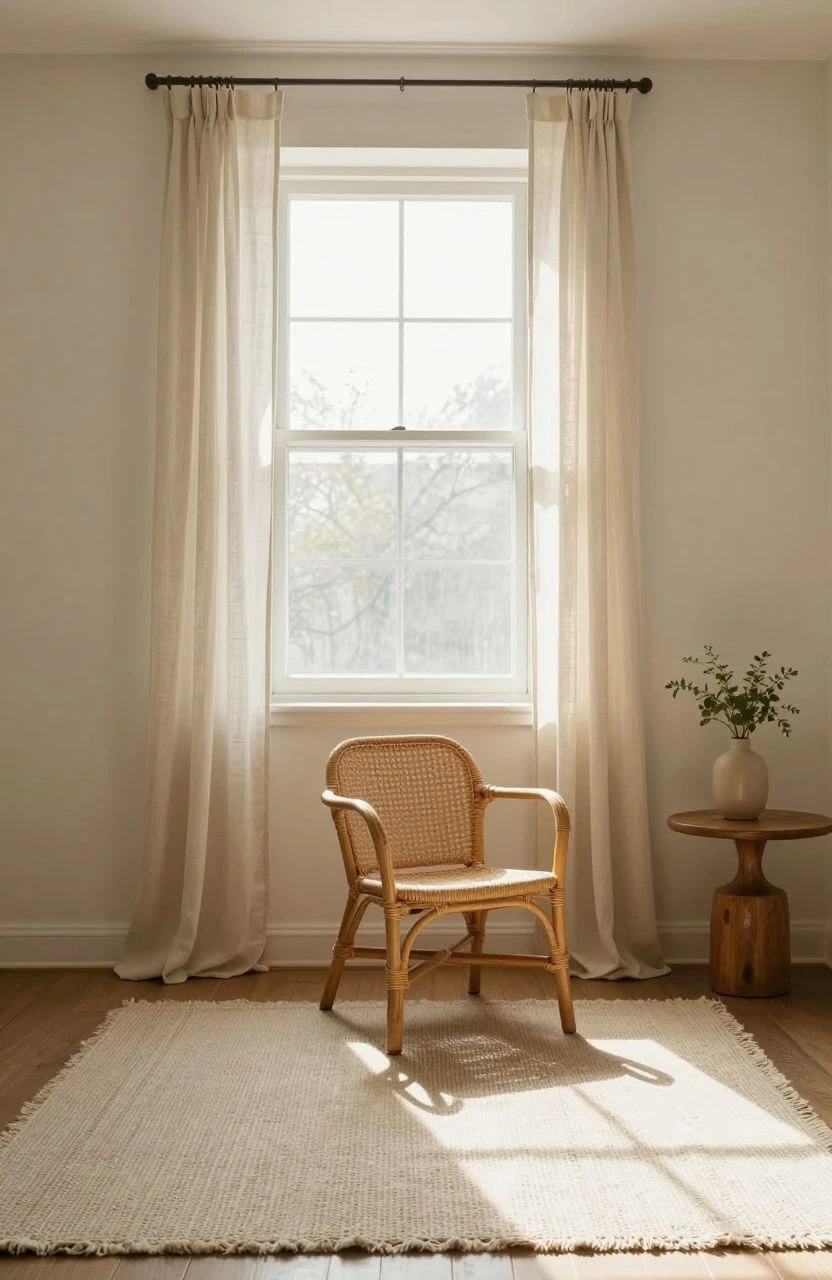
When you’re living in a small space,check out tiny room makeover ideas as it’s easy to feel like your décor options are limited. You might think that creating a stylish, sophisticated room requires a hefty budget and professional designers. However, the truth is that some of the most stunning room transformations happen on a shoestring budget. With creativity, strategic planning, and a little elbow grease, you can completely revolutionize your tiny room without spending a fortune.
This comprehensive guide will walk you through 11 proven strategies to makeover your small space while keeping your total budget under $60. Whether you’re renting and need temporary solutions or you’re a homeowner looking to maximize your space, these ideas are designed to be practical, affordable, and visually impressive. The key is understanding how to use design principles—like color psychology, spatial illusion, and strategic lighting—to create a room that feels larger, more organized, and infinitely more stylish than it was before.
Let’s dive into each makeover idea and explore exactly how to implement them in your tiny room without breaking the bank.
1. Paint with Purpose
Paint is the single most transformative and budget-friendly tool in your decorating arsenal. A fresh coat of paint can completely change the mood, perception of space, and overall aesthetic of a tiny room. The best part? Paint is incredibly affordable, especially when you shop strategically and use smart color selection.
The psychology of color in small spaces is crucial. Light colors—such as soft whites, pale grays, light blues, and creamy yellows—reflect light and make rooms feel more open and airy. These colors work beautifully in small spaces because they don’t visually “close in” the room the way darker colors can. When you’re working with a limited budget, consider getting a single gallon of quality paint in a light neutral shade. A gallon typically costs between $20-$35, and you’ll be amazed at how far it stretches.
If you want to add personality without splurging on expensive wallpaper, painter’s tape is your secret weapon. Use painter’s tape to create geometric designs on your walls—think stripes, triangles, or chevron patterns. This technique costs just a few dollars for a roll of tape and can create a modern, professional-looking accent wall that rivals expensive wallpaper. Apply your base color first, let it dry completely, then use painter’s tape to create your pattern, apply a contrasting color, and carefully remove the tape to reveal clean lines.
Another sophisticated technique is creating an accent wall with a bold color or pattern. Choose one wall—ideally the wall you see first when entering the room—and paint it with a deeper, richer color or interesting pattern. This draws the eye and creates a focal point, making the room feel intentionally designed rather than bland. The remaining walls stay light, which helps maintain the illusion of space while the accent wall adds visual interest and personality.
Budget tip: Check if your local paint store offers mistinted or returned paint at significant discounts. These paints are perfectly good and often available at 50% off regular price.
2. Smart Furniture Choices
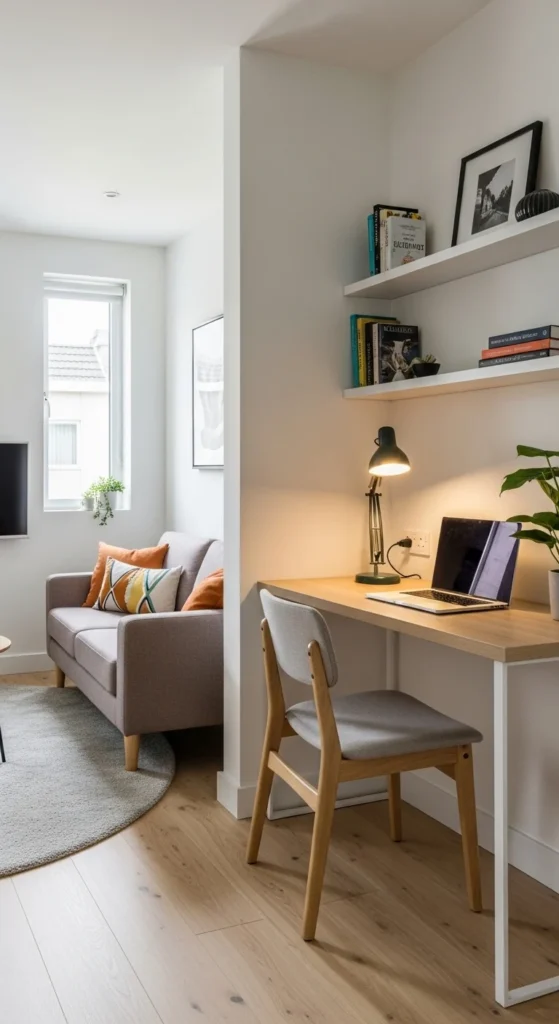
In a tiny room, every piece of furniture must earn its place. Rather than filling your space with individual pieces, focus on furniture that serves multiple purposes and helps maximize your available square footage. This strategic approach allows you to have the furnishings you need without creating a cramped, cluttered feeling.
Multi-functional furniture is the hero of small space living. An ottoman with hidden storage serves as a footrest, a place to sit, a surface for displaying a tray, and storage for blankets or seasonal items. You can often find these at thrift stores or discount furniture retailers for under $30. A coffee table with shelves underneath provides display and storage space. A bed frame with built-in drawers creates precious storage without taking up additional floor space. When you’re shopping for furniture, always ask yourself: “Can this piece do more than one job?”
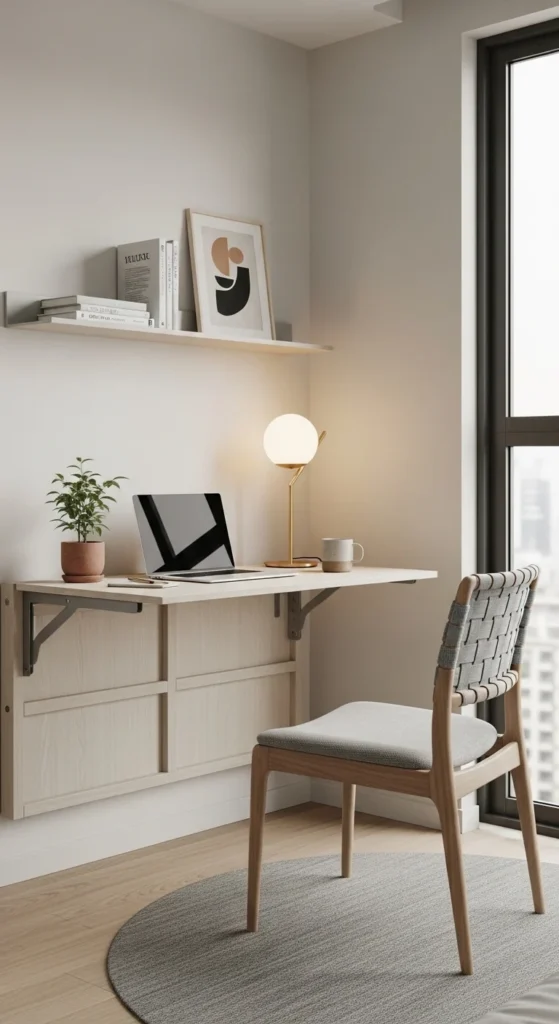
Vertical furniture choices also make a huge difference in how spacious a room feels. Opt for tall, narrow bookshelves instead of wide, low storage units. Look for foldable or stackable chairs that can be stored away when not in use. Consider a wall-mounted desk instead of a bulky traditional desk. These choices respect your floor space while still providing functionality.
The materials and style of furniture matter too. Furniture with visible legs—whether it’s a sofa, chair, bed frame, or table—creates an airy feeling because you can see the floor underneath. This visual trick makes even a small room feel less cramped. In contrast, furniture with solid bases that sit directly on the floor can make a space feel heavy and enclosed. When possible, choose pieces with legs or look for furniture that hovers above the ground.
Action step: Before buying any furniture, measure your room and create a scaled floor plan. This prevents expensive mistakes and ensures pieces actually fit the way you envision them.
3. DIY Wall Art
Professional wall art can be shockingly expensive, but creating your own is an enjoyable, budget-friendly alternative that adds personality and polish to your tiny room. You don’t need to be artistic to create gallery-worthy pieces—in fact, some of the most striking modern art looks intentionally simple and abstract.
The most basic DIY art project involves purchasing inexpensive canvases from a craft store (usually $3-$5 each) and creating abstract paintings. You don’t need expensive acrylic paints—craft paints from the dollar store work beautifully. Mix and match colors, create geometric patterns, use brushes or even your fingers to apply paint, and experiment until you achieve a look you love. Abstract art is forgiving because there’s no “wrong” way to do it. A series of three or five small canvases arranged on a wall creates far more impact than a single large piece. 11 Master Bathroom Ideas That Feel Luxurious 2026.
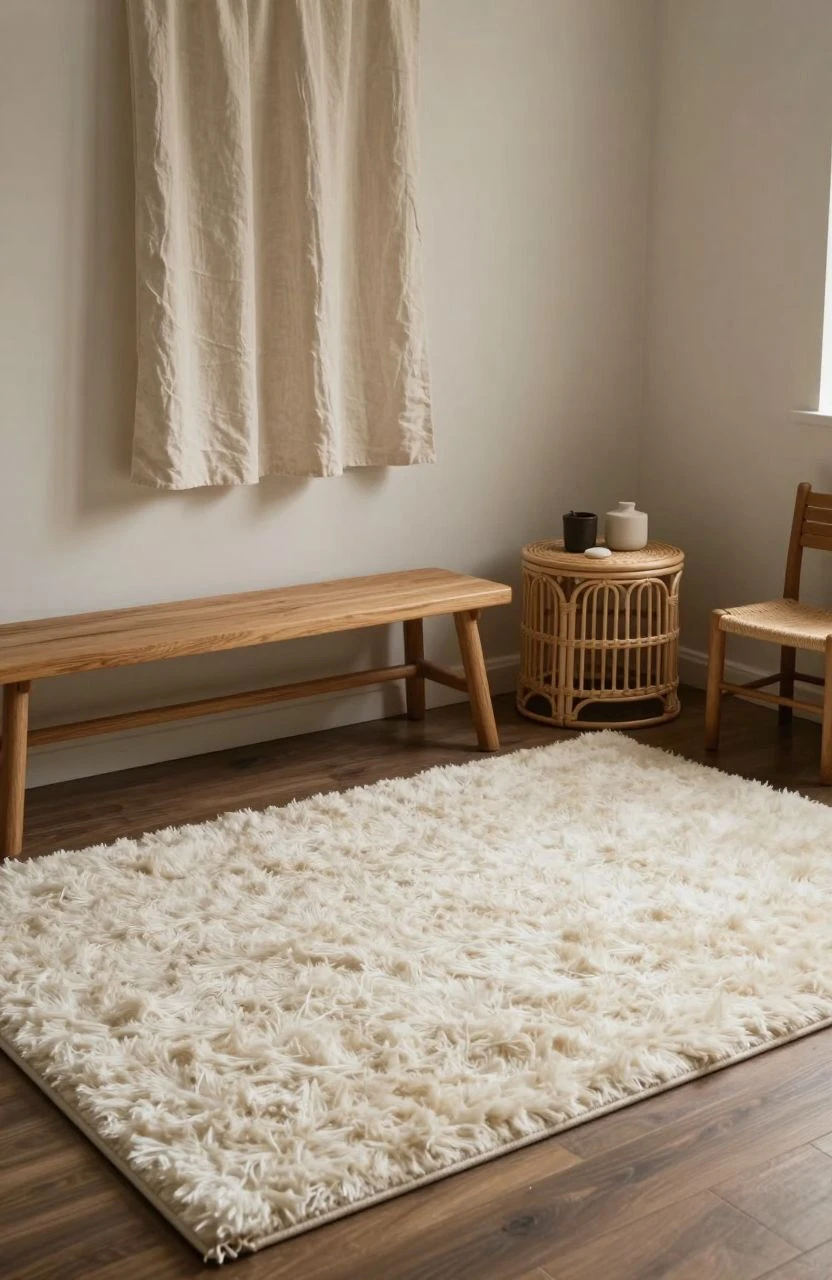
Fabric remnants from craft stores or thrift shops provide another avenue for wall art. Stretch fabric over wooden frames (which you can make from cheap wooden strips) to create a fabric wall hanging. This adds texture and warmth to a room while being incredibly affordable. You can also frame interesting fabrics, vintage scarves, or textile patterns directly using inexpensive frames from discount stores.
A personalized gallery wall combining various framed items is incredibly popular and completely budget-friendly. Frame favorite photographs, print out free digital art from websites, frame magazine cutouts that inspire you, or print quotes and motivational sayings. Mix frame styles and sizes for an eclectic, curated look. This approach costs minimal money but creates tremendous visual impact and makes your space feel uniquely yours. The beauty of a gallery wall is that you can add to it and adjust it over time as your interests evolve.
DIY tip: Use painter’s tape to plan your gallery wall layout on the wall before hammering any nails. This prevents mistakes and ensures your arrangement is balanced and visually appealing.
4. Lighting Matters
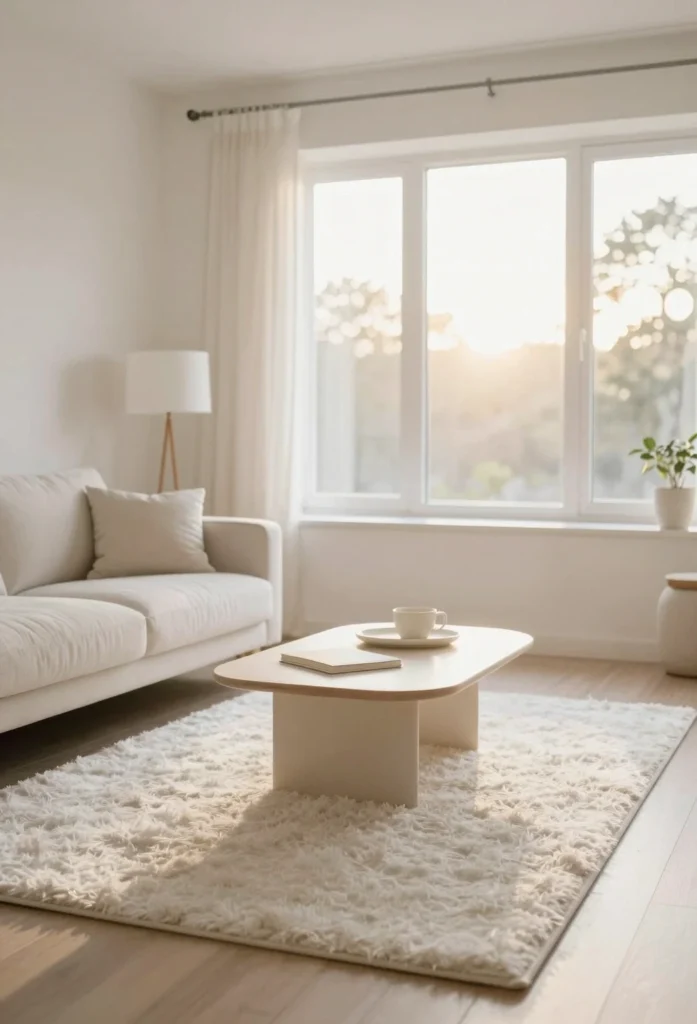
Lighting profoundly affects how spacious and welcoming a room feels. Strategic lighting choices can make a dramatic difference in your tiny room’s ambiance and perceived size, all for a minimal investment.
Standard overhead ceiling lights are functional but often unflattering and uninspiring. Replacing a basic fixture with stylish pendant lights—which you can find at discount retailers for $15-$30—instantly upgrades the room’s appearance and creates a more sophisticated atmosphere. Pendant lights also direct light in interesting ways, creating visual interest and highlighting different areas of the room.
Layered lighting is a professional design principle that works beautifully in small spaces. Rather than relying solely on one overhead light, incorporate multiple light sources at different levels: overhead lighting, task lighting (like a desk lamp or reading light), and ambient lighting (like string lights or fairy lights). This creates depth and allows you to adjust the mood and brightness depending on your needs. String lights or fairy lights draped around a bookshelf or along a wall create a cozy, intimate atmosphere for under $10.
Mirrors are your secret weapon for amplifying light and creating the illusion of more space. A strategically placed mirror opposite a light source reflects light throughout the room, making it feel brighter and larger. Large mirrors are more impactful than small ones, and you can find affordable options at thrift stores or discount retailers. The visual effect of a mirror in a small space is genuinely magical—it literally doubles the visual depth of the room.
Lighting strategy: Use warm-toned bulbs (2700K) for ambient lighting to create a cozy feeling, and cooler-toned bulbs (4000K) for task lighting to improve visibility and focus.
5. Textiles and Soft Furnishings
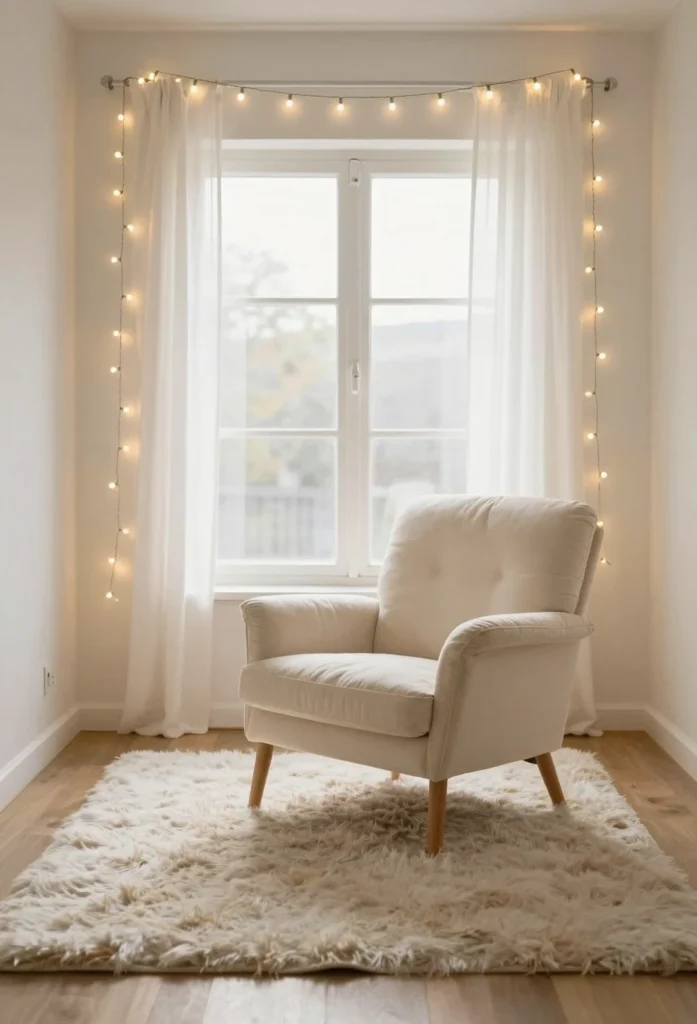
Textiles are the fastest, easiest way to add warmth, personality, and sophistication to a tiny room. The tactile quality of soft furnishings also makes a space feel more inviting and comfortable, which is especially important in smaller rooms where you spend concentrated time.
Throw pillows are transformative décor elements that work within almost any budget. You can purchase throw pillows for $5-$15 each at stores like Target, HomeGoods, or thrift shops. The key to creating a sophisticated look is choosing pillows with varied textures—combine velvet, linen, knit, and patterned fabrics. Stick to a cohesive color palette (perhaps three main colors) and mix various sizes. A well-curated pillow collection makes even a modest bed or sofa look like it’s been professionally styled.
Throw blankets add both warmth and visual interest. Drape a textured blanket over a chair or the foot of a bed to create an inviting, layered look. Blankets in chunky knit, faux fur, or interesting weaves add dimension to your space. These are often found at discount retailers for $10-$20, and they serve the dual purpose of being functional and decorative.
Area rugs define spaces and add comfort underfoot. In a small room, a well-chosen rug can anchor a seating area and make the space feel intentionally designed. Rugs create visual boundaries and help organize the room into functional zones. Look for affordable options at discount stores or online retailers—a small to medium rug can often be found for $20-$30. Choose a rug that complements your color palette and adds texture to the space.
Removable wallpaper and wall decals offer temporary textile-like decoration without commitment or damage to rental properties. These budget-friendly options ($10-$30) add pattern and visual interest to walls and can be changed whenever you want a fresh look. Peel-and-stick options make installation incredibly easy—no special tools or professional help required.
Styling tip: When layering textiles, aim for contrast in texture and pattern. Pair solid colors with patterned pieces, smooth fabrics with nubby textures, and matte finishes with shiny accents. Home Decor 2026.
6. Greenery and Natural Elements
Bringing nature into your tiny room transforms the space and provides numerous psychological benefits. Plants add color, oxygen, texture, and life to a room while being incredibly affordable and accessible. You don’t need a green thumb or a large budget to create a lush, botanical-inspired space.
Small potted plants are the easiest way to incorporate greenery. Succulents, air plants, pothos, and snake plants thrive in various light conditions and require minimal maintenance. These plants are often available for $2-$5 each at garden centers or grocery stores. Arrange several small pots on a shelf, windowsill, or desk to create impact. Group odd numbers of plants together (three or five) for a more visually appealing arrangement than even numbers.
Hanging planters save valuable floor and surface space while creating visual interest at different heights. Hang planters from a tension rod in a window, from floating shelves, or using hooks on the wall. This vertical approach is perfect for tiny rooms where every inch of floor space counts. Hanging planters can be DIY projects—repurpose glass jars, tin cans, or other containers using string or hooks.
Choose low-maintenance plants that thrive in indoor environments without requiring extensive care. Snake plants are nearly indestructible and improve air quality. Pothos (also called Devil’s Ivy) grows beautifully in various light conditions and can cascade from shelves or be trained to climb. Succulents require minimal water and look sophisticated on a sunny windowsill. ZZ plants, spider plants, and peace lilies are also excellent low-maintenance options. These plants survive occasional neglect, which makes them perfect for busy lifestyles or those new to plant parenting.
Plant placement idea: Create a “plant wall” by using floating shelves at varying heights to display multiple small plants. This creates a dramatic focal point without taking up floor space.
7. Clever Storage Solutions
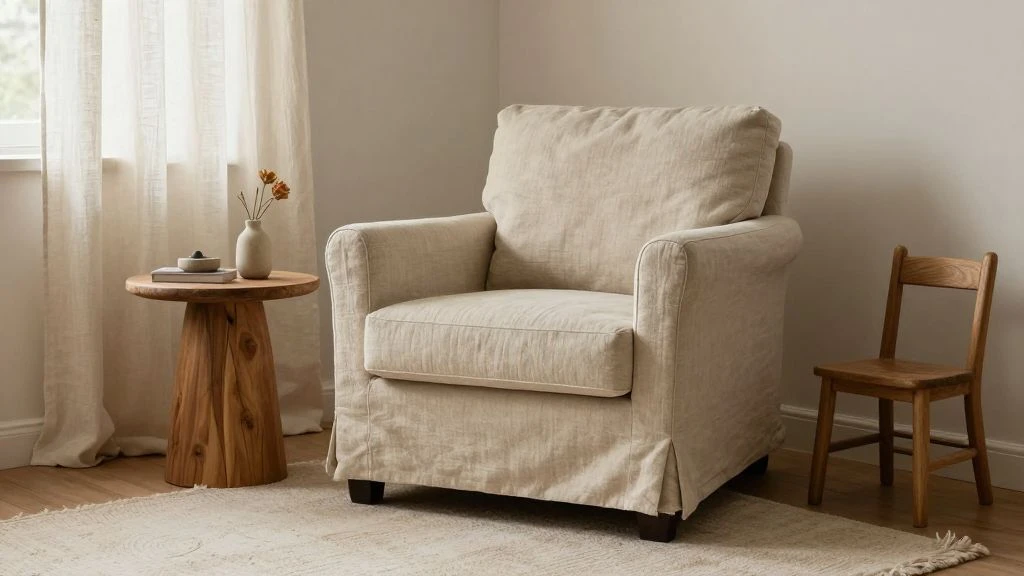
Storage is paramount in tiny rooms, but it doesn’t have to be boring or bulky. Strategic storage solutions keep your space organized and uncluttered while looking intentional and stylish.
Vertical space is your best friend in small rooms. Wall-mounted shelves utilize the often-wasted space above eye level and create storage without consuming floor space. Shelves can be found at affordable prices at hardware stores and discount retailers. Install them above a desk, bed, or sofa to provide storage and display space. Arrange items on shelves thoughtfully—mix functional items with decorative pieces to create visual interest.
Decorative baskets and bins are game-changers for tiny rooms. They contain clutter while remaining visually attractive, and they can be tucked under tables, on shelves, or in corners. Baskets provide hidden storage for items you need but don’t want displayed. Woven baskets, fabric bins, and wire organizers come in various sizes and styles, often available for $5-$15 each. Group several baskets together to create a cohesive storage wall.
Under-bed storage maximizes the often-underutilized space beneath your bed. Flat storage containers, rolling drawers, or storage bags keep seasonal items, extra bedding, or infrequently used items out of sight but easily accessible. This storage method costs very little but creates significant organizational capacity.
Over-the-door organizers are miracle workers in tiny rooms. These hang on the back of doors and provide pockets for storing everything from books to accessories to office supplies. They maximize unused space and keep items organized and visible. A good over-the-door organizer costs around $10-$20 and can hold an impressive amount of stuff.
Organization principle: Everything in your tiny room should have a specific place. This prevents clutter from accumulating and keeps your space feeling intentional and calm.
8. Accessorize Wisely
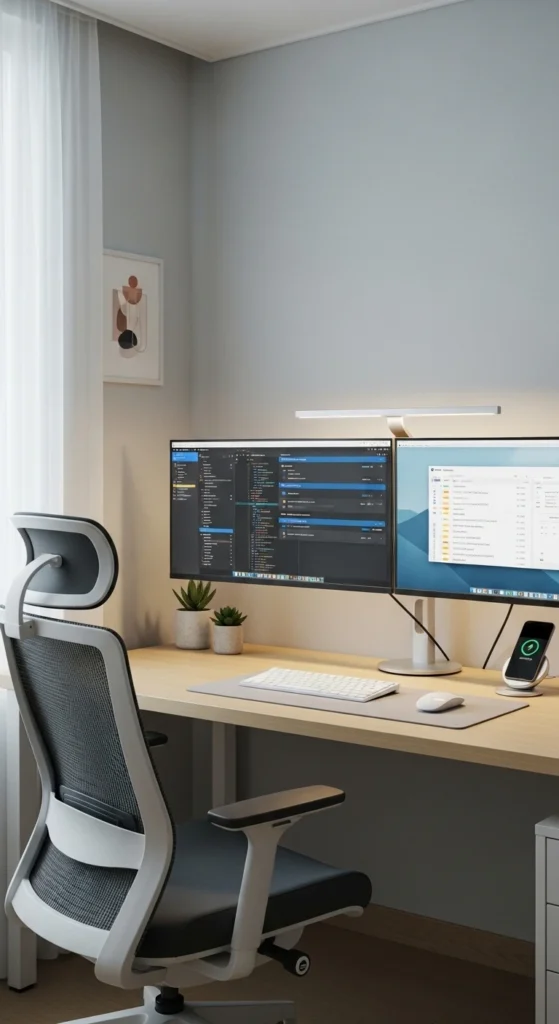
Accessories are the finishing touches that make a room feel complete and personal, but in tiny spaces, it’s crucial to be selective. Too many accessories create visual clutter and make a small room feel chaotic. Instead, focus on choosing statement pieces and displaying accessories thoughtfully.
Statement pieces are bold, eye-catching items that serve as focal points. These might include a unique wall clock with an interesting shape or color, a sculptural piece, a decorative mirror with an ornate frame, or colorful artwork. One or two well-chosen statement pieces add personality and sophistication without overwhelming a small space. Choose pieces that reflect your style and interests. Thrift stores are treasure troves for unique statement pieces at remarkably low prices—you might find a gorgeous vintage clock for $3-$8.
Thrifting and mixing found items creates an eclectic, curated aesthetic that looks more expensive and intentional than buying matching sets. Visit thrift stores, estate sales, and online marketplaces to find unique pieces that resonate with you. An old vintage frame, a interesting book, a small piece of pottery—these individual items combined tell a story about who you are and create visual interest.
The key to avoiding visual clutter is the “less is more” principle. Edit your accessories ruthlessly. Ask yourself: “Do I love this? Does it serve a purpose? Does it align with my overall design aesthetic?” Remove anything that doesn’t meet these criteria. Group similar items together rather than scattering them throughout the room. Create intentional vignettes—small, curated arrangements of items on a shelf or table that look purposeful and organized.
Accessory strategy: Limit yourself to three main colors or a specific color palette for accessories. This creates cohesion and prevents the space from feeling scattered or chaotic.
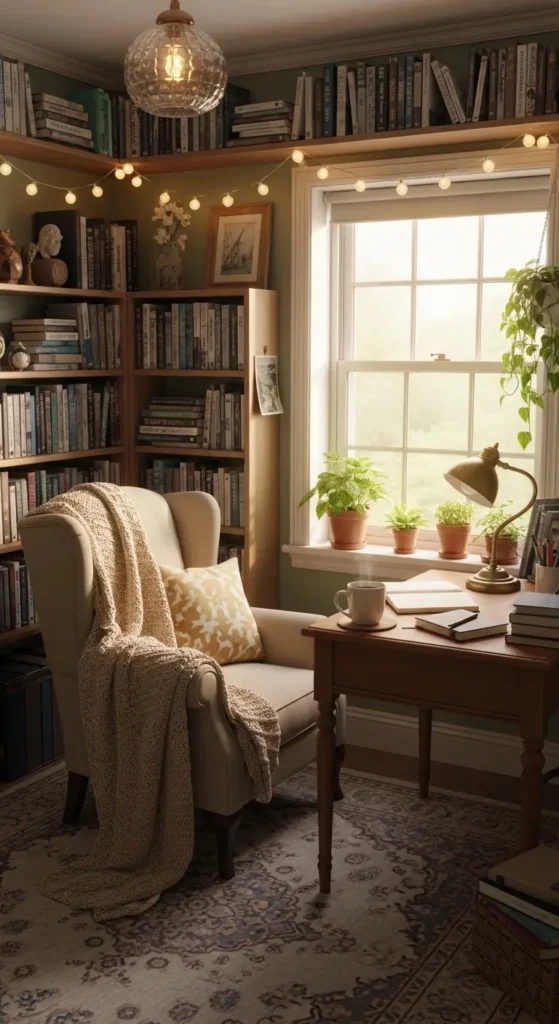
Additional Budget-Friendly Makeover Strategies
Beyond the eight main sections above, here are three more powerful makeover ideas that work beautifully in tiny rooms and cost under $60.
DIY Headboard Creation can transform a bedroom dramatically. Create a headboard using removable wallpaper, paint a geometric pattern on the wall, or hang fabric from a tension rod. This adds architectural interest and makes the bed a focal point. The entire project often costs under $20-$30 and creates the impression of a professionally designed bedroom.
Reorganize and Rearrange your existing furniture before buying anything new. Sometimes simply moving furniture creates better flow and makes a space feel larger. Remove items that don’t serve a purpose. This costs nothing and often results in surprising improvements to how your room functions and feels.
Seasonal Updates keep your tiny room feeling fresh without major investments. Change throw pillow covers seasonally, swap out artwork, update your plant selection, and adjust your color palette based on the season. This keeps your space feeling intentional and connected to the world outside, and most seasonal décor items cost very little.
FAQ
What are some budget-friendly paint options?
The most economical approach is shopping for paint sales at major retailers like Home Depot, Lowe’s, or Sherwin-Williams. Many stores offer clearance paint at 30-50% discounts. These are typically colors that were custom-mixed for other customers but weren’t picked up. You can also explore discount paint brands like Rust-Oleum or store-brand paints, which offer excellent quality at lower prices than premium brands. Another money-saving tactic is purchasing smaller quantities—a quart of paint (often $10-$15) is sufficient for accent walls in tiny rooms. If you’re creative, you can also mix your own custom colors using paint tinting systems available at most hardware stores.
How can I make a small room feel larger?
Multiple design strategies work together to create the illusion of space in tiny rooms. Start with light paint colors that reflect light and don’t visually close in the space