When a Home Feels Heavy, Not Light
I remember standing in a living room full of half-opened drawers, shoes piled by the door, and a closet that seemed to explode every time I opened it. Whenever I thought I was “done cleaning,” I’d glance at the jumble on the shelf and feel that prick — the guilt, the overwhelm, the constant mental noise.
Then I discovered the power of minimalist home organization hacks. It wasn’t about perfection or sterile emptiness. It was about intentionally choosing what stays — and letting go of what doesn’t belong. Little by little, that living room transformed from chaotic to calm. The clutter didn’t disappear overnight. But with consistent habits and a few smart moves, the home — and the mind — began to breathe easier.
In this guide, I’m sharing those proven minimal-style organizing techniques: real-life practical, rooted in experience, and gentle enough to keep up. By the end, you’ll have a roadmap to declutter, style with intention, and maintain simplicity — without feeling like you’ve moved into a showroom.
Why Minimalist Home Organization Works (and Why It Matters)
Clear Space = Clear Mind
Living in a cluttered home often means your brain is cluttered too. Objects stacked in corners, stray papers, too-many decorative items — they don’t just occupy physical space. They occupy mental space. That’s why many organizing experts stress the importance of less stuff, more breathing room.
Minimalist organization helps you reclaim both kinds of space: the physical — where you move, live, relax and the mental — calm, clarity, ease.
Ease of Maintenance — Less Work, More Life
A well-organized home isn’t a one-time project. It’s a lifestyle. According to long-time home-organizing guides, when you commit to simple systems — where every item has a home and routines are easy — maintenance becomes effortless.
No more chaotic weekends spent rummaging for lost things. No more “I’ll clean later” guilt. Just a home that stays tidy — because it’s designed to.
Core Minimalist Organization Hacks You Can Use Now
Here are the essential strategies I recommend — the ones I use when I organize my own home and when I help clients.
Hack 1: Declutter Room by Room, Use the 4-Box Method
Don’t try to conquer the whole house at once. Instead — pick one room (or even one drawer) and tackle it thoroughly. Gather four boxes labelled: Keep | Donate / Sell | Recycle / Trash | Maybe (for unsure items). Minimalist Home Living
As you touch each item: ask yourself, “Do I really use this? Does it add value? Will I need it again?” If the answer is no — let it go (donate or recycle). If you’re unsure, place it in “Maybe” and revisit in 1–3 months before deciding.
This method builds clarity and momentum. One client told me after doing this for her wardrobe: “It felt like I suddenly had breathing room inside my own closet.”
Hack 2: Give Everything a “Home” — Surfaces & Drawers Stay Clear
One of the most powerful minimalist ideas is: if something doesn’t have a designated spot — it shouldn’t stay out. Flat surfaces — tables, counters — should be mostly clear.
That means no more “I’ll just leave this here for now” junk. Immediately return items to their place. Over time, this habit reduces visual clutter significantly. Many organizing guides list “everything in its place” as a foundational rule.
Hack 3: Use Simple, Functional Storage — Bins, Boxes, Vertical Space
Once you declutter, storage becomes your best friend. Use stackable bins, clear containers, labelled drawers, baskets — whatever helps you categorize and store without making things messy again.
Don’t forget vertical space: tall shelves, wall-mounted cabinets, hooks, etc. Especially in smaller homes, vertical storage saves floor space and keeps surfaces free.
Hack 4: Adopt Everyday Habits — Micro-declutter & Routine Checks
Organization shouldn’t feel like a big chore. Instead, build tiny daily or weekly habits: spend 5–10 minutes clearing a table, fixing a drawer, sorting mail, or clearing out the “drop zone.”
These quick resets prevent clutter from accumulating again. Many people who stick to minimalist living say this habit — more than special storage bins or fancy furniture — is what really keeps their homes tidy.
Hack 5: Be Intentional About What You Bring In — Shop Less, Choose Wisely
A minimalist home isn’t just about organizing what’s already there — it’s about preventing excess in the first place. Before buying or accepting anything new — ask yourself: Do I need this? Do I love it? Do I already own something similar?
This mindset — sometimes called “one-in-one-out” or “one-in-two-out” — helps you avoid accumulation and keeps your home from becoming crowded again.
Minimalist Styling: Make Organization Look Good, Not Boring
Minimalism doesn’t mean bland. With a few thoughtful touches, you can organize and style your home so it feels calm, curated, and alive — not cold or empty.
Use Neutral Palettes & Few Accent Pieces
A clean base — soft whites, greys, beiges — makes your home feel open and airy. Then, add 1–2 accent pieces (a textured rug, a plant, a simple artwork) to bring warmth and personality without visual clutter.
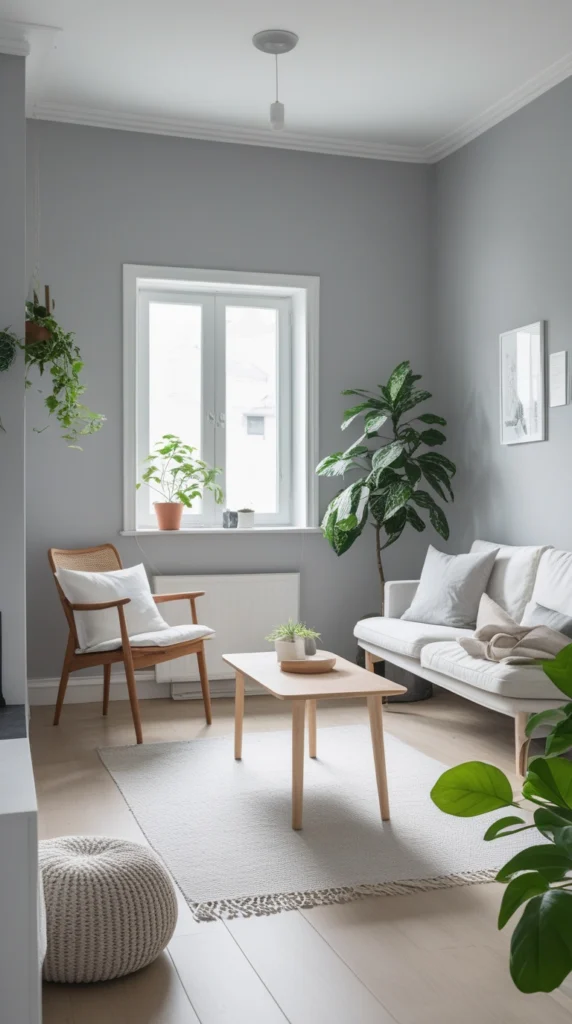
Choose Furniture with Hidden Storage or Clean Lines
Furniture that doubles as storage (e.g. ottomans with space inside, benches with storage under-seat, cabinets with doors) help hide clutter without losing function. Clean-lined furniture keeps the visual field open — which is key in a minimalist home.
Let Light & Space Work — Embrace Empty Areas
Don’t be afraid of empty space. In minimalist homes, empty corners, clean floors, and uncluttered surfaces give a sense of calm. Use natural light, mirrors, and open layouts to make spaces feel larger and lighter.
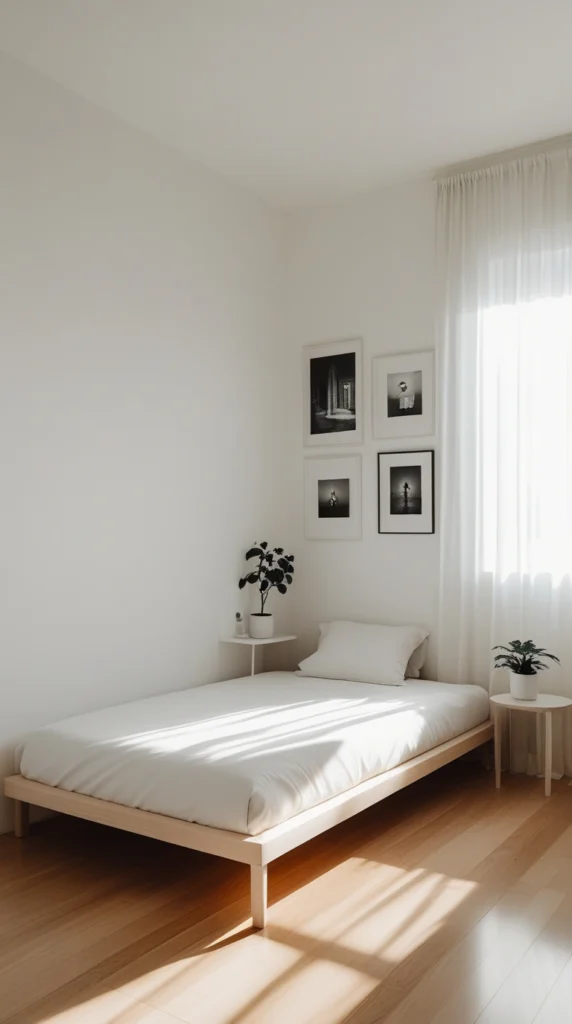
Real-Life Mistakes I’ve Seen (And How to Avoid Them)
Even seasoned minimalists can slip. Here are common mistakes — and how to sidestep them.
Mistake: Decluttering Once — Then Letting Clutter Creep Back In
Many people purge a closet or drawers once — only for things to accumulate again within months. Without systems or habits, organization doesn’t last.
Fix: Build small, repeatable habits — micro-declutter weekly, assign homes to new items, be picky about what you bring in.
Mistake: Hiding Everything — Creating a “Museum” Not a Home
Some go too far: hiding away all items, removing personality, decorating entirely in neutral tones. The result: a home that feels sterile, unlived-in.
Fix: Keep just a few personal items — maybe a photo frame, a houseplant, a piece of art, or a meaningful object. Let minimalism be about clarity, not emptiness.
Mistake: Over-relying on Storage Solutions — Bins, Boxes, Shelves — Without Letting Go of Items
Buying storage bins or boxes can be helpful — but if you don’t declutter first, you’re just hiding the mess.
Fix: Always declutter first, then bring in storage. If you just store excess items, clutter will resurface eventually.
7-Step Minimalist Home Organization Routine (A Simple Plan to Follow)
Here’s a routine I often share with clients new to minimalism. You can follow it room by room — or adapt it for specific areas (closet, kitchen, living room).
- Pick one area (room, closet, drawer) and commit a short time (30–60 min).
- Use 4-box method — Keep / Donate / Trash / Maybe. Decide quickly for each item.
- Clean the empty space — wipe surfaces, dust, vacuum, freshen up.
- Assign a ‘home’ to each kept item — drawer, shelf, bin, container, etc.
- Use functional storage only when needed — don’t buy excessive containers; use what fits your lifestyle.
- Designate a “drop zone” for incoming items — mail, keys, daily items — so they don’t land randomly on surfaces.
- Implement micro-tidy habit — 5–10 minutes daily or weekly to reset surfaces and keep clutter from creeping back.
Stick to this routine for 4–6 weeks, and you’ll feel the difference — a home that breathes, easier to clean, less stress, more calm.
FAQs — Your Minimalist Home Questions Answered
Q1: I’m not ready to give away many things — can I still benefit from these hacks?
Yes. Even without purging heavily, simply creating homes for things, clearing surfaces, and adopting daily tidy habits helps reduce visual chaos. The result may not be “bare minimum,” but it will still feel lighter, calmer.
Q2: What if I live with family or roommates and can’t control what others leave around?
You can still apply the principles: designate shared zones (entryway, common shelves), encourage the “everything has a home” rule, and schedule regular micro-tidy sessions. With consistency and communication, the entire household benefits.
Q3: Doesn’t minimalism feel cold or like you lack personality in your home?
Not if you do it intentionally. Choose a few meaningful items — a favorite mug, a plant, a painting, a cozy rug — to show your personality. Minimalism isn’t about blandness. It’s about clarity and intention.
Q4: How often should I declutter or reorganize?
Many minimalism experts suggest a micro-declutter 5–10 minute session weekly, plus a deeper purge every 3–6 months.
Q5: What if I lack storage space — small apartment, no big closets?
Then focus on open shelving, multifunctional furniture, vertical storage, and limiting what you keep. The goal is not maximal storage — it’s minimal unnecessary items.
Q6: Does minimalist organization work if I have kids (or many people at home)?
Yes — but it requires shared habits, clear zones, and maybe more frequent tidying. Simple systems (storage bins, labels, drop zones) work well for families. The routines and “everything has a home” mindset become even more valuable.
Conclusion — Simplicity Is a Gift to Yourself
Minimalist home organization isn’t just about a tidy living room, clean kitchen counters, or empty shelves. It’s about giving yourself a gift: peace of mind, ease, freedom, clarity.
When your home is organized — not because you forced it, but because you designed it that way — your everyday life changes. You spend less time searching, cleaning, stressing. You find calm in empty surfaces, joy in meaningful items, and space — both physical and mental — to breathe.
If you’ve ever felt overwhelmed by “too much stuff,” start today. Pick one drawer, one shelf, one corner. Use the 4-box method. Give things a home. Build tiny habits. Let your surroundings — and yourself — begin to simplify.
Because at the end of the day, you deserve a home that supports you: not weighs you down.