10 Genius Outdoor Cushion Hacks Every Rooftop Patio Needs (Cheap & Chic!)
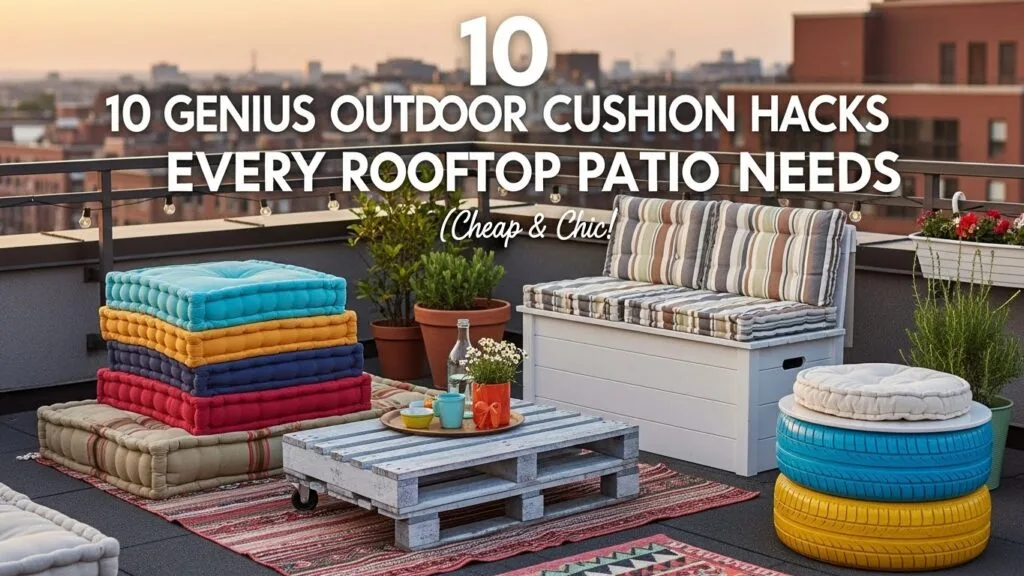
Your rooftop patio is the perfect escape from the daily grind, but those outdoor cushions can make or break the space. Let’s explore some clever ways to keep your cushions looking fresh, feeling comfortable, and easy on your wallet.
Smart Storage Solutions That Save Space and Money
Storing outdoor cushions during harsh weather doesn’t require expensive storage boxes. Instead, use vacuum-sealed storage bags designed for bedding. These bags compress your cushions down to a fraction of their original size, making them fit easily in closets, under beds, or in compact garage corners. You’ll save both space and money while keeping moisture and pests away from your cushions.
Another budget-friendly option involves using old plastic bins with tight-fitting lids. Stack your cushions vertically inside and add a few packets of silica gel to absorb moisture. This method costs almost nothing if you already have containers around your home, and it keeps your cushions protected from dust and weather damage.
DIY Cushion Covers That Transform Your Space
Instead of buying expensive replacement cushion covers, make your own using affordable fabric from local craft stores. Measure your cushions carefully, add a half-inch seam allowance, and cut your fabric pieces. You don’t need advanced sewing skills—a basic sewing machine or even hand stitching works perfectly for outdoor cushion covers.
Choose outdoor-grade fabric or waterproof materials to ensure durability. Many craft stores offer these fabrics at reasonable prices, especially during sales. You can completely refresh your patio’s look for the cost of a single expensive cushion replacement.
Water Resistance Without the Premium Price Tag
Protect your cushions from water damage using fabric protector sprays available at most hardware stores. These products cost significantly less than buying weather-resistant cushions outright. Apply the spray according to package directions, typically in a well-ventilated outdoor area, and let it dry completely before use.
For extra protection, create a waterproof barrier using clear plastic sheeting under your cushions. Secure it with weather-resistant tape, and water will run off instead of soaking through. This simple hack prevents moisture buildup that causes mold and mildew growth.
Refresh Faded Colors With Strategic Placement
Sunlight naturally fades outdoor cushion colors over time. Combat this by rotating your cushions regularly, moving them to shaded areas of your patio when they’re not in use. If you have decorative outdoor curtains or umbrellas, position them to create shade for your seating areas.
Add pops of color with removable cushion covers in seasonal patterns. Changing covers seasonally extends your cushion lifespan while keeping your patio looking current and stylish without major expenses.
Repair Small Damage Before It Becomes Big Problems
Address minor tears and seams immediately using waterproof fabric repair tape or needle and thread with outdoor-grade fabric. Catching damage early prevents small issues from becoming expensive replacements. Keep a small sewing kit specifically for outdoor furniture repairs in an easily accessible location.
For stubborn stains, mix equal parts white vinegar and water in a spray bottle. Spray the affected area, let it sit for fifteen minutes, and scrub gently with a soft brush. This natural cleaning method costs pennies and works on most outdoor stains without harsh chemicals.
Creative Cushion Alternatives for Budget-Conscious Decorators
Who says you need traditional outdoor cushions? Use outdoor pillows designed for different purposes to create unique seating combinations. Decorative outdoor throw pillows cost less than full seat cushions and add personality to your space. Mix and match colors and patterns to achieve a high-end designer look without the designer price.
Rolled-up outdoor blankets or quilts create makeshift cushioning on benches and lounge chairs. Select weather-resistant fabrics and fold them to desired thickness. This approach gives you flexibility to change your setup whenever inspiration strikes.
Climate Control for Cushion Longevity
Proper air circulation prevents moisture accumulation that deteriorates cushions quickly. Ensure your patio furniture isn’t pushed directly against walls or railings where air can’t flow. Even a few inches of space makes a significant difference in preventing mold and mildew.
During humid seasons, place moisture-absorbing products near your stored cushions. Activated charcoal, baking soda, or commercial dehumidifiers maintain appropriate moisture levels without costing much money.
Protective Barriers That Work Wonders
Invest in inexpensive patio furniture covers that protect your entire seating area. These covers prevent direct sun exposure and keep rain and debris off your cushions. Quality furniture covers often cost less than replacing damaged cushions even once.
Create a DIY protective barrier using old sheets or lightweight canvas fabric secured with bungee cords. This budget hack provides surprisingly effective protection while maintaining air circulation to prevent moisture trapping.
Seasonal Maintenance That Extends Cushion Life
Clean your cushions regularly with mild soap and water using a soft-bristled brush. This simple maintenance prevents dirt accumulation that accelerates wear and fade. Dry cushions completely before storage or use to avoid moisture-related damage.
Before winter storage, inspect cushions for any damage and make repairs while you can still see clearly in daylight. Early intervention prevents small problems from growing into major issues during storage months.
Your rooftop patio deserves cushions that look great and last for years. These smart hacks prove you don’t need to spend a fortune to achieve a beautiful, comfortable outdoor space. Implement even a few of these strategies and watch your patio transform into the stylish retreat you’ve always wanted.
Budget-Friendly Storage Solutions That Keep Your Cushions Fresh and Protected
Your rooftop patio cushions deserve protection that doesn’t break the bank. When you invest in quality outdoor seating, proper storage becomes essential to extend their lifespan and keep them looking fresh season after season. The good news? You don’t need fancy solutions to protect your cushions effectively. Smart storage strategies combined with budget-conscious approaches can save your cushions from fading, moisture damage, and mildew while keeping costs low.
Plastic Storage Containers for Year-Round Protection
Clear plastic storage containers offer an excellent first line of defense for cushion protection. These budget-friendly options let you see exactly what’s inside without opening them, saving you time when searching for specific cushions. Look for containers with tight-sealing lids that prevent moisture and pests from entering. Stack them neatly in a garage, shed, or covered storage area to maximize your space.
The beauty of plastic containers lies in their affordability. You can purchase quality options at discount retailers for just a few dollars each. Before storing your cushions, ensure they’re completely dry to prevent mold growth. Place silica gel packets or crumpled newspaper inside the containers to absorb excess moisture. This simple addition keeps your cushions fresh and ready to use whenever needed.
DIY Cushion Storage Bags Using Materials You Have
Creating your own storage bags costs practically nothing when you use materials already at home. Old bed sheets, shower curtains, or large garbage bags work wonderfully for protecting cushions during off-seasons. Simply place your cushions inside, seal the opening with string or tape, and store them in a cool, dry location.
This approach works particularly well for stacking multiple cushions together. The fabric breathes better than plastic in some situations, reducing condensation buildup. Label your DIY bags with waterproof markers so you remember what’s inside and which cushion belongs where on your patio setup.
Wooden Deck Boxes That Double as Seating
Outdoor storage benches serve dual purposes by providing seating while protecting cushions underneath. Many budget-friendly wooden deck boxes cost between thirty and eighty dollars, offering exceptional value. These boxes protect cushions from direct sunlight, rain, and temperature fluctuations while keeping them easily accessible.
Look for boxes with drainage holes in the bottom to prevent water accumulation. Raise the box slightly off the ground using small blocks or feet to improve air circulation underneath. This prevents moisture from pooling and extends the life of both your cushions and the storage box itself.
Vacuum Storage Bags for Space-Saving Solutions
Vacuum-sealed storage bags compress cushions down significantly, freeing up valuable storage space. These bags cost surprisingly little and come in various sizes to accommodate different cushion dimensions. Remove as much air as possible before sealing to maximize the space-saving benefits.
This method works best for cushions you won’t need to access frequently during the storage season. Once sealed, your cushions stay protected from dust, insects, and moisture. Just ensure you store the sealed bags in a temperature-controlled environment to prevent damage from extreme heat or cold.
Strategic Indoor Storage During Off-Seasons
Your home’s interior provides excellent storage opportunities for expensive or delicate cushions. Closets, under-bed spaces, and corner nooks keep cushions completely protected from outdoor elements. This approach costs nothing extra since you’re using space already available.
Before moving cushions indoors, make sure they’re clean and fully dry. Store them away from direct sunlight, heating vents, and moisture sources like bathrooms. These interior locations maintain consistent temperatures that preserve cushion materials far better than outdoor sheds or garages.
Protective Covers and Waterproof Solutions
Cushion covers made from weather-resistant fabric provide budget-friendly protection without removing cushions from your patio. These covers slip over cushions easily and shield them from rain, UV rays, and debris. Many affordable options cost under ten dollars per cover and last multiple seasons.
Waterproof covers work particularly well for cushions you use occasionally throughout cooler months. They’re more convenient than complete storage since you don’t need to remove and replace cushions constantly. Choose covers in neutral colors that complement your outdoor space while protecting your investment.
Natural Moisture Absorbers for Stored Cushions
Common household items work as excellent moisture absorbers when storing cushions. Baking soda, activated charcoal, and uncooked rice naturally pull moisture from the air inside storage containers. Place small bowls or cloth pouches filled with these materials near your cushions during storage periods.
Replace moisture absorbers every few weeks for optimal effectiveness. This completely free approach prevents mildew and musty smells that often develop in stored outdoor cushions. Your cushions emerge from storage smelling fresh rather than requiring aggressive cleaning.
Labeling and Organization Systems
Keep track of your cushion collection by labeling storage containers clearly. Use waterproof labels or permanent markers to identify cushion sets, colors, and which outdoor furniture pieces they belong to. This simple system prevents confusion when you’re setting up your patio for different seasons or occasions.
Creating a simple inventory list on your phone or computer costs nothing but saves tremendous time. Note where each cushion is stored, its condition, and when it was last cleaned. This organization prevents duplicate purchases and helps you rotate cushions evenly to extend their lifespan.
Protecting your outdoor cushions doesn’t require expensive storage solutions. By combining affordable containers, DIY approaches, and strategic placement, you keep your cushions fresh and protected year-round. These budget-friendly methods ensure your patio seating stays beautiful and comfortable without straining your wallet.
DIY Waterproofing Techniques to Extend Your Outdoor Cushion Lifespan
The key to protecting your outdoor cushions starts with understanding what damages them. Moisture is the biggest culprit. When water soaks into cushion fabric, it creates the perfect environment for mold and mildew. These nasty fungi not only damage the material but also create health hazards. UV rays from the sun fade colors and weaken fibers over time. Dirt and debris accumulate in the fabric, trapping moisture and speeding up deterioration. By addressing these threats with proper waterproofing, you’ll dramatically improve how long your cushions last.
Fabric Protector Spray: Your First Line of Defense
One of the easiest ways to waterproof outdoor cushions is applying a fabric protector spray. These products create an invisible barrier that repels water while still allowing the fabric to breathe. Look for sprays designed specifically for outdoor fabrics, as they’re formulated to withstand harsh weather conditions.
Before applying any spray, clean your cushions thoroughly. Use mild soap and water to remove dirt and debris, then let them dry completely. A wet surface won’t absorb the protector properly. Once dry, apply the spray in thin, even coats from a distance of about six to eight inches. Multiple light coats work better than one heavy coat. Allow proper drying time between applications, usually four to six hours. Reapply the protector every six to twelve months, depending on your climate and how much your cushions get used.
Silicone-Based Sealants for Extra Protection
For cushions that experience heavy rain or constant moisture exposure, silicone-based sealants offer enhanced protection. These products are thicker than spray-on protectors and create a more durable water-resistant layer. They’re particularly effective for cushion seams, which are vulnerable points where water can seep through.
Apply silicone sealants carefully along all seams and edges using a small brush or applicator. Pay special attention to stitching lines where water tends to penetrate. The sealant will dry clear and won’t noticeably change the cushion’s appearance. This method works wonderfully for cushions that stay on your patio year-round or get frequent use.
DIY Waterproofing Mixtures Worth Trying
You can also create effective waterproofing solutions right at home. One popular homemade option combines white vinegar and water in equal parts. While this won’t provide heavy-duty waterproofing, it helps repel water and prevents mildew growth. Spray it on your cushions monthly for maintenance protection.
Another DIY approach involves mixing beeswax with coconut oil. Melt equal parts of both ingredients and apply the mixture to cushion fabric with a soft cloth. This creates a natural water-resistant coating that also leaves your cushions smelling pleasant. This method works best for smaller touch-up jobs rather than treating entire cushions.
Protective Cushion Covers: The Shield Strategy
Sometimes the best waterproofing technique is prevention through protective covers. High-quality cushion covers provide a physical barrier against rain, sun, and debris. Look for covers made from solution-dyed acrylic or polyester blends, which resist fading and moisture better than standard fabrics.
Invest in cushion storage boxes or waterproof bags for off-season storage. These containers keep moisture and pests away during winter months or when you’re not using your patio. Proper storage dramatically extends cushion lifespan by protecting them when they’re most vulnerable.
Regular Cleaning: Prevention Beats Treatment
The best waterproofing hack is keeping your cushions clean. Dirt traps moisture against the fabric, promoting mold growth and deterioration. Vacuum your cushions monthly with an upholstery attachment to remove loose debris.
For deeper cleaning, mix mild dish soap with water and scrub stains gently with a soft brush. Rinse thoroughly and allow complete air drying before using or storing. Never use harsh chemicals or pressure washers, which can damage fibers and strip away protective coatings.
Strategic Placement and Airflow
Where you position your cushions affects how quickly they deteriorate. Place them in areas with good airflow to prevent moisture buildup. Avoid positioning cushions directly against walls or in shaded corners where air doesn’t circulate well. Cushions that get good air exposure dry faster after rain and resist mold growth better.
Elevate cushions slightly off the ground using outdoor furniture pads. This simple trick prevents moisture from wicking up from damp surfaces into the cushion bottoms. It also improves airflow underneath, reducing the damp environment where mildew thrives.
Seasonal Maintenance Schedule
Create a simple maintenance routine to keep your waterproofing efforts effective. Spring is the perfect time to clean cushions thoroughly and reapply protector sprays. During summer, do monthly spot checks and clean as needed. In fall, prepare cushions for winter storage by ensuring they’re completely dry and treating any problem areas. Winter storage itself is a form of waterproofing protection.
By combining these waterproofing techniques, you’ll keep your outdoor cushions looking beautiful and comfortable year after year. The investment in protection now saves you money and frustration down the road. Your rooftop patio deserves cushions that look as good as new, and these proven methods make that possible without breaking the bank.
Creative Styling Methods to Transform Mismatched Cushions Into Coordinated Designs
Your rooftop patio deserves to look amazing, even when your outdoor cushions don’t match. The good news? You can transform a collection of mismatched cushions into a beautifully coordinated outdoor space without spending a fortune. These genius outdoor cushion hacks will help you create a cohesive design that looks intentional and stylish while keeping costs down.
Color Blocking for Visual Impact
One of the smartest ways to make mismatched cushions work together is through color blocking. This technique groups cushions by color families to create visual harmony on your rooftop patio. Instead of scattering different colors randomly, arrange them in intentional blocks that complement your outdoor furniture.
Start by sorting your cushions into color categories. You might have blues, neutrals, warm tones, or jewel colors. Place cushions of similar hues together on seating areas to create distinct zones. This approach makes mismatched pieces feel like part of a planned design scheme. For example, pair light blue cushions with navy ones, or group cream and beige options to create a sophisticated neutral look.
Pattern Mixing That Actually Works
Patterns can be intimidating when you’re working with mismatched cushions, but mixing them strategically creates visual interest and depth. The key to successful pattern mixing is maintaining a consistent color palette while varying the pattern styles.
Choose cushions that share at least two colors in common. A striped cushion might pair beautifully with a geometric pattern if they both contain the same blue and white tones. Mix large-scale patterns with smaller, tighter patterns to prevent visual chaos. Pair bold patterns with solid cushions to give the eye a place to rest. This balance keeps your rooftop patio looking curated rather than chaotic.
The Power of Solid Covers and Throws
Here’s a budget-friendly hack that transforms any outdoor cushion situation instantly: solid color covers. Inexpensive outdoor fabric or slipcovers in neutral tones can unify even the most mismatched collection. Look for affordable options in solid colors that complement your outdoor space.
You can layer a solid cushion cover over a patterned one you already own, creating a fresh look without replacement costs. Throws and drapes add another layer of visual unity. Drape a neutral linen throw across mixed seating to tie the design together. These affordable additions make your cheap outdoor cushion hacks look surprisingly expensive and intentional.
Scale and Proportion Strategies
The size and shape of your cushions matter when creating a coordinated design. Mixing different sizes actually works in your favor when you do it thoughtfully. Large floor cushions pair well with standard throw pillows when arranged with intention.
Create visual rhythm by alternating cushion sizes across your seating arrangement. Place a large square cushion next to a smaller rectangular one, then repeat the pattern. This rhythmic arrangement makes different-sized cushions feel like part of a deliberate design choice rather than a mismatch.
Layering Textures for Depth
Texture is an underrated element in outdoor cushion styling. Combining different textures creates visual interest and helps bridge the gap between mismatched pieces. Mix smooth cushions with textured options like woven or quilted designs.
Velvet, linen, canvas, and woven materials all work together when they share your chosen color palette. A smooth cushion in navy pairs beautifully with a textured one in the same shade. This texture layering technique makes your rooftop patio look thoughtfully designed while maximizing what you already own.
Accent Pillows as Design Heroes
Small accent pillows are inexpensive tools that can completely transform your outdoor cushion game. Pick two or three accent pillows in colors that tie your main cushions together. These smaller pieces act as visual bridges between mismatched items.
Place accent pillows strategically to guide the eye across your seating area. They draw connections between different cushions and make the overall arrangement feel intentional. Budget-friendly accent pillows from discount retailers work perfectly for this purpose and can be swapped seasonally.
Number Repetition and Balance
Creating repetition with your cushion quantities helps unify a mismatched collection. If you have three blue cushions, try to balance them with three neutral ones or three patterned pieces. This numerical balance creates harmony that the eye recognizes.
Repeat your key colors throughout the seating area. If you feature a coral accent, include it on at least two different seating spots. This repetition ties the design together and makes scattered mismatched pieces feel like a coordinated collection.
Budget-Friendly Fabric Paint Solutions
Fabric paint offers an incredibly cheap way to customize mismatched cushions. Transform solid-colored cushions with stenciled designs or geometric patterns using outdoor fabric paint. This approach lets you create matching elements across different cushions.
Paint stripes on plain cushions to match existing patterned ones. Add a coordinating color to a neutral cushion for visual unity. These DIY touches make your cheap cushion hacks look professionally styled while letting you control the final design.
Anchoring with Furniture Pieces
Your outdoor furniture itself can help coordinate mismatched cushions. A natural wood table, metal frame, or painted outdoor sofa creates a neutral background that lets cushions shine. The furniture becomes the anchor that ties everything together.
Choose cushion colors that complement your furniture rather than match it exactly. If your outdoor furniture is teak wood, opt for warm-toned cushions. Metal frames pair well with cool-toned or jewel-toned cushions. This coordination strategy makes mismatched pieces feel intentional.
Seasonal Rotation for Freshness
Keep your rooftop patio looking fresh by rotating cushions seasonally. Store some cushions away and feature others during different seasons. This rotation strategy lets you create new coordinated looks without buying additional pieces.
In summer, display bright, energetic cushions. Switch to warm, cozy tones in fall and winter. This approach maximizes your cushion collection while maintaining a coordinated, intentional appearance throughout the year.
Outdoor Lighting as a Design Element
Maintenance Secrets That Make Outdoor Cushions Look Brand New Year-Round
The secret to long-lasting outdoor cushions starts with understanding what damages them most. UV rays fade colors quickly, moisture breeds mold and mildew, and dirt accumulates in the fabric’s fibers. By addressing these challenges directly, you’ll extend your cushions’ lifespan significantly and maintain their visual appeal.
Regular Cleaning Keeps Colors Vibrant
Cleaning your outdoor cushions frequently is the foundation of proper maintenance. Dust and dirt settle on cushion surfaces and work their way into the fabric, dulling the colors and creating a dull appearance. A gentle brush or vacuum with a soft attachment removes surface debris without damaging delicate fabrics.
For deeper cleaning, mix mild soap with warm water and use a soft-bristled brush to gently scrub the cushion surface. Pay special attention to seams and corners where dirt likes to hide. Rinse thoroughly with clean water and allow the cushions to air dry completely. Never use harsh chemicals or high-pressure washers, as these can damage the fabric and break down protective coatings.
Consider cleaning your cushions every two to three weeks during heavy use seasons. Monthly cleanings work well during lighter use periods. This simple habit prevents grime buildup that becomes harder to remove over time.
Protect Against Moisture and Mold
Water damage is one of the biggest threats to outdoor cushions. While quality outdoor fabrics resist water, moisture can still penetrate and cause mildew growth. After rain or watering nearby plants, wipe down your cushions with a dry cloth to prevent water from sitting on the surface.
Store cushions indoors during extended rainy periods or harsh weather. If storage isn’t possible, invest in waterproof covers that fit your cushions perfectly. These covers keep moisture away while still allowing air circulation to prevent trapped dampness.
If you notice mold or mildew spots appearing, treat them immediately. Mix one part white vinegar with three parts water and spray the affected area. Let it sit for 10 minutes, then scrub gently and rinse thoroughly. This natural solution eliminates mold without harsh chemicals that could damage the fabric.
Shield Your Cushions from UV Damage
Sun exposure causes colors to fade gradually, even on quality outdoor fabrics. The best defense is preventing direct sunlight when cushions aren’t in use. During the hottest parts of the day or when you’re away for extended periods, store cushions in a shaded location or cover them with lightweight blankets.
Furniture covers designed for outdoor cushions provide excellent protection against UV rays. Look for covers with breathable material to prevent moisture buildup underneath. Light-colored covers reflect more sunlight than dark ones, offering better heat and UV protection.
You can also apply UV-protective sprays specifically designed for outdoor fabrics. These products create an invisible barrier against harmful rays. Reapply according to the manufacturer’s instructions, typically after every few cleanings or quarterly, to maintain protection.
Inspect and Repair Damage Early
Regular inspections catch problems before they become major issues. Check seams for loose stitching, examine fabric for small tears, and look for worn spots where the protective coating might be compromised. Small problems are easy and inexpensive to fix, while neglected damage spreads quickly.
For minor tears or worn areas, fabric repair patches designed for outdoor use work wonderfully. These patches adhere to the fabric and are virtually invisible once applied. For loose seams, a needle and waterproof thread can reseal the area before it gets worse.
If your cushions have removable covers, check the zippers regularly to ensure they function smoothly. Apply a bit of lubricant if they stick, and replace covers before holes develop that allow stuffing to escape.
Smart Storage Extends Life
How you store cushions during off-season months dramatically impacts their condition. Clean and completely dry your cushions before storing them. Stack them properly without placing heavy items on top, and store them in a cool, dry location away from direct sunlight.
Use breathable storage containers or bags rather than plastic ones that trap moisture. Cedar blocks or natural moth deterrents protect cushions without harsh chemicals. If storing for several months, periodically check that cushions remain dry and undamaged.
Choose Quality Fabrics from the Start
While this article focuses on maintaining existing cushions, investing in high-quality outdoor fabrics initially reduces maintenance work significantly. Look for solution-dyed acrylic fabrics, Sunbrella, or other brands known for durability and fade resistance. These premium options cost more upfront but require less maintenance and last longer.
Natural Maintenance Products Save Money
You don’t need expensive specialty products to keep cushions looking great. White vinegar, baking soda, mild dish soap, and water handle most cleaning jobs effectively. These natural alternatives cost pennies compared to commercial cleaners and work just as well for regular maintenance.
Mix baking soda with water to create a gentle paste for stubborn stains. Let it sit briefly before scrubbing and rinsing. This method works on almost all outdoor fabrics without risk of damage or discoloration.
Establish a Maintenance Schedule
Consistency prevents problems from developing. Create a simple maintenance calendar that reminds you when to clean, inspect, and protect your cushions. Weekly light cleaning during active seasons, monthly deep cleaning, and quarterly inspections keep cushions in top condition without significant effort.
Your outdoor cushions contribute significantly to your rooftop patio’s comfort and beauty. By following these maintenance secrets, you’ll enjoy fresh, vibrant cushions that look brand new year after year, proving that proper care beats expensive replacements every single time.
Conclusion
Your rooftop patio deserves outdoor cushions that look stunning without draining your wallet. The genius hacks you’ve discovered throughout this guide prove that creating a chic outdoor space doesn’t require expensive purchases or complicated solutions.
By implementing these affordable strategies, you’re investing in both style and longevity. Storage solutions protect your cushions during harsh weather and off-seasons, keeping them fresh and vibrant for years to come. DIY waterproofing techniques act as a shield against moisture damage, rust, and fading, extending the life of even budget-friendly cushions significantly.
The creative styling methods transform what might seem like mismatched pieces into a coordinated, intentional design. This approach lets you mix and match cushions freely without worrying about perfection, ultimately giving your space more personality and character than cookie-cutter designs ever could.
Maintenance is truly the secret weapon here. Regular cleaning, proper drying, and simple upkeep routines mean your outdoor cushions maintain that brand-new appearance year-round. These preventative steps cost you almost nothing but save thousands in replacement expenses down the line.
Your rooftop patio is an extension of your home, a personal sanctuary where you relax and entertain. With these genius outdoor cushion hacks in your toolkit, you can create an inviting, beautiful space that reflects your style without breaking the bank. Start with one or two strategies this season, then gradually incorporate more as you discover what works best for your outdoor living situation. Your future self—and your budget—will thank you for taking action today.