Innovative Features in 25 Tiny Living Room Designs That Feel Spacious in 2026
In today’s rapidly evolving interior design landscape, tiny living rooms are embracing innovative features that maximize space while ensuring aesthetic appeal. Here are 25 impressive designs that showcase how a small living room can feel expansive while integrating functionality and style. Each design makes strategic use of smart architecture, furniture selection, and visual techniques.
1. Multipurpose Furniture: Chairs that transform into beds or coffee tables that hide storage can declutter a small space. Look for ottomans with hidden compartments to stow away items.
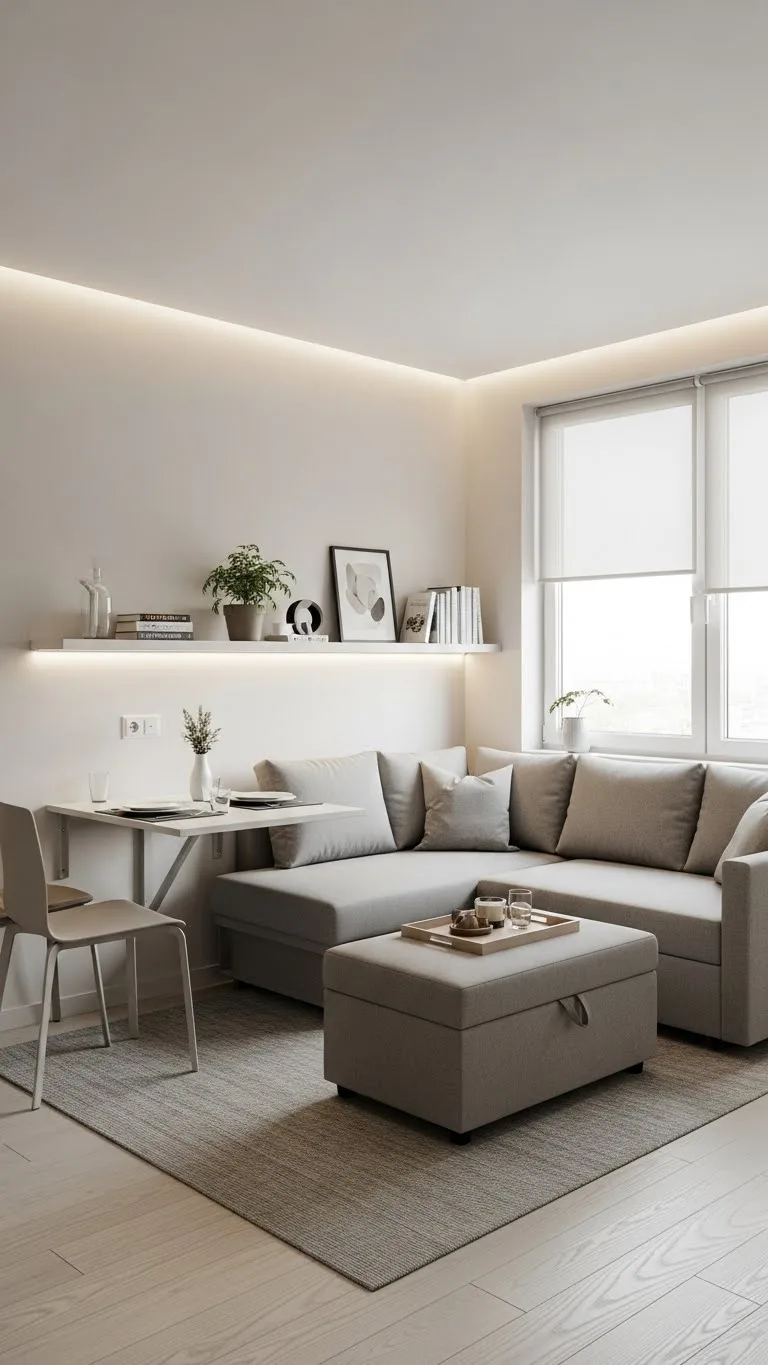
2. Open Shelving: Instead of bulky cabinets, open shelves maintain a spacious feel. Display curated decor pieces or a few books, giving the illusion of depth.
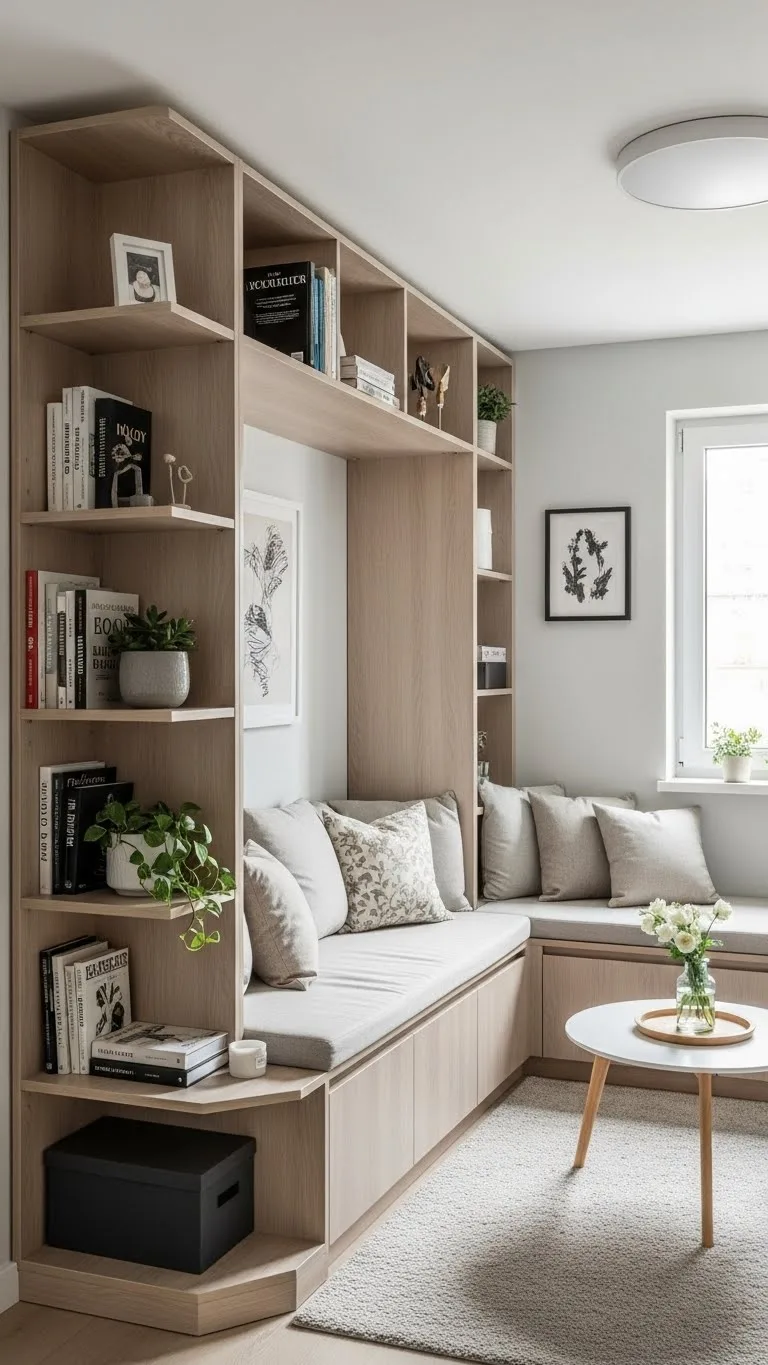
3. Neutral Color Palettes: Light colors can significantly impact how spacious a room feels. Soft whites, beiges, and pastel tones reflect light, making the room visually larger.
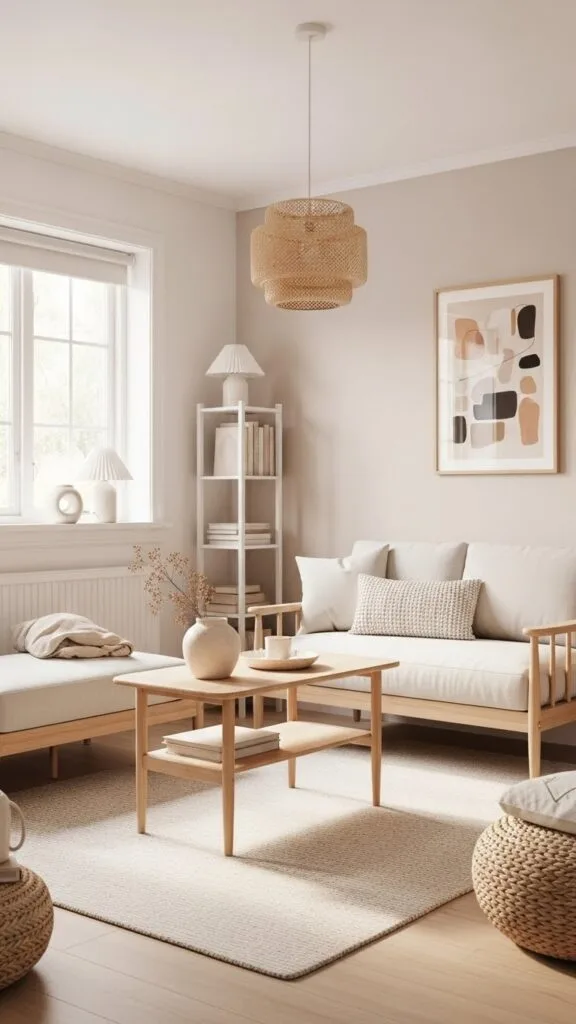
4. Mirrored Surfaces: mirrors not only reflects light but also creates a depth that can make a tiny room feel expansive. Consider a large, decorative mirror as your main accent piece.
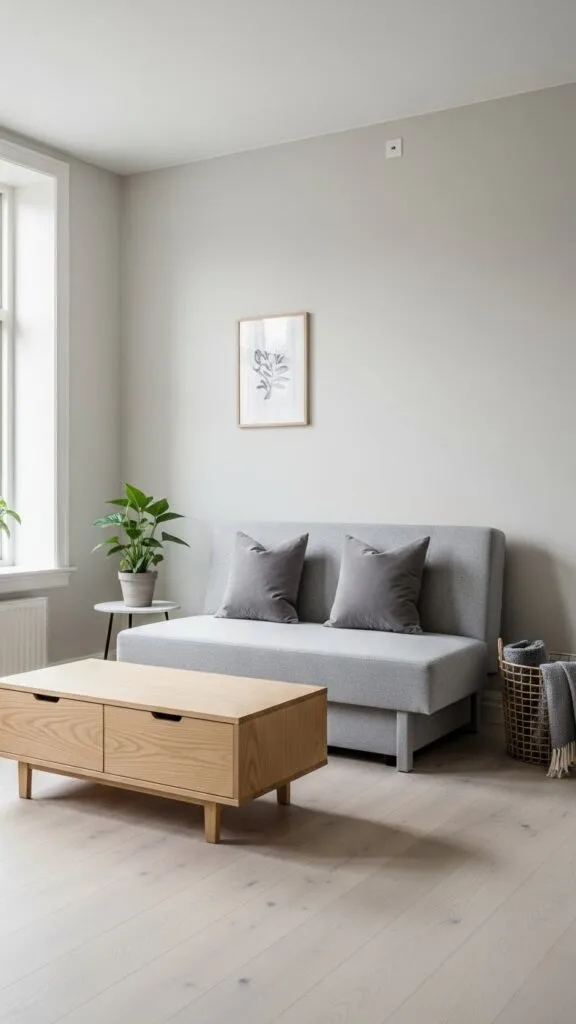
5. Vertical Space Utilization: Utilize vertical wall space with tall bookshelves or wall-mounted art that draws the eye upward, enhancing the sense of height in the room.
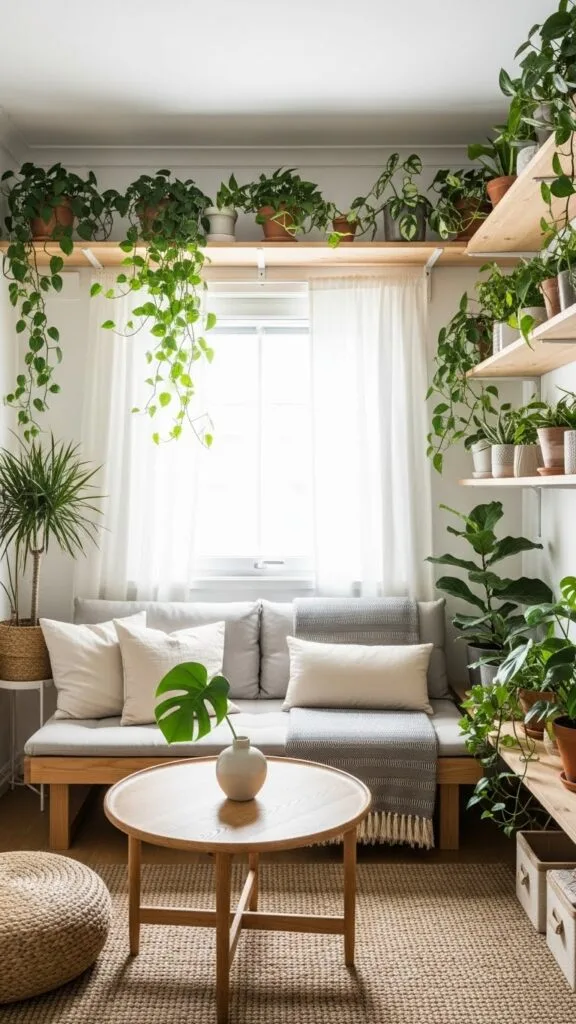
6. Glass Furniture: Transparent furniture pieces, such as glass coffee tables or acrylic chairs, visually open up the space, allowing light to flow freely.
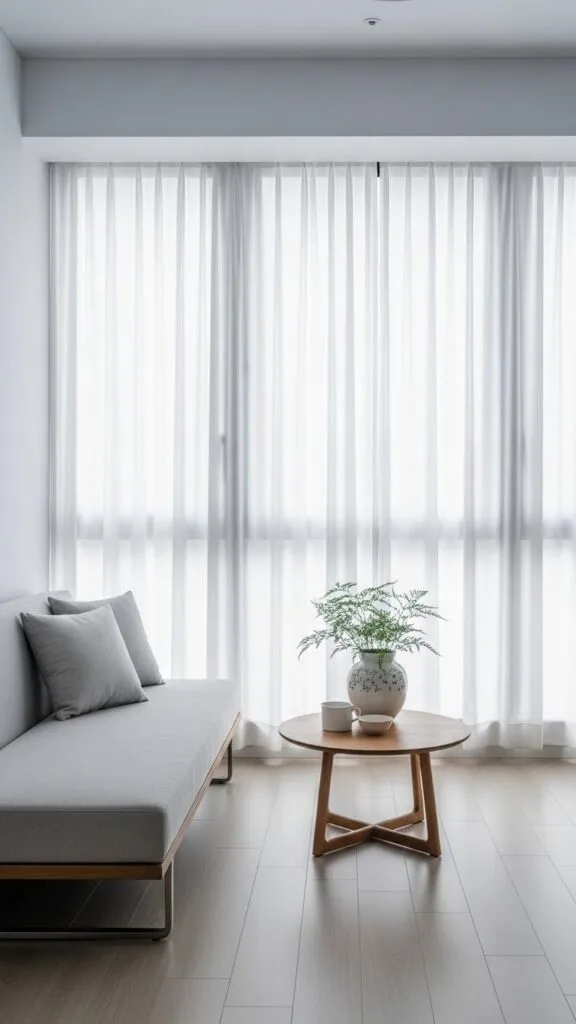
7. Defined Zones: Use rugs or furniture arrangement to create distinct zones within a tiny living room. This can help compartmentalize the area and make it feel more spacious.
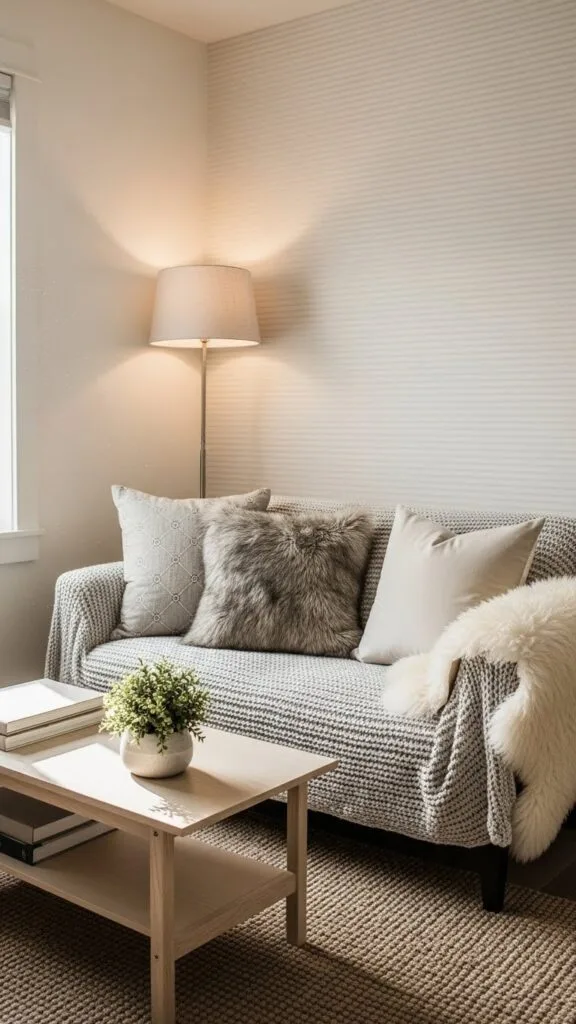
8. Simplistic Decor: Opt for minimalistic decor choices that avoid overcrowding. Fewer items lead to a less cluttered appearance, contributing to a cozier yet spacious feel.
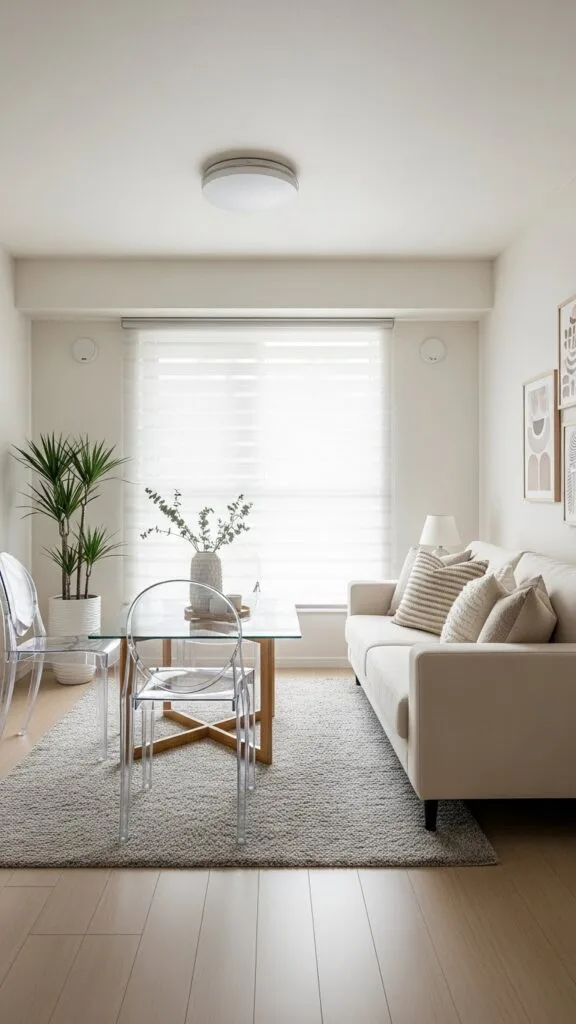
9. Larger Artwork: Large-scale art pieces can serve as focal points in a tiny room. They redirect attention and create an illusion of depth, effectively distracting from the room’s size.
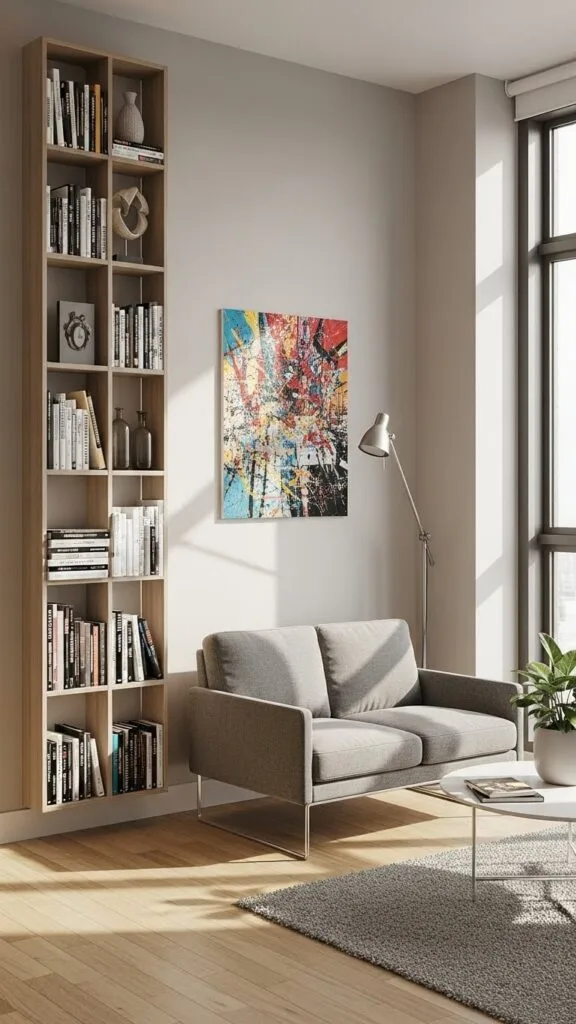
10. Sliding Doors: Instead of traditional doors, sliding doors can save space and keep flow intact, contributing to an open, airy environment.
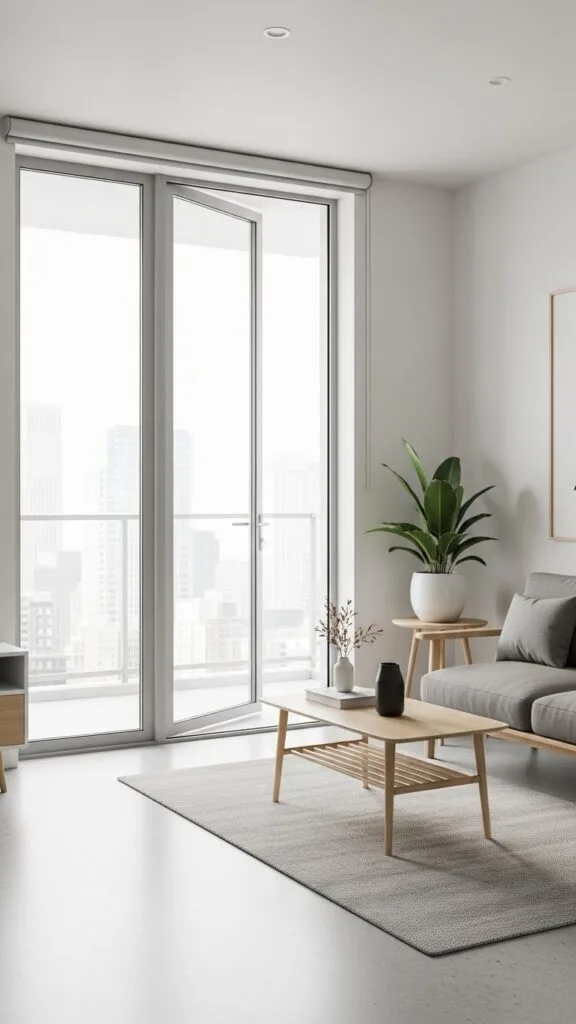
11. Natural Light: Maximize natural light through large windows or glass doors, enhancing the feeling of openness in any tiny living room.
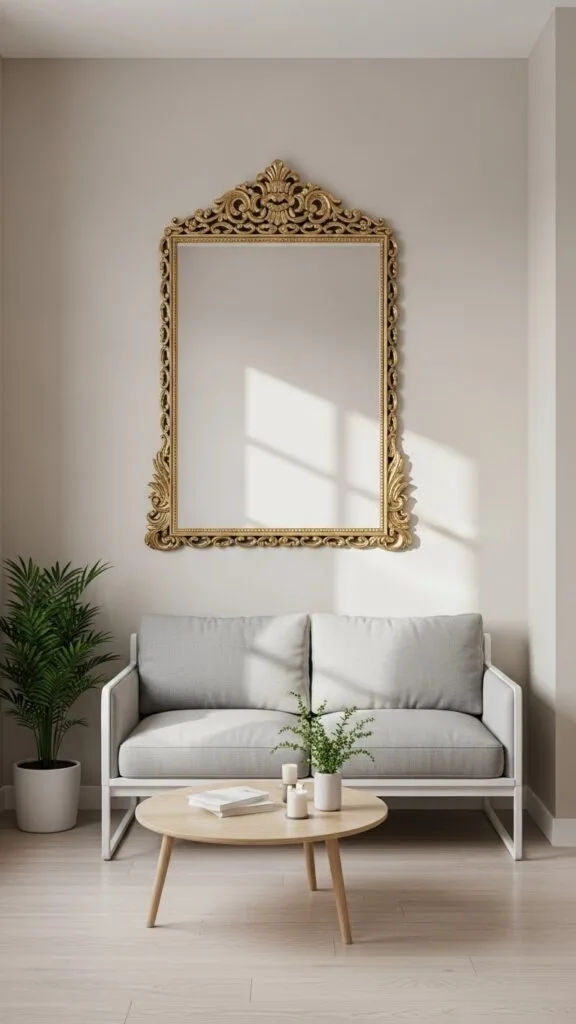
12. Integrated Technology: Smart home technology can minimize the need for cluttered electronics. Wireless speakers and integrated lighting solutions can streamline the design.
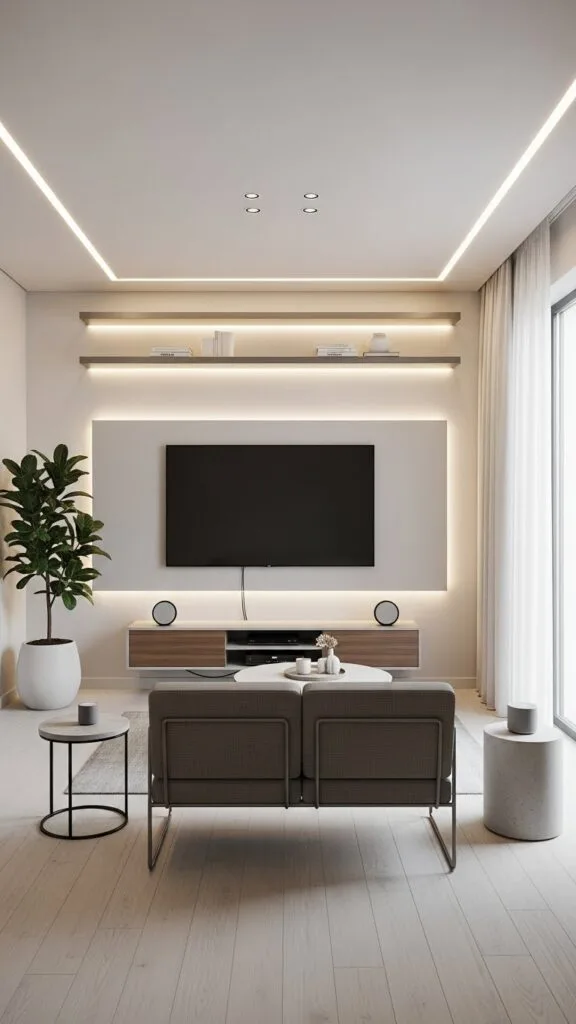
13. Foldable Furniture: Tables and chairs that fold away can be conveniently stowed when not in use, keeping the room clear and spacious.
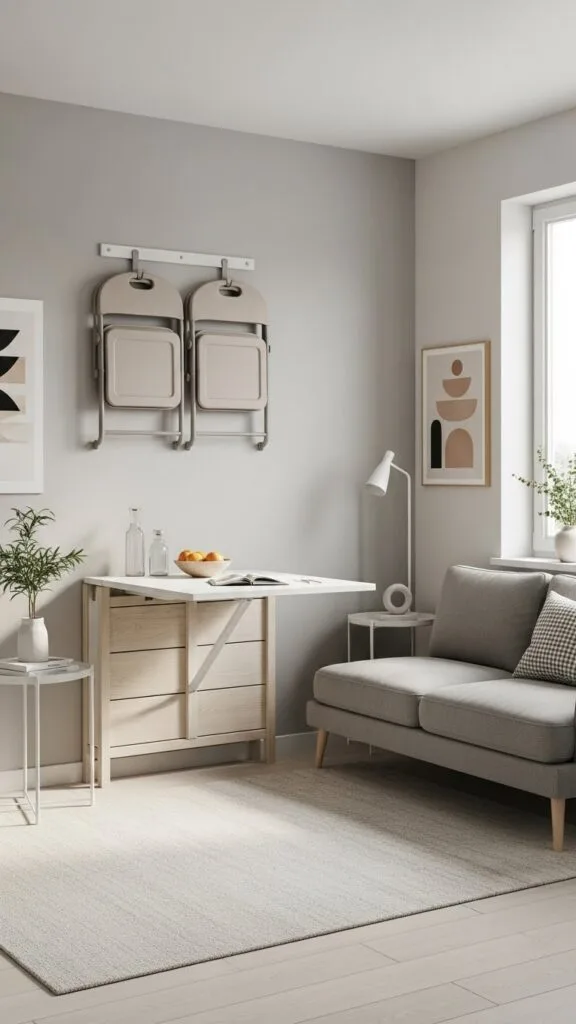
14. Sunk-in Seating: Incorporate seating that is built into the walls. This can save floor space while providing comfortable options for relaxing.
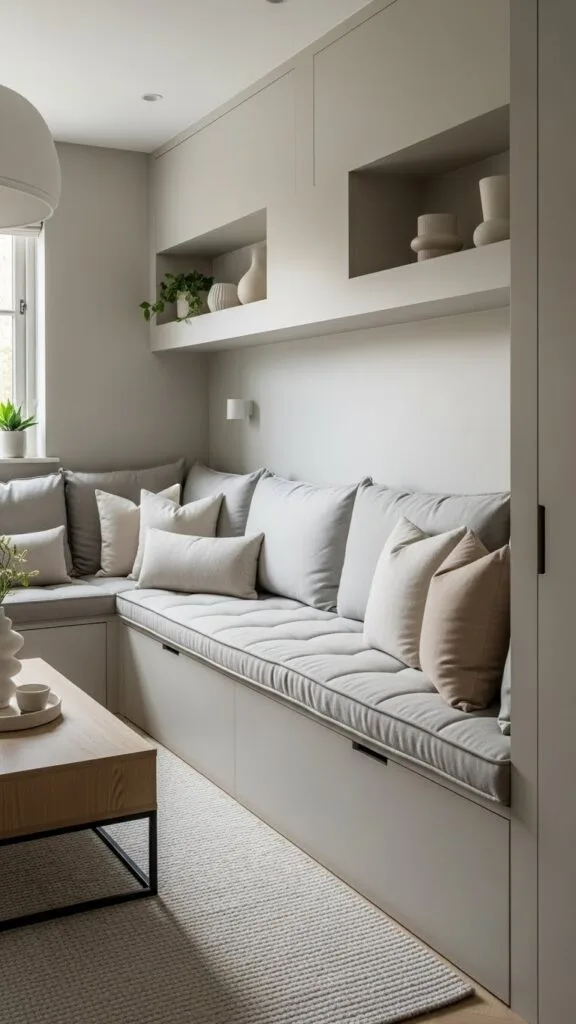
15. Accent Walls: A bold accent wall can create a stunning focal point while leaving other walls light and airy, contributing to the overall spaciousness.
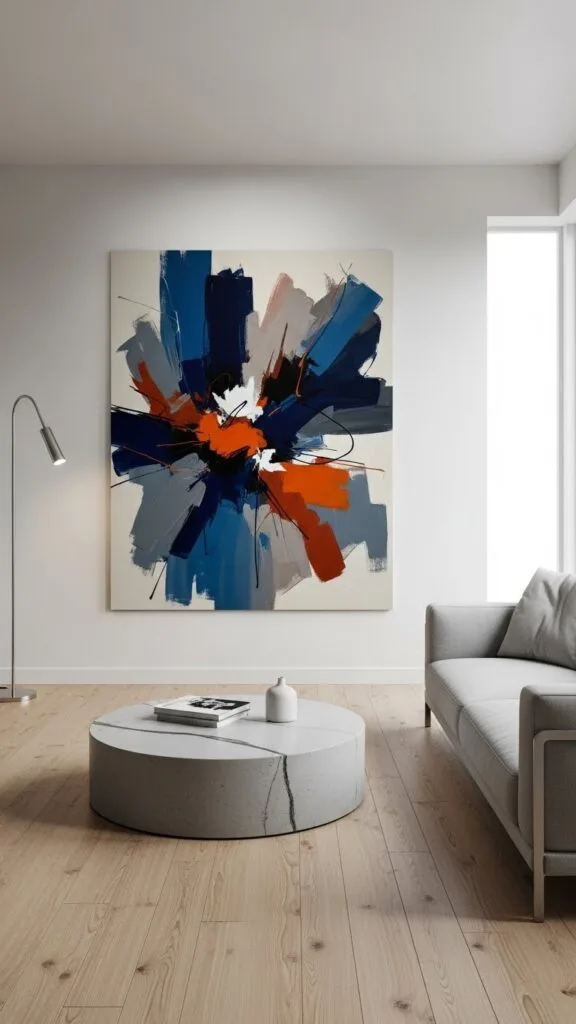
16. Layered Lighting: Mixing ambient, task, and accent lights can create depth and warmth, making the area feel livable and generous in size.
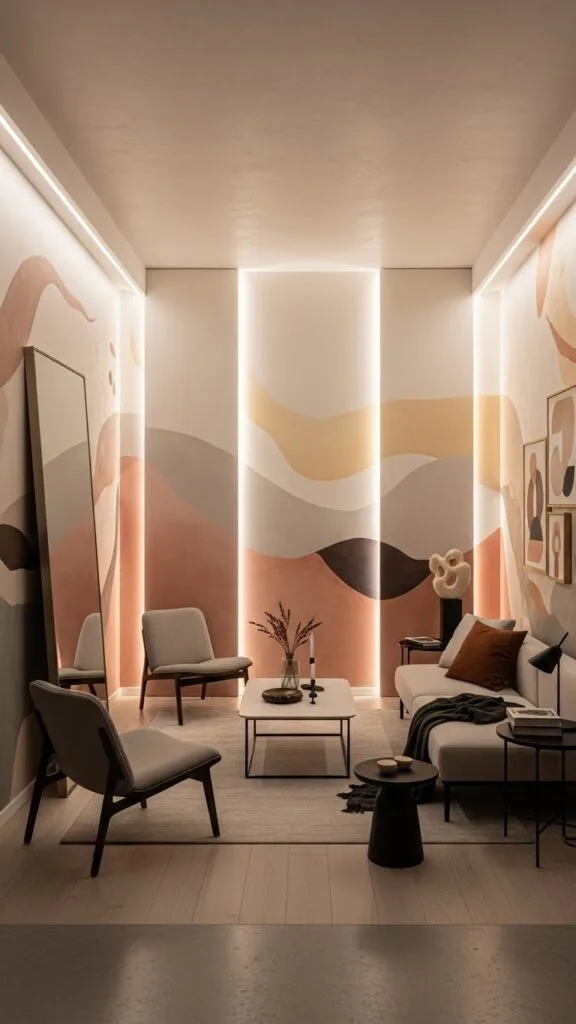
17. Minimal Window Treatments: Light curtains or no window treatments at all can add to the openness. Consider sheer fabrics that let natural light shine through.
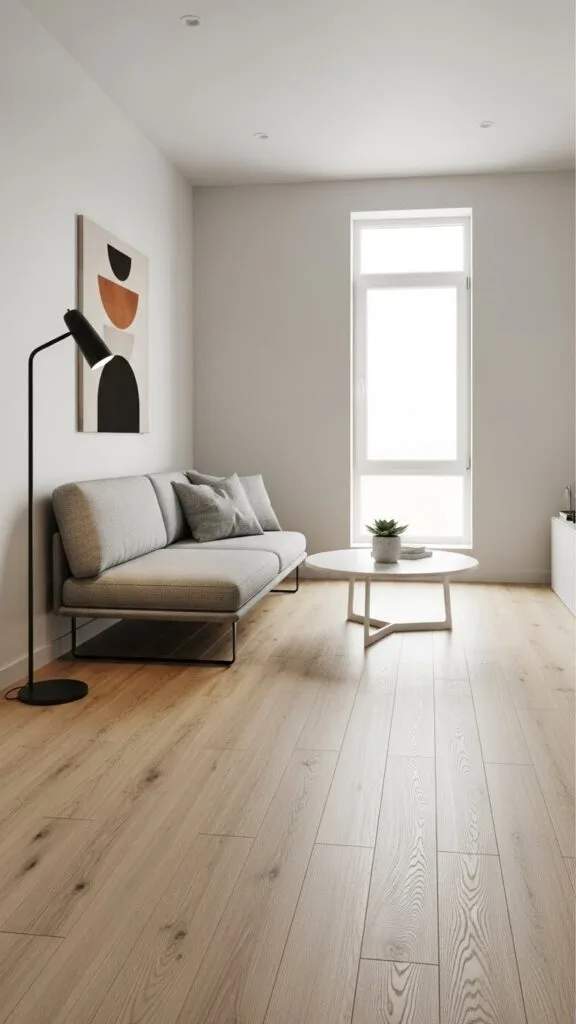
18. Strategic Plant Placement: Indoor plants can add life without taking up substantial space. Position them high on shelves for added vertical interest.
19. Texture Play: Include a variety of textures through fabrics and materials to enhance visual interest without overcrowding the space.
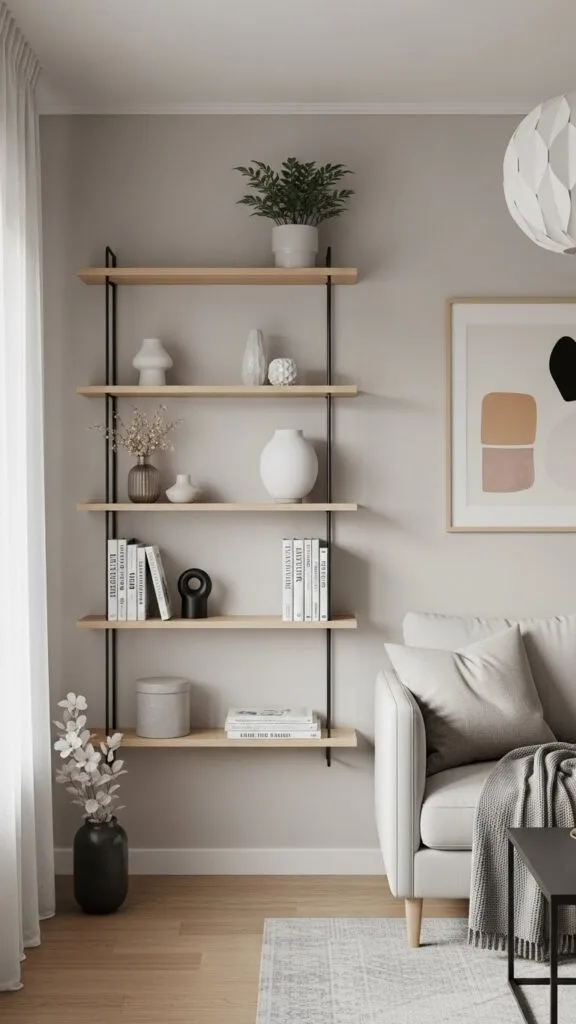
20. Floating Furniture: Furniture pieces that hover off the ground can create an illusion of more floor space and maintain a clean sightline.
21. Walls as Art: Painted or textured walls can become a living art installation, reducing the need for additional decor.
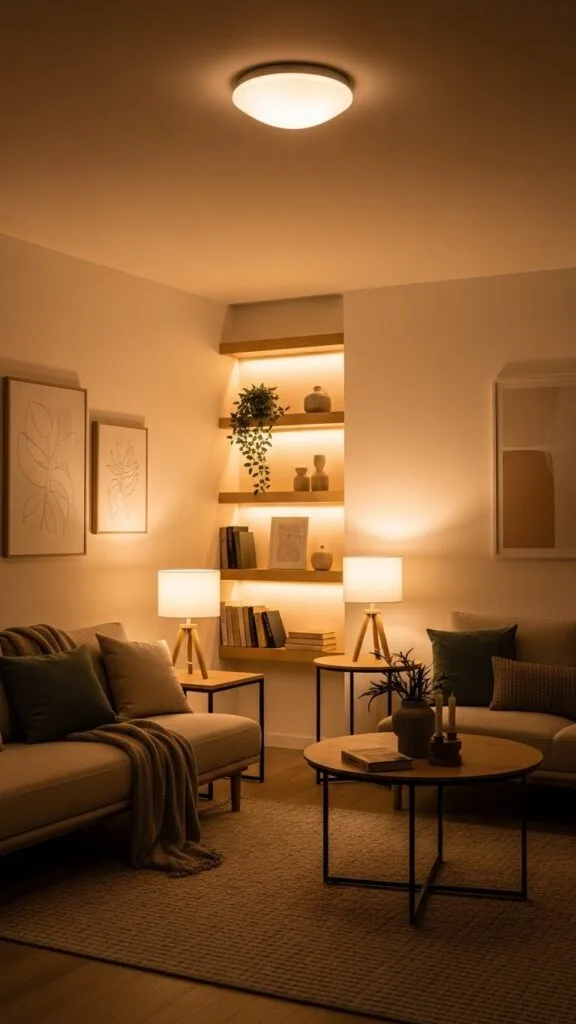
22. Custom Built-ins: Built-in furniture solutions can tailor fit to the exact size of your living room and provide integrated storage options that blend seamlessly.
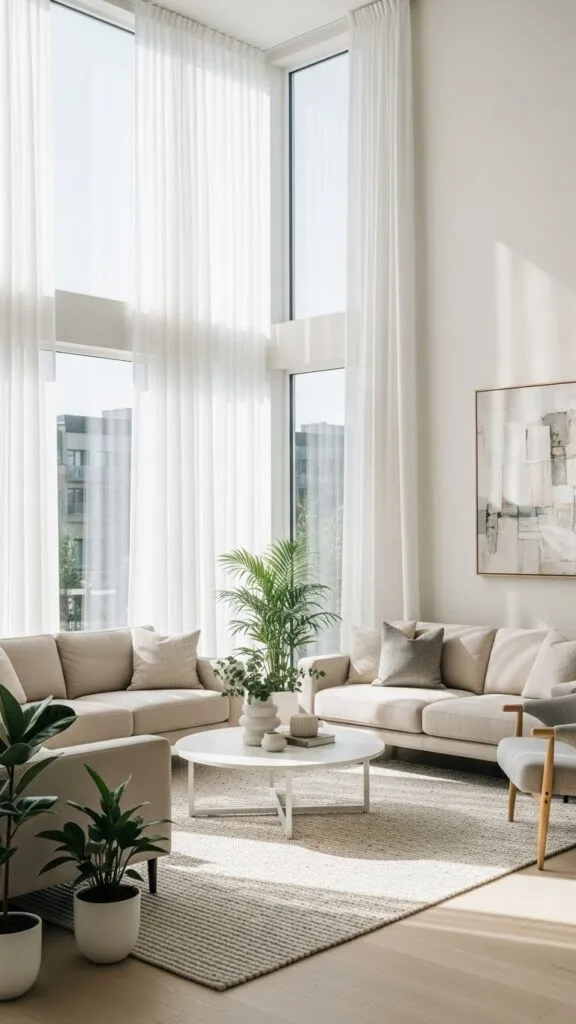
23. Continuous Flooring: Maintaining a consistent flooring type throughout the tiny living room helps extend the sightline, enhancing the feeling of space.
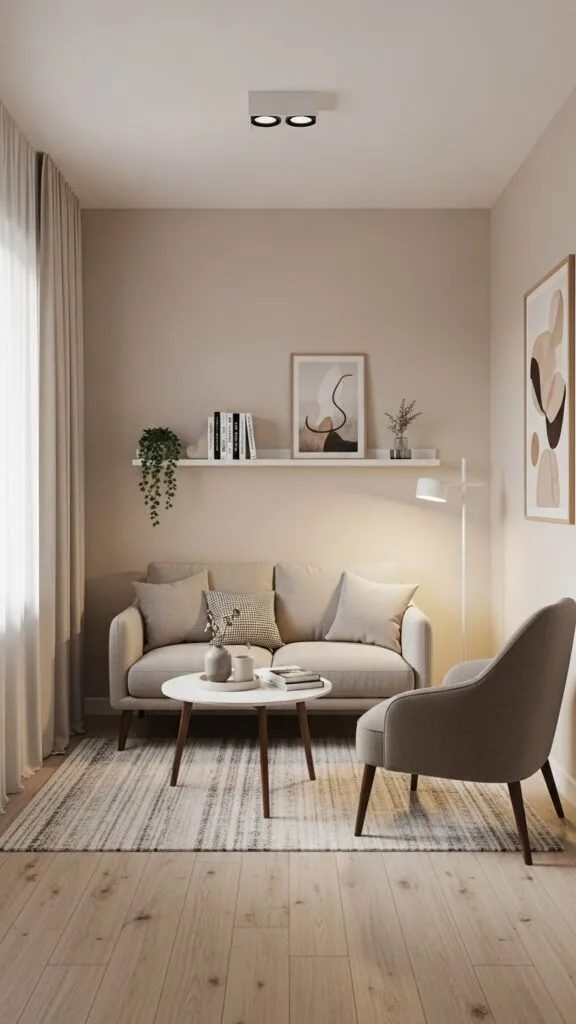
24. Architectural Details: High ceilings or a well-placed skylight can create the illusion of vastness, even in the tiniest living room.
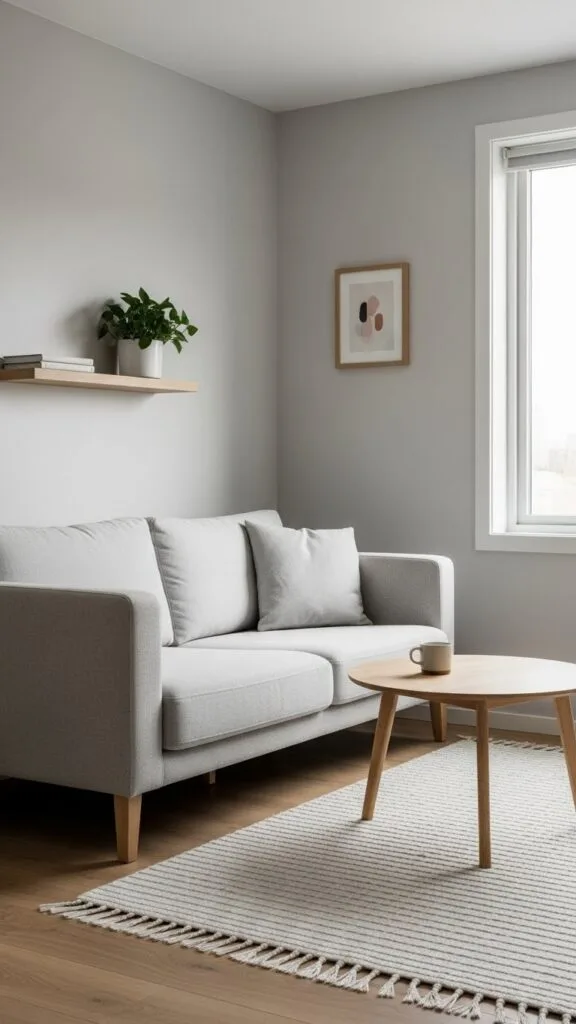
25. Collapsible Dual-Purpose Pieces: Having items that can serve two purposes, like a sofa that converts into a guest bed, is key to maximizing functionality in a compact space.
By implementing these innovative features, tiny living rooms can feel not just manageable, but also welcoming and spacious. Choosing the right elements will guide you towards creating a cozy and stylish environment in your limited square footage!
Color Schemes That Enhance Space Perception in Small Living Rooms
Creating the illusion of space in small living rooms can greatly enhance their comfort and appeal. One of the most effective ways to achieve this is through thoughtful use of color schemes. By selecting the right shades and combinations, you can make a compact area feel open and airy. Here we explore various color palettes that work wonders for small living rooms.
Light Colors Expand Perception
Light colors are known for their ability to create an expansive feel. When painted on walls, they reflect natural light, helping to brighten the room. Here are some color choices to consider:
- Soft Whites: Soft white hues enhance light and provide a serene backdrop.
- Pale Blues: Light blue shades can evoke a sense of calm and openness, making the space feel larger.
- Pastel Greens: Gentle greens bring the outdoors in, providing freshness without overwhelming the senses.
- Light Grays: This versatile color maximizes light while adding a modern touch.
Monochromatic Schemes
Monochromatic color schemes involve using varying shades of a single color. This approach maintains a cohesive look, making the space feel more unified and, therefore, larger. Here are some tips for utilizing a monochromatic palette:
- Darker Tones on the Floor: Use darker shades on flooring to ground the room while keeping walls lighter.
- Layering Textures: Incorporate different textures in the same color family to add depth while maintaining a streamlined look.
- Accent Pieces: Use occasional pops of color through decorative elements to break the monotony without overcrowding the space.
Trim and Accent Colors
It’s essential to choose trim and accent colors wisely. These can create a contrast that enhances architectural details while making a small living room feel more dynamic. Consider the following:
- Bold Accents: A bold accent color on one wall can create a focal point, drawing attention and giving the illusion of depth.
- Neutral Trims: Selecting neutral colors for trims and molding can frame the room without overwhelming it.
- Ceiling Colors: Painting the ceiling a lighter variation of the wall color can increase perceived height.
Complementary Color Pairings
Using complementary colors—those opposite each other on the color wheel—can add vibrancy without making the room feel cramped. Here’s how to choose effective pairs:
- Blue and Orange: Pairing a soft blue with orange accents can create a lively, welcoming atmosphere.
- Yellow and Purple: Light yellow walls with deep purple decor bring a balanced, sophisticated vibe.
- Green and Red: Soft, muted greens paired with subtle reds can add warmth without causing visual clutter.
Creating Depth with Color
Darker colors in furniture or decor can provide an exciting contrast while maintaining an airy ambiance. Here’s how to effectively achieve depth:
- Anchor with Dark Furniture: Dark sofas or chairs can ground the space while lighter wall colors encourage openness.
- Layering Colors: Use a gradient of colors from darker at the bottom to lighter at the top for visual interest.
- Utilizing Mirrors: Pair dark walls with strategically placed mirrors to reflect light and create multiple dimensions.
Unique Patterns and Prints
Patterns can significantly impact how space is perceived. While it’s advisable to use them sparingly in small living rooms, they can make a statement. Here are some considerations:
| Pattern Type | Effect on Space |
|---|---|
| Stripes | Vertical stripes can make ceilings appear higher. |
| Geometric | Geometric patterns create structure without overwhelming. |
| Floral | Small-scale florals offer charm while maintaining a light feel. |
The right color schemes into your small living room can transform it into a stylish yet spacious environment. Remember to balance color and style, allowing your unique personality to shine through while maximizing the sense of space.
Multifunctional Furniture: The Key to Maximizing Tiny Living Areas
Living in a small space can be challenging, especially when it comes to design and functionality. However, multifunctional furniture can turn your tiny living area into a cozy and efficient environment that feels spacious. It’s all about making smart choices that maximize every square inch. Here’s how to make the most of your tiny living room with multifunctional pieces.
1. Top Advantages of Multifunctional Furniture
Opting for multifunctional furniture offers several advantages, especially in a compact living area:
- Space-Saving: These pieces combine multiple functions, reducing the need for excess furniture.
- Flexibility: You can easily rearrange and adapt your furniture to fit your changing needs.
- Cost-Effective: Investing in one multifunctional piece often saves money compared to purchasing separate items.
- Design Cohesion: You can create a stylish look with furniture that complements each other in style and color.
2. Must-Have Multifunctional Furniture Pieces
Specific multifunctional furniture can significantly optimize your tiny living area. Here are some top recommendations:
| Furniture Type | Functionality |
|---|---|
| Sofa Bed | Acts as both a couch and a bed for guests. |
| Ottoman | Serves as a footrest, extra seating, and can even provide storage. |
| Coffee Table with Storage | Holds items like books or games while functioning as a table. |
| Fold-down Desk | Provides a workspace that can be easily hidden away when not in use. |
| Bookshelves with a Fold-down Table | Utilizes vertical space and doubles as a dining area or work surface. |
3. Design Tips for Maximizing Space
Beyond choosing the right furniture, there are additional strategies to enhance the spaciousness of a tiny living room:
- Use Light Colors: Light-toned furniture can make a room feel more expansive. Choose whites, pastels, or light grays to enhance the natural light.
- Mirrors: Incorporate mirrors to create an illusion of depth, making the room appear larger.
- Vertical Storage: Maximize vertical space with shelves, hooks, and tall cabinets, clearing up floor space.
- Minimalist Style: Keep decorations and accessories to a minimum. A clean, uncluttered space feels more open.
- Multipurpose Zones: Use different areas of your living room for various functions, such as a reading nook that can double as a workspace.
4. Transforming Your Tiny Living Room
Transforming your living room into a spacious haven involves strategic thinking and clarity in design. By selecting multifunctional furniture pieces that adapt to your needs, you can create a space that is not only practical but also aesthetically pleasing. Picture a sofa bed that allows for unexpected guests or an ottoman that hides away your belongings while providing extra seating. Each piece serves multiple purposes, making your living room feel much larger than its actual size.
5. The Importance of Comfort
While functionality is critical, comfort shouldn’t be overlooked. Ensure your furniture is cozy so that you and your guests can enjoy the space fully. Look for well-cushioned options that also offer the versatility needed for multifunctional use. Balance is key—achieving a comfortable yet practical environment contributes to the overall feel of spaciousness.
6. Final Thoughts on Tiny Living Room Designs
Choosing multifunctional furniture is an effective strategy for anyone living in a tiny space. By making thoughtful selections, incorporating smart design tips, and focusing on comfort, you can enjoy a beautiful living room that feels airy and spacious. Remember, it’s all about making your small footprint work for you. Your home can be both cozy and efficient—embrace the possibilities of multifunctional designs.
The Role of Lighting in Creating an Airy Atmosphere in Compact Spaces
Creating an airy and spacious atmosphere in compact spaces is essential for many homeowners, especially those living in urban environments or smaller homes. One of the most effective ways to achieve this illusion of space is through smart lighting choices. When utilized correctly, lighting can dramatically transform the feel of a room. Here, we explore how different lighting techniques and fixtures can enhance the aesthetic and functional aspects of tiny living environments.
Natural Light: The Most Valuable Resource
Maximizing natural light is the first step in making any space feel larger. Here are some effective strategies:
- Utilize Sheer Curtains: Opt for light, sheer fabrics that allow sunlight to filter through while maintaining privacy. This creates a soft glow in the room, making it more inviting.
- Keep Windows Unobstructed: Avoid large furniture pieces near windows. Keeping the window area clear allows light to enter freely.
- Mirrors Enhance Light Reflection: Place mirrors strategically to reflect natural light. This not only makes the room feel larger but also enhances its brightness.
Layered Lighting Techniques
In addition to natural light, using various types of artificial lighting can help create depth and enhance the overall ambiance. Consider these layered lighting strategies:
- Ambient Lighting: Use ceiling fixtures or recessed lights to provide overall illumination. This creates a warm foundation for your lighting.
- Task Lighting: Include focused lighting, such as desk lamps or reading lights, in areas where you need specific light for activities. This adds functionality without overwhelming the space.
- Accent Lighting: Incorporate wall sconces or LED strips to highlight artwork or architectural features. This draws the eye upward or across the walls, adding to the sense of spaciousness.
Color Temperature and Brightness
The color temperature of your lighting can dramatically affect how spacious a room feels. Warmer tones (around 2700K to 3000K) create a cozy atmosphere, whereas cooler tones (4000K and above) offer a cleaner, brighter look.
Additionally, consider the brightness of your lights. A well-lit space will feel larger than one that lacks sufficient illumination. Here are key points to remember:
- Adjustable Brightness: Use dimmable lights to easily change the atmosphere based on the time of day or occasion.
- Use LED Bulbs: LEDs are not only energy-efficient but also available in various color temperatures, providing versatility to your lighting options.
Strategic Fixture Selection
The type of light fixtures you choose also plays a vital role in shaping the overall feel of a room:
- Ceiling Fixtures: Choose flush mounts or small chandeliers to avoid clunky designs that may overpower a tiny space.
- Wall Sconces: These can free up floor space while providing adequate lighting and adding a decorative touch.
- Table and Floor Lamps: Select lightweight lamps with slim designs, allowing for easy repositioning and avoiding overcrowding.
Lighting Placement
How and where you place your lighting can redefine a compact area. Here are some placement techniques to consider:
- High Corners: Placing lights high up, such as in corners or on top of bookcases, can illuminate the entire room without taking up valuable space.
- Integated Lighting: Built-in lighting solutions, like under-cabinet lights in kitchens, can brighten dark spots and make areas more functional.
Understanding the role of lighting in creating an airy atmosphere in compact spaces is pivotal for interior design enthusiasts. By utilizing natural light, layering artificial lighting, selecting appropriate color temperatures, choosing suitable fixtures, and placing them strategically, you can enhance even the smallest living room. Investing time and thoughtful strategies into your lighting choices can make your compact space feel open, inviting, and full of life.
Inspirational Nature-Inspired Decor Ideas for Tiny Living Rooms
Creating a living space that feels connected to nature can transform a tiny living room into a serene oasis. The right decor choices can make even the smallest rooms feel larger and more inviting. Embracing nature-inspired decor ideas can not only enhance your aesthetic but also promote a sense of calm and wellness. Here are some inspiring ideas to help you bring the beauty of the outdoors inside your cozy space.
Earthy Color Palette
When decorating a tiny living room, opt for a color scheme that reflects the natural world. Earthy tones such as soft greens, warm browns, and muted blues can enhance the openness of the space. These colors mimic natural landscapes and help create a harmonious environment. Consider the following tips for your color palette:
- Choose light shades for walls to reflect light and make the space feel larger.
- Incorporate darker tones in your furniture or accents to ground the room.
- Use textiles with botanical prints to add a pop of nature without overwhelming the space.
Natural Materials
Incorporate natural materials into your living room decor. Elements like wood, stone, and rattan can evoke a sense of the outdoors while adding warmth and texture. Consider the following materials and their uses:
| Material | Usage |
|---|---|
| Wood | Furniture, shelving, and decor accents |
| Stone | Fireplaces, tabletops, and decorative pieces |
| Rattan | Chair frames, baskets, and decorative accents |
Greenery and Plants
Bringing indoor plants into your tiny living room can greatly enhance its natural feel. Not only do plants improve air quality, but they also add vibrant life to your space. Here are some ideal plants to consider:
- Snake Plant: Low maintenance and tolerant of low light.
- Pothos: Trailing vines that look great in hanging planters.
- Spider Plant: Hardy, with long, cascading leaves.
- Succulents: Perfect for small spaces and require minimal care.
Natural Light Enhancement
Maximizing natural light in your tiny living room can create a more spacious vibe. Large windows, mirrors, and light-colored decor can help achieve this effect. Consider these strategies:
- Use sheer curtains to allow light to filter through while providing privacy.
- Position mirrors opposite windows to reflect light and create the illusion of more space.
- Avoid heavy drapes that block sunlight; choose lighter fabrics instead.
Nature-Inspired Artwork
Adding artwork that features natural themes can enhance the nature-inspired decor. This can include landscapes, botanical prints, or abstract pieces inspired by organic shapes. Position artwork strategically to draw the eye and add depth:
- Hang a large canvas over the sofa for a focal point.
- Curate a small gallery wall with various nature-themed pieces for an engaging look.
- Include framed photographs of landscapes for a personal touch.
Textured Fabrics
Textures play a critical role in making a space feel cozy while invoking the natural world. Opt for fabrics that remind you of nature, such as:
- Jute rugs that add a rustic feel.
- Wool blankets or throws for warmth.
- Linen or cotton cushions that are comfortable and breathable.
Minimalistic Furniture
In a tiny living room, minimalism is key. Choose furniture that is functional and doesn’t crowd the space. Consider multipurpose pieces like:
- Ottomans that can double as storage.
- Compact sofas that fit the scale of the room.
- Side tables that can nest for easy storage.
By embracing these nature-inspired decor ideas, you can create a tiny living room that feels open, inviting, and rejuvenating. Incorporate these elements thoughtfully, and enjoy the tranquil and spacious atmosphere they bring to your home.
Conclusion
When considering the design of tiny living rooms, innovation and creativity are crucial in ensuring these spaces feel open and welcoming. unique features, such as built-in shelving or convertible furniture, can significantly enhance both functionality and aesthetics. By choosing color schemes that brighten the room, like soft pastels or light neutrals, you can create a sense of openness that makes even the smallest areas feel larger.
Multifunctional furniture becomes a game changer in maximizing space. Items such as ottomans that double as storage and wall beds that fold away not only save space but also maintain an uncluttered look, making your living room more enjoyable.
Lighting plays an equally important role in creating an airy atmosphere. Utilizing natural light through large windows or employing layered lighting with floor lamps and wall sconces can work wonders in transforming a compact area into a bright and inviting haven.
Bringing elements of nature into your design can breathe life into these small spaces. Nature-inspired decor, such as plants or earthy tones, promotes a sense of calm and expands visual dimensions through texture and organic shapes.
By integrating these innovative features, lighting solutions, and nature-inspired elements, you can create a tiny living room in 2026 that feels not only spacious but also truly reflective of your style. Embrace these strategies to craft a cozy, functional, and open space that you will love to inhabit.