11 Living Room Ideas & Trends Defining Homes in 2026
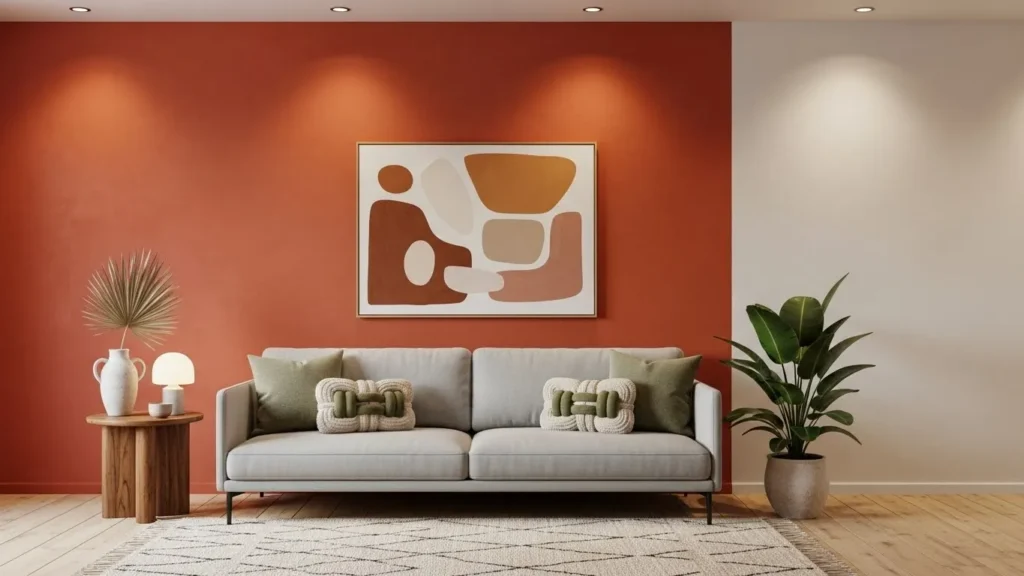
The year 2026 brings a fresh perspective on how we design and use our living rooms. People are moving away from one-size-fits-all decorating and embracing designs that reflect their individual personalities. This shift means you have more freedom than ever to create a space that truly represents who you are. The trends emerging this year balance functionality with aesthetics, ensuring your living room works as hard as it looks beautiful.
Warm and Earthy Color Palettes Transform Living Spaces
Gone are the days of cold, sterile living rooms. In 2026, warm, earthy tones are dominating design choices. Think terracotta, warm beige, soft rust, and muted olive greens. These colors create a cozy atmosphere that makes people feel immediately comfortable when they enter your space. Layering these warm tones through your furniture, walls, and accessories creates depth and visual interest without feeling overwhelming.
The beauty of earthy color palettes is their versatility. You can combine warm browns with soft creams for a sophisticated look, or pair terracotta with sage green for a more natural, organic feel. These colors also pair beautifully with natural light, making your living room feel brighter and more inviting throughout the day.
Sustainable and Eco-Friendly Furniture Takes Center Stage
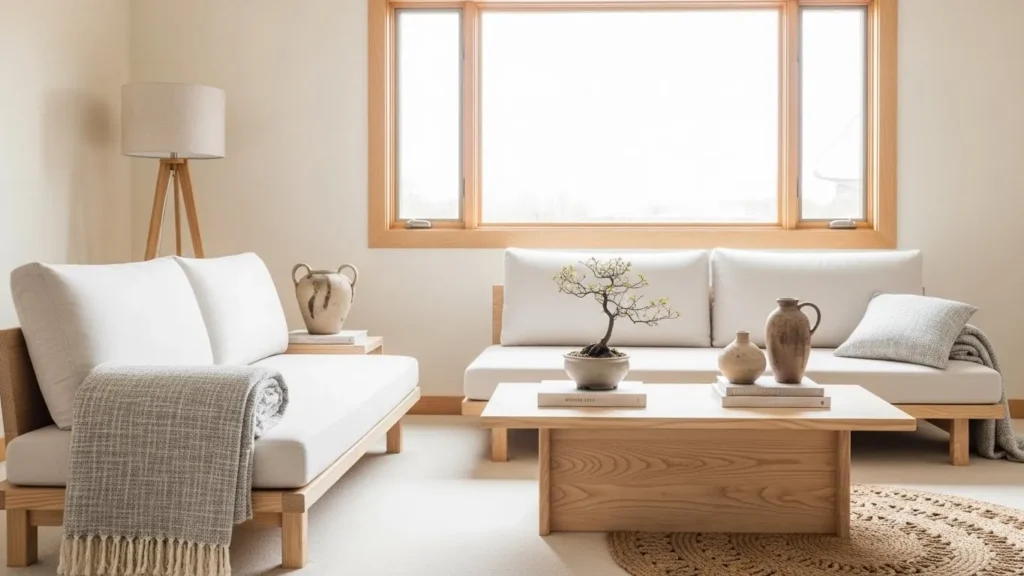
Environmental consciousness is reshaping how people choose furniture for their homes. In 2026, sustainable materials are no longer a luxury but a standard expectation. Homeowners are seeking pieces made from reclaimed wood, recycled fabrics, and responsibly sourced materials. This trend reflects a broader commitment to protecting our planet while creating stylish living spaces.
Choosing eco-friendly furniture doesn’t mean sacrificing style or comfort. Many furniture makers now specialize in sustainable pieces that look stunning and feel amazing. When you invest in quality, environmentally conscious furniture, you’re also investing in longevity. These pieces are built to last, which means fewer replacements over time and less waste in our landfills.
Flexible and Modular Seating Arrangements Offer Adaptability
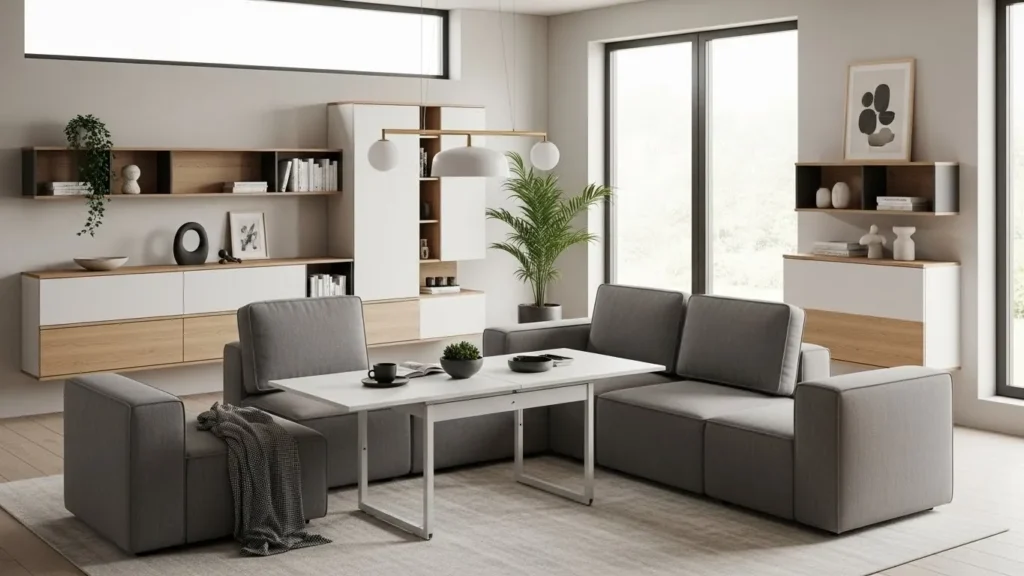
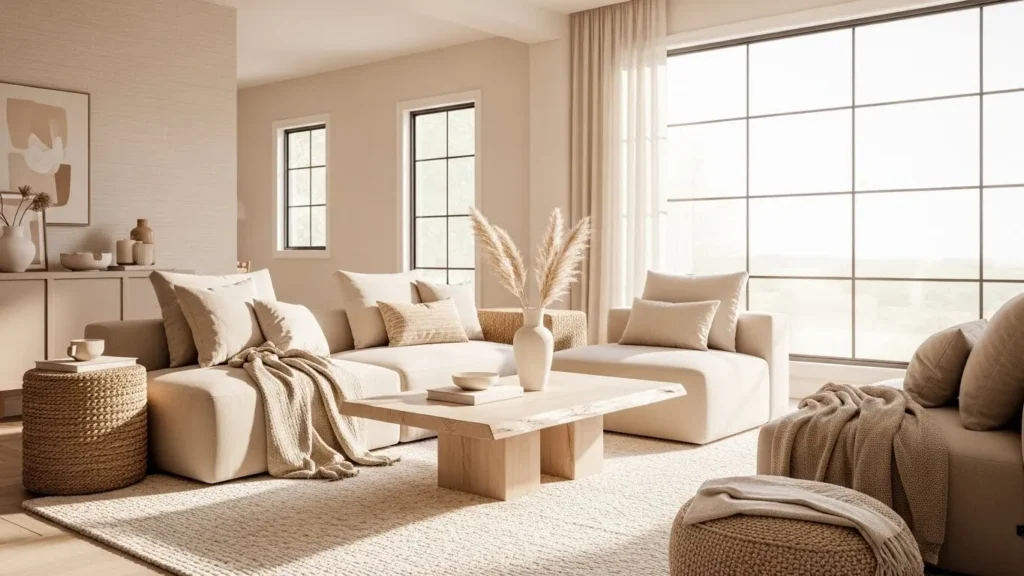
The way we use our living rooms continues to change. More people are working from home, hosting smaller gatherings, and seeking flexible spaces that adapt to their needs. Modular seating arrangements give you the freedom to reconfigure your living room based on how you’re using it that day. A sectional might be perfect for movie night, while rearranged pieces create an ideal setup for a work meeting.
Modular furniture also makes moving easier. Instead of struggling with one massive sofa, you can move individual pieces. This flexibility appeals to renters and homeowners alike, making it easier to adapt your space as your life changes.
Biophilic Design Brings Nature Indoors
Connecting with nature has become increasingly important to people, and this influence is showing up in living room design. Biophilic design incorporates natural elements like plants, natural light, natural materials, and nature-inspired patterns into your space. This approach has been proven to reduce stress and improve overall well-being.
You don’t need to turn your living room into a jungle. Simple touches work beautifully. Large potted plants in corners, a living wall with smaller plants, natural wood shelving, or nature-inspired artwork can all bring this trend to your space. Even adding a water feature or using natural fiber rugs contributes to a biophilic aesthetic.
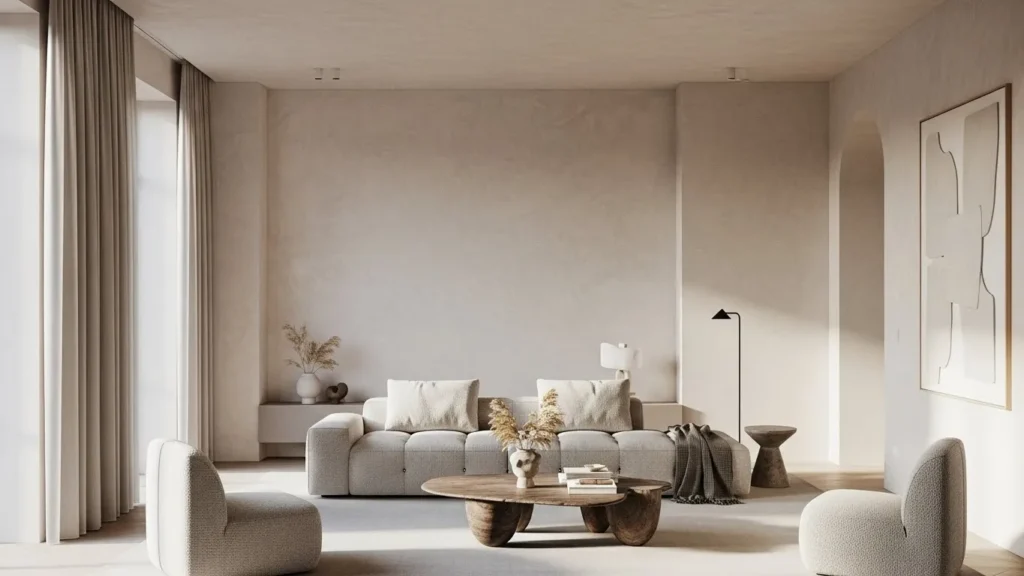
Statement Lighting Becomes a Design Focal Point
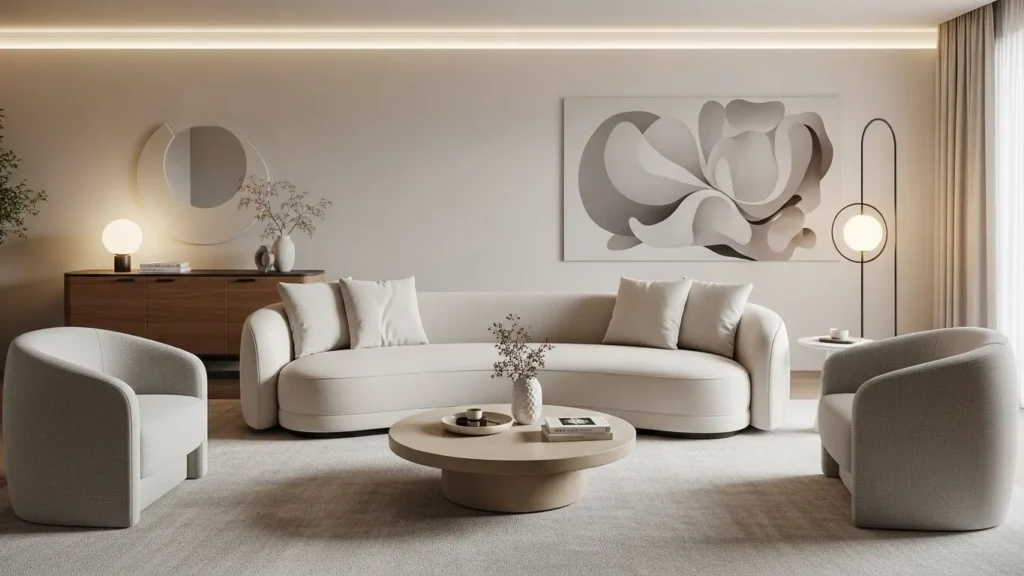
Lighting in 2026 goes beyond basic functionality. Pendant lights, chandeliers, and sculptural floor lamps are becoming statement pieces that define the style of your living room. Bold lighting fixtures draw the eye and set the mood for the entire space. Whether you choose vintage-inspired designs, modern minimalist styles, or artistic pieces, lighting is your chance to make a bold design statement.
Consider how different lighting affects the feel of your room. Warm light creates intimacy, while cooler tones feel more energizing. Layering different light sources gives you control over the ambiance and allows you to adjust the mood throughout the day.
Maximalist Design Embraces Personal Collections
Not everything has to be minimal and sparse. Maximalist design is having a major moment in 2026, celebrating color, pattern, and personal collections. If you love art, books, travel souvenirs, or decorative objects, this trend encourages you to display them proudly. The key is curating these items so they feel intentional rather than cluttered.
Maximalism is about telling your story through your space. Mixing patterns, layering textures, and displaying meaningful objects creates a living room that feels authentically yours. This approach celebrates individuality and makes your home a reflection of your unique taste.
Smart Home Technology Integrates Seamlessly
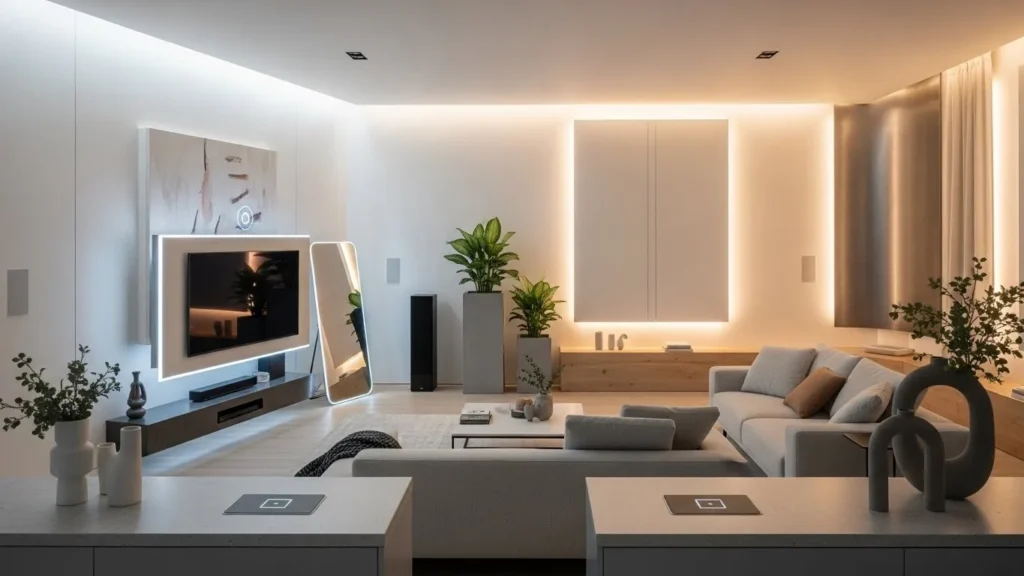
Technology continues to evolve, and in 2026, smart home features are becoming standard in modern living rooms. From voice-controlled lighting and temperature systems to entertainment screens that blend into your walls, technology is becoming invisible and intuitive. The goal is to enhance your living experience without making technology the focal point.
Smart home integration offers convenience and efficiency. You can adjust lighting and temperature without leaving the couch, control your entertainment systems with voice commands, and even monitor your home while away. The best smart installations feel like they disappear into the design rather than dominating it.
Textured Walls Add Depth and Character
Flat, painted walls are giving way to textured surfaces that add visual interest and dimension. Shiplap, textured wallpaper, venetian plaster, and wallcoverings with three-dimensional patterns are trending in 2026. These textured surfaces catch light differently throughout the day, creating movement and depth in your living room.
Textured walls work particularly well with warm, earthy color palettes. The combination of rich color and interesting texture creates a sophisticated, layered look that feels more expensive than it actually is. You can texture one accent wall or cover
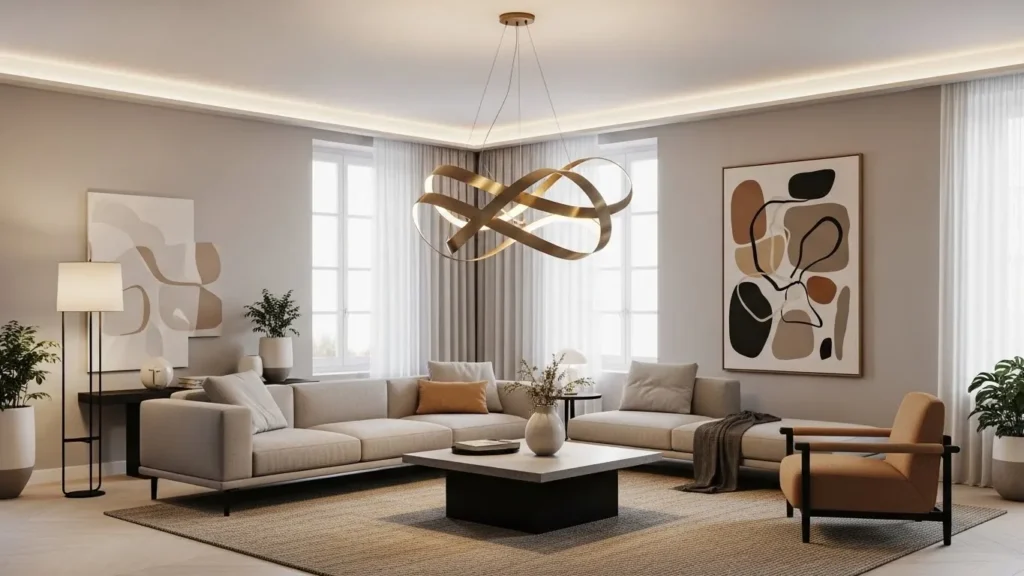
Sustainable Materials and Eco-Friendly Design Choices
When you walk into a modern living room in 2026, you’ll notice something different. The materials used are no longer just picked for their looks. Instead, homeowners are carefully considering where items come from, how they’re made, and what happens to them when they’re no longer needed. This thoughtful approach to design is reshaping living spaces across the country.
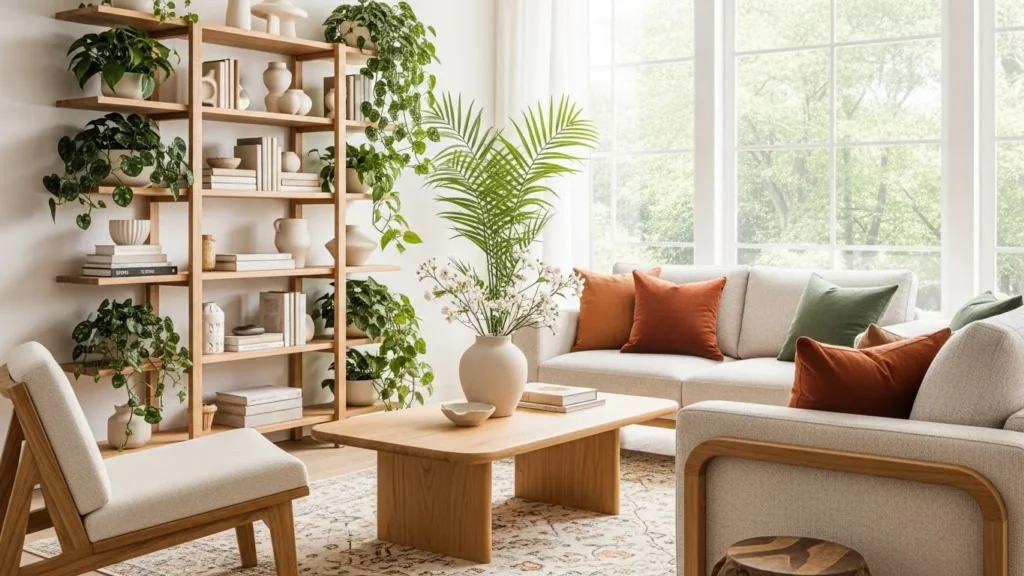
Natural Materials Taking Center Stage in Modern Living Spaces
Real wood is making a major comeback, but with a twist. Rather than using newly cut timber, many people are choosing reclaimed wood for their furniture and accent walls. This wood comes from old barns, factories, and buildings that are being demolished. Using reclaimed materials means fewer trees need to be cut down, and it gives your living room authentic character that new wood simply can’t match.
Bamboo has become another popular choice for living room furniture and flooring. It grows much faster than regular trees, making it a renewable resource. Bamboo furniture is lightweight, durable, and brings a natural warmth to your space. Many designers are incorporating bamboo shelving units, side tables, and even wall panels into living room designs that define homes in 2026.
Stone and clay materials are also gaining popularity. These natural elements add texture and elegance to living rooms while being completely sustainable. Homeowners are using natural stone for fireplace surrounds, accent walls, and decorative pieces that make their living rooms feel grounded and connected to nature.
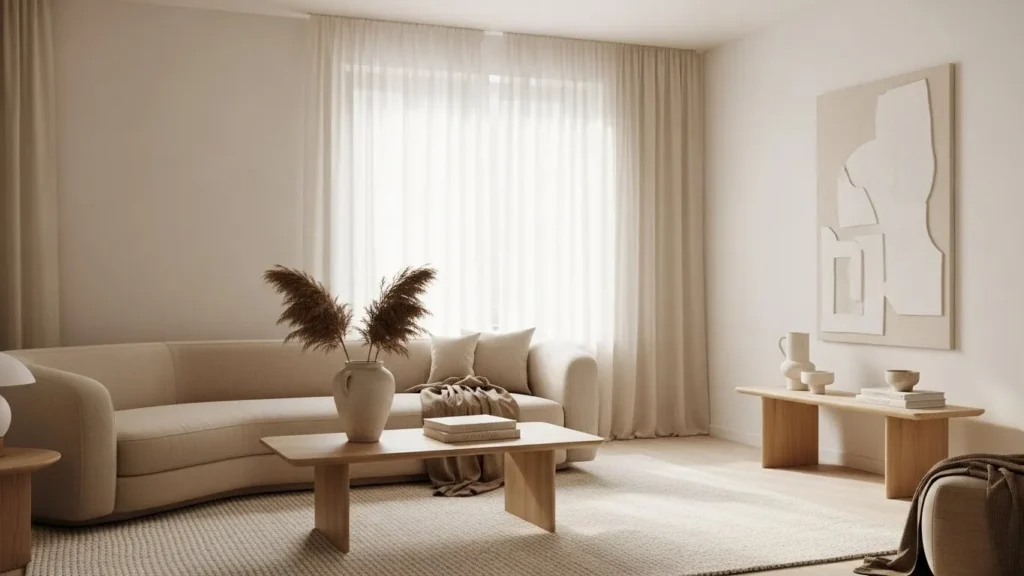
Transforming Living Rooms Through Organic Fabrics and Textiles
What you sit on matters just as much as what surrounds you. Organic cotton, linen, and wool are replacing synthetic fabrics in sofas, chairs, and cushions. These natural fibers are grown without harmful pesticides and chemicals, making them better for both your family and the environment. They also age beautifully, developing a rich patina over time that gives your living room a sophisticated look.
Hemp fabric is another game-changer for living room textiles. It’s incredibly durable, naturally resistant to mold and bacteria, and gets softer with every wash. Many manufacturers are now creating stunning throw pillows, area rugs, and window treatments from hemp that add visual interest while supporting sustainable practices.
Recycled polyester has transformed how we think about upholstery. Made from recycled plastic bottles and textile waste, this material keeps things out of landfills while providing the comfort and functionality modern homeowners expect. You can find beautiful rugs, curtains, and upholstered furniture made from recycled fibers that look indistinguishable from virgin materials.
Paints and Finishes That Breathe Life Into Your Space
The paint on your walls might seem like a small choice, but it makes a huge difference. Low-VOC and zero-VOC paints release few or no harmful chemicals into the air. Traditional paints release volatile organic compounds that can affect your indoor air quality. By choosing paints with lower VOC levels, you’re protecting your family’s health while making an environmentally conscious decision.
Natural plant-based paints are emerging as a premium option for 2026 living rooms. Made from clay, milk protein, and plant resins, these paints create beautiful finishes while being completely non-toxic. They’re breathable, which helps regulate humidity in your living room, and they’re biodegradable at the end of their life cycle.
Smart Furniture That Supports Your Lifestyle and Values
Modular furniture is reshaping how people furnish their living rooms. These pieces can be rearranged, adjusted, and updated without replacing everything. When designed with sustainable materials, modular furniture reduces waste because you’re not buying new pieces every few years. Instead, you’re investing in quality items that adapt to your changing needs.
Multi-functional furniture serves another purpose in eco-conscious living rooms. When your coffee table also provides storage, or your ottoman converts into a bed, you need fewer pieces overall. This approach keeps your living room uncluttered while reducing the demand for new furniture production.
Vintage and second-hand furniture is no longer viewed as a compromise. Buying used pieces gives them a second life and keeps them from ending up in landfills. Many living rooms in 2026 feature a beautiful mix of vintage finds paired with new sustainable pieces, creating unique spaces with character and purpose.
Lighting Solutions That Shine Sustainably
LED lighting has become standard in forward-thinking living rooms. These bulbs use significantly less energy than incandescent options and last much longer, meaning fewer replacements over time. Pairing LED lights with fixtures made from sustainable materials like reclaimed metal or wood creates ambient lighting that’s both beautiful and responsible.
Natural light is being maximized through window treatments made from sustainable fabrics. Light linen curtains, bamboo blinds, and organic cotton drapes allow sunlight to flood your living room while maintaining privacy and style. This reduces your reliance on artificial lighting during the day.
Creating Balance Between Beauty and Environmental Responsibility
The living room ideas and trends defining homes in 2026 prove that sustainability doesn’t mean sacrificing style or comfort. By choosing natural materials, organic textiles, low-VOC paints, and thoughtfully designed furniture, you’re creating a living space that looks stunning while supporting environmental health.
Start small if you’re new to eco-friendly design. Replace one piece of furniture with a sustainable option, repaint an accent wall with natural paint, or add organic cotton throw pillows to your existing couch. These gradual changes add up, transforming your living room into a space that reflects both your personal style and your values. As you continue this journey, you’ll discover that living rooms designed with sustainability in mind feel different—more peaceful, more authentic, and more truly like home.
Smart Technology Integration for Modern Living Spaces
Voice-Activated Control Systems
Speaking commands to your home is no longer science fiction—it’s your daily reality. Voice assistants like Amazon Alexa, Google Assistant, and Apple Siri have become the central hub for home management. You can adjust lighting, control temperature, play music, and even order groceries just by speaking. This hands-free approach saves time and adds comfort to your daily routine.
These systems learn your preferences over time. Your voice assistant understands when you typically arrive home and can adjust settings automatically. On cold evenings, your heating system activates before you walk through the door. On bright mornings, your blinds open gradually to let natural light filter in. This predictive technology creates a living space that adapts to your lifestyle.
Intelligent Lighting Solutions
Lighting sets the mood in your living room. Smart lighting systems give you complete control over brightness, color, and intensity. You can create different scenes for various activities—bright white light for reading, warm amber tones for relaxation, or dynamic colors for entertainment.
The energy efficiency of smart lights is remarkable. LED bulbs combined with intelligent controls reduce your electricity consumption by up to 80 percent compared to traditional lighting. You can schedule lights to turn off automatically when no one is in the room, and motion sensors detect your presence to activate lights as needed. This combination saves money while supporting environmental sustainability.
Climate Control Integration
Maintaining the perfect temperature in your living room becomes effortless with smart thermostats. Devices like Nest, Ecobee, and Honeywell learn your temperature preferences and adjust automatically throughout the day. You control everything from your smartphone, even when you’re away from home.
These systems monitor humidity levels, air quality, and occupancy patterns. When your living room is empty, your thermostat reduces heating or cooling to save energy. When sensors detect activity, it returns to your preferred settings. Geofencing technology knows when you’re approaching home and prepares your space accordingly. This intelligent climate management creates comfort while reducing utility bills.
Entertainment Systems and Audio
Watching movies or listening to music in your living room reaches new heights with integrated smart entertainment systems. Wireless speakers distribute crystal-clear sound throughout your space. You stream content from multiple sources seamlessly—your television, gaming console, smartphone, or music service.
Modern smart TVs integrate with your entire home ecosystem. You control volume and channels with voice commands. Streaming services remember where you stopped watching and continue exactly where you left off. Advanced audio technology creates immersive experiences that bring you deeper into every scene and song.
Automated Window Treatments
Smart blinds and curtains add both convenience and style to your living room. Motorized systems open and close on schedules you set, providing privacy when needed and natural light when you want it. Integration with light sensors means your blinds adjust automatically based on the sun’s position.
These systems work together with your temperature control. During hot summer days, smart blinds close to block sunlight and reduce cooling costs. In winter, they open to let warmth from the sun naturally heat your space. This coordination between systems maximizes energy efficiency throughout the year.
Security and Safety Features
Your living room security is strengthened by integrated smart technology. Security cameras with night vision and motion detection monitor activity even when you’re away. Smart locks on your doors integrate with your living room system, allowing you to control access remotely.
Safety systems detect smoke, carbon monoxide, and water leaks. These sensors alert you immediately through your smartphone, so you know about potential problems right away. Some systems can trigger automatic responses—like shutting off the water main if a leak is detected. This protection gives you peace of mind knowing your living space and loved ones are secure.
Furniture with Built-In Technology
Modern furniture goes beyond traditional designs by incorporating smart features. Sofas and chairs include USB charging ports, heating elements, and massage functions. Some feature adjustable sections controlled by voice or app, allowing you to customize your seating position effortlessly.
Smart coffee tables can display information, charge devices, and even serve as interactive displays. Ottomans with storage incorporate charging capabilities for your devices. This furniture seamlessly blends comfort with functionality, ensuring every piece in your living room serves a purpose beyond aesthetics.
Centralized Home Management Apps
Rather than juggling multiple apps for different devices, centralized platforms bring everything together. Your smartphone becomes the command center for your entire living room. One app controls lighting, temperature, entertainment, security, and more.
These platforms learn your patterns and suggest optimizations. They show you energy usage and help identify ways to reduce consumption. Family members can access the system with personalized preferences, so everyone enjoys their customized living room experience. This unified approach simplifies life and makes your home feel truly intelligent.
Ambient Displays and Information Centers
Smart displays mounted on your walls serve as information hubs. These devices show weather forecasts, news updates, calendar reminders, and family schedules. You glance at your wall display while having coffee to plan your day.
These displays sync with your smart home system to show energy usage, security status, and automation settings. Some feature photo galleries that rotate through your favorite memories. This combination of practical information and personal touches makes your living room feel connected and informed.
Energy Monitoring and Sustainability
Understanding your energy consumption is the first step toward sustainability. Smart meters and home energy management systems track how much power your living room uses. You see detailed breakdowns showing which devices consume the most electricity.
With this information, you make informed decisions about usage. You discover that your entertainment system uses less power than expected, but your heating system is consuming more. Smart systems then suggest adjustments or automate solutions. Many systems reward sustainable choices by helping you reduce your carbon footprint while lowering bills.
Personalization and Learning Capabilities
What makes smart living rooms truly remarkable is their ability to learn and adapt.
Color Palettes and Lighting Innovations Shaping Contemporary Rooms
The way light interacts with color has never been more important in contemporary room design. Smart lighting technology is revolutionizing the living room experience, allowing you to adjust brightness, color temperature, and even the hue of your walls at the touch of a button. This flexibility means your living room can adapt to different times of day and different moods, supporting your natural rhythms while creating the perfect ambiance for any occasion.
Understanding Modern Color Psychology in Living Spaces
Color choices go far beyond aesthetics. The colors you surround yourself with directly influence how you feel and behave in your living room. In 2026, designers are moving away from bold accent walls and embracing sophisticated color schemes that create balance and harmony. Warm neutrals like terracotta, warm greys, and soft beiges are gaining popularity because they feel inviting without overwhelming the space.
Deep jewel tones such as emerald green, sapphire blue, and rich burgundy are also trending, but they’re being used strategically. Rather than painting an entire wall, many homeowners are incorporating these colors through furniture pieces, artwork, or smaller decorative elements. This approach gives you the richness and drama of bold colors while maintaining visual calm in your main living area.
The psychology behind these choices is straightforward. Cooler tones like soft blues and greens promote relaxation and reduce stress, making them ideal for living rooms where you want to unwind. Warm tones create energy and encourage social interaction, perfect if your living room is where family gatherings happen. By understanding what different colors do, you can select a palette that supports the lifestyle you want in that space.
Smart Lighting Transforming Your Living Room Experience
Lighting in 2026 is smart, adaptable, and personalized to your needs. Gone are the days when you had one ceiling light fixture and a couple of lamps. Modern living rooms feature layered lighting systems that include ambient lighting, task lighting, and accent lighting, all controlled through a single app on your phone.
LED technology has made it possible to have bright, energy-efficient lighting that mimics natural daylight. Many contemporary homes now feature tunable white lights that shift from warm tones in the evening to cool, bright tones during the day. This innovation aligns with your body’s circadian rhythm, helping you feel more alert during the day and promoting better sleep at night.
Accent lighting is becoming increasingly sophisticated. Picture lights above artwork, under-cabinet lights, and wall-mounted uplighting create visual interest and draw attention to architectural features or decorative elements you want to highlight. These lighting options work beautifully with your chosen color palette, bringing out the best in whatever hues you’ve selected.
The Perfect Pairing of Color and Light in 2026
The real magic happens when you thoughtfully combine color choices with intelligent lighting design. A soft sage green wall looks completely different under warm, dim lighting than it does under cool, bright lighting. This is why designers in 2026 are considering both elements simultaneously when planning living rooms.
Matte finishes on walls are trending because they interact with light more subtly than glossy finishes. This gives you better control over how your color palette appears throughout the day. When you add dimmable lighting options, you gain complete control over the mood and appearance of your living room at any time.
Many homeowners are also exploring color-changing smart bulbs that allow them to shift the entire feeling of their living room seasonally or based on their mood. A room with neutral walls can feel warm and cozy in winter with amber-toned lighting, then bright and energizing in summer with cooler light tones.
Practical Applications for Your Home
Implementing these trends doesn’t require a complete renovation. Start by assessing your current lighting situation. Do you have multiple light sources at different levels? Can you control them separately? If not, adding floor lamps with dimmer switches or installing smart bulbs in existing fixtures is a simple first step.
For color, consider starting with one wall in a color that resonates with you, or introduce your chosen palette through larger furniture pieces and textiles. This approach lets you test how colors feel in your space before committing to painting all the walls. As you live with these choices, you’ll develop an intuition for what works best in your particular room with your particular natural and artificial light.
The beauty of these 2026 trends is their flexibility. You’re not locked into one static design. Smart lighting and thoughtfully chosen color palettes create living rooms that are as dynamic as your life, adapting to your needs while maintaining the sophisticated aesthetic that defines contemporary home design.
Furniture Layouts and Functional Aesthetics for Evolving Lifestyles
The biggest change happening right now is how furniture layouts are becoming more flexible. People are no longer stuck with the idea that a couch must face a television. Instead, modern living rooms feature arrangements that let you do multiple things at once. You might have a comfortable reading nook in one corner, a workspace in another, and a social gathering area in the center. This multi-functional approach means your furniture serves different purposes throughout the day.
Designing for Real Life Needs
When you’re planning your living room for 2026, think about how you actually use the space. Do you work from home? Do you enjoy hosting dinner parties? Are you someone who loves to read? Your furniture arrangement should support these activities without feeling cramped or awkward.
The concept of functional aesthetics combines style with practicality. This means choosing furniture pieces that look beautiful but also serve a real purpose in your daily life. A storage ottoman isn’t just something to put your feet on—it holds blankets, pillows, or board games. A side table with shelves provides a surface for your coffee while displaying decorative items you love.
Modern living rooms are moving away from the traditional single-focus layout. Rather than everything pointing toward a television, today’s spaces encourage conversation and connection. Furniture arrangements often feature multiple seating areas angled toward each other, creating intimate conversation zones within a larger room. This setup feels more welcoming and makes better use of your space.
Smart Furniture Choices for Flexibility
As your lifestyle evolves, your furniture should evolve with it. Modular seating systems are becoming increasingly popular because they adapt to your changing needs. If you move to a smaller apartment, you can reconfigure your pieces. If your family grows, you can add sections to your sofa. This flexibility means you’re investing in furniture that works for you over many years.
The trend toward multifunctional pieces continues to grow. Console tables that transform into dining surfaces, ottomans that become extra seating, and wall-mounted desks that fold away are all gaining popularity. These pieces work hard in your space while maintaining a clean, uncluttered appearance.
Furniture sizing has also become more thoughtful. Rather than filling a room with oversized pieces, designers are recommending furniture that fits the scale of your space and leaves room for movement. A loveseat might work better than a sectional in many modern homes. This approach makes rooms feel larger and more comfortable to move through.
Creating Balance Between Style and Function
The beauty of functional aesthetics is that you don’t have to choose between style and practicality. Your living room can be both gorgeous and useful. Natural materials like wood, leather, and linen are trending because they’re durable, beautiful, and age well. Neutral color palettes provide a calm backdrop that makes it easy to change accessories without a full redesign.
Storage solutions are no longer hidden away in closets. Open shelving, decorative baskets, and media consoles that double as display spaces are becoming centerpieces of living room design. This trend reflects how we want our homes to reflect our personalities while keeping clutter at bay.
Lighting plays a crucial role in functional aesthetics. Layered lighting—combining overhead fixtures, task lighting, and accent lights—allows you to adjust the mood and functionality of your space. A well-lit reading corner feels inviting, while dimmed ambient lighting creates a relaxed atmosphere for evening relaxation.
Adapting to How We Live Now
The pandemic changed how we use our homes, and that shift continues into 2026. Many people maintain home offices, even if they return to traditional workplaces. Your living room might need to accommodate a small desk area that doesn’t dominate the space. Furniture arrangements that allow you to hide or reveal a workspace are increasingly important.
Entertainment has also evolved. While television remains relevant, many people use their living rooms for streaming movies, gaming, and connecting with loved ones. Furniture layouts should support these activities without making the room feel centered on a single entertainment device.
Creating a living room that works for your lifestyle means thinking carefully about your daily activities and arranging furniture accordingly. Whether you’re designing a cozy apartment or a sprawling home, the principles of functional aesthetics apply. Choose pieces that serve a purpose, arrange them to support how you live, and create a space that feels both beautiful and genuinely useful. As we head into 2026, this thoughtful approach to living room design is what’s defining the homes of today and tomorrow.
Conclusion
Your living room in 2026 reflects more than just a space for relaxation—it represents your values, lifestyle, and vision for modern home living. The trends shaping today’s homes show a clear shift toward spaces that work harder and smarter while caring for our planet.
Throughout this exploration, you’ve discovered how sustainable materials and eco-friendly design choices are becoming standard rather than optional. These decisions aren’t just environmentally responsible; they create beautiful spaces you’ll love spending time in. When you choose natural fabrics, reclaimed wood, and low-impact finishes, you’re investing in quality that lasts.
Smart technology seamlessly fits into the evolving living room without taking over your space. Voice-controlled lighting, temperature systems, and entertainment solutions adapt to your needs throughout the day. This integration means your room works for you, not the other way around.
The way you use color and lighting transforms the entire atmosphere. Warm, natural tones paired with layered lighting options create comfort and flexibility. You can adjust your environment for productivity, entertaining, or unwinding—all from your favorite spot on the couch.
Perhaps most importantly, your furniture layout and functional design choices prioritize what matters to you. Whether you’re working from home, gathering with family, or enjoying quiet moments alone, your living room adapts to support these activities.
The living room ideas and trends defining 2026 show that beautiful, functional, sustainable spaces are completely achievable. By blending these elements thoughtfully, you create a room that feels authentic to you while staying connected to where home design is heading. Your living room becomes a reflection of who you are and how you want to live.