Trendy Wall Art for Living Room Ideas 2026
Your living room is one of the most important spaces in your home, and wall art plays a crucial role in transforming it into a beautiful, inviting environment. Whether you’re looking to refresh your decor for 2026 or completely redesign your space, finding the right wall art ideas can make all the difference. The good news is that there are countless options available, from modern masterpieces to DIY creations that let you express your personal style.
Wall art isn’t just about hanging something on an empty wall. It’s about creating visual interest, setting the mood, and making your living room reflect who you are. When you choose the right pieces, they can tie your entire room together, complement your furniture, and create a space that feels uniquely yours. The best part? You have more options than ever before.
Contemporary Minimalist Designs for Modern Spaces
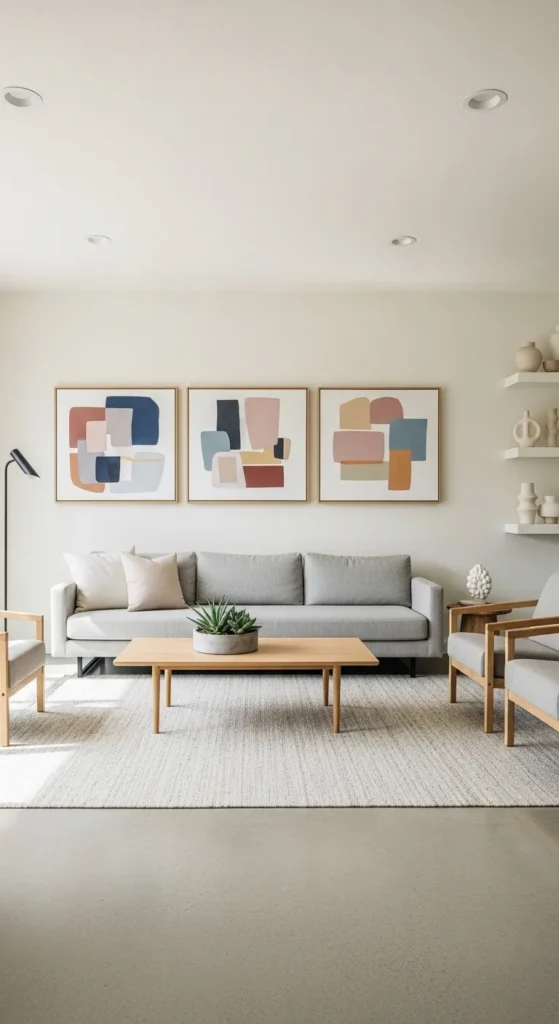
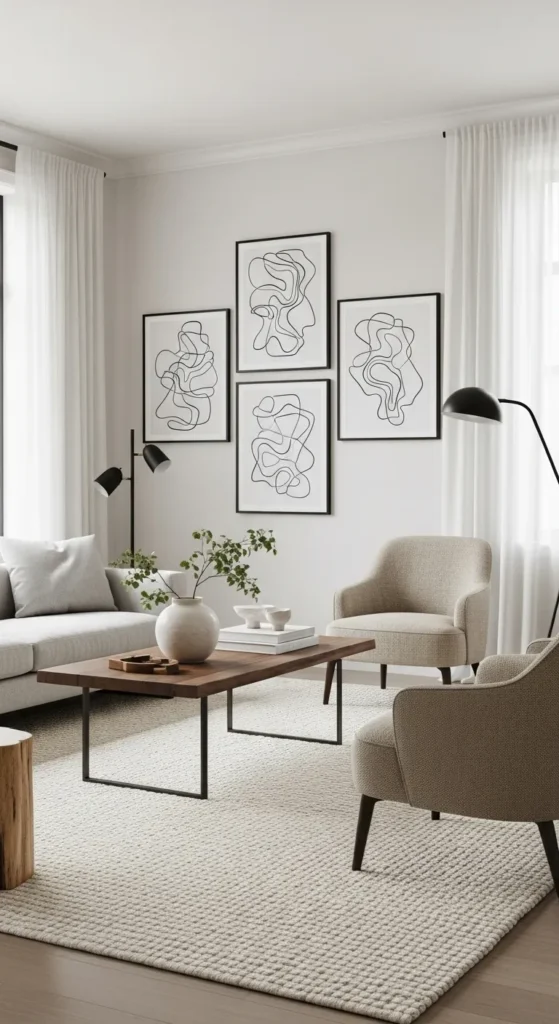
Minimalist wall art continues to dominate interior design trends as we move into 2026. These pieces feature clean lines, simple shapes, and a focus on negative space that brings calm and sophistication to your living room. Think geometric patterns, single-line drawings, and abstract forms that make a statement without being overwhelming.
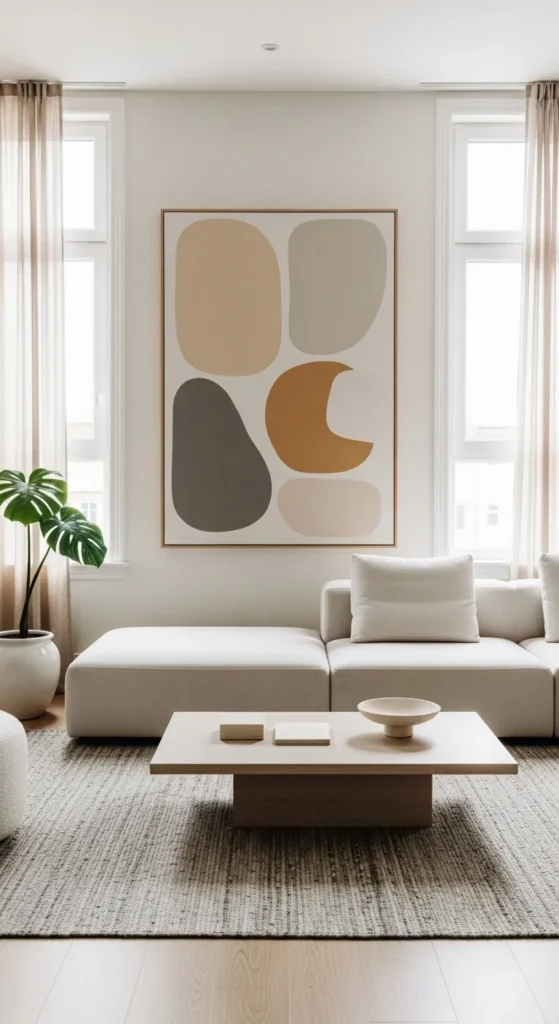
Modern minimalist wall art works well when you have a neutral color palette. Black and white artwork pairs beautifully with beige, gray, or white walls. You can also find pieces in muted tones like sage green, dusty blue, or terracotta that add subtle color without clashing with your existing furniture.
Bold Abstract Wall Art That Makes an Impact
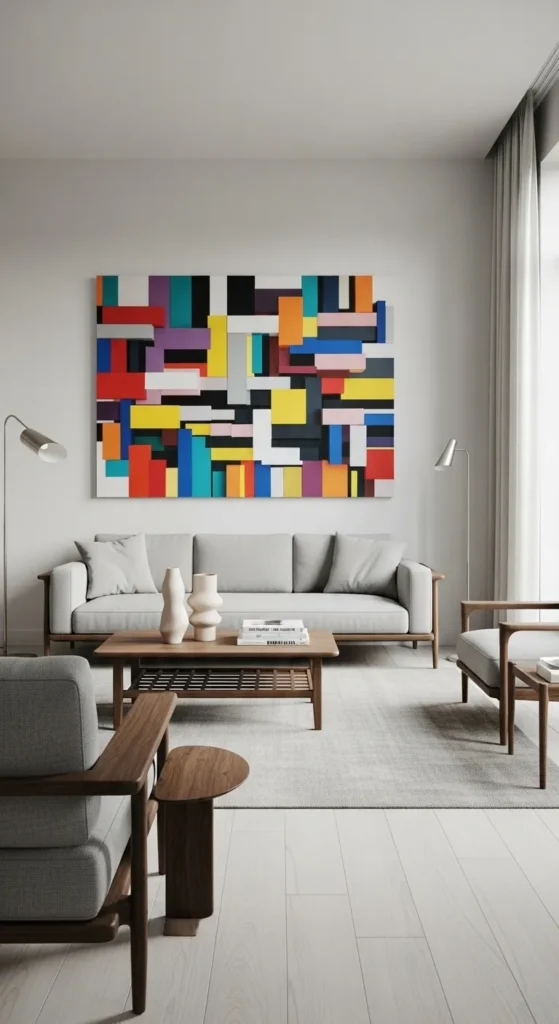
If you want your living room to stand out, bold abstract wall art is your answer. These pieces feature vibrant colors, dynamic shapes, and energetic compositions that draw the eye and spark conversation. Abstract art allows you to break free from traditional design rules and create a space that feels modern and daring.
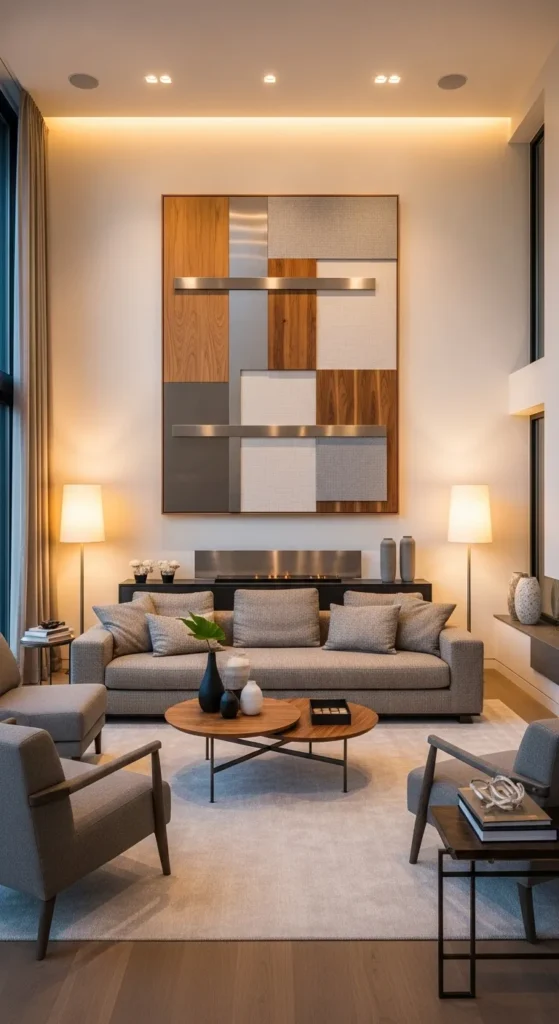
Large abstract canvases work particularly well as focal points above your sofa or on a feature wall. The beauty of abstract pieces is that they work with almost any color scheme because they typically incorporate multiple hues. You can find abstract art in bright, saturated colors or softer, more muted versions depending on your preference.
Nature-Inspired Aesthetic Wall Decor
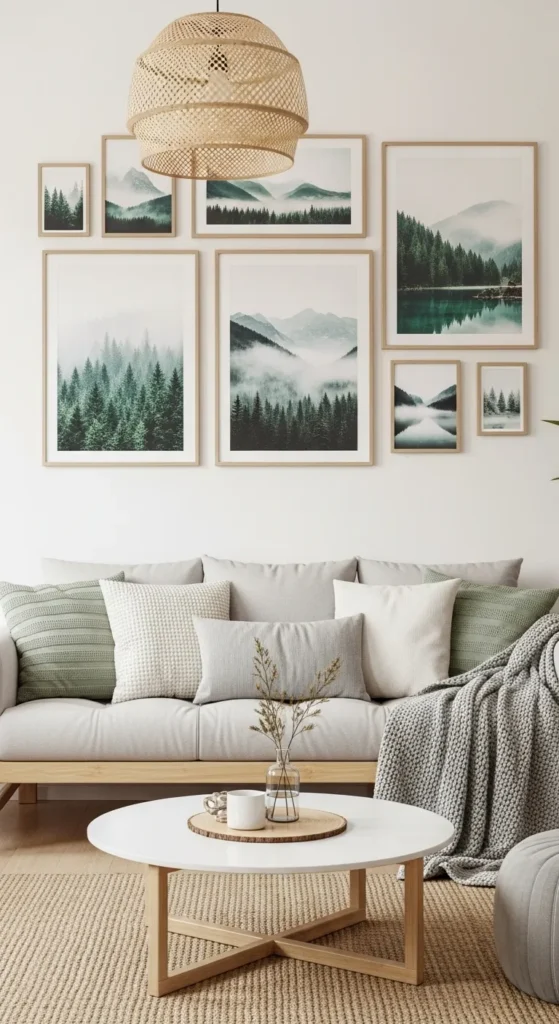
Bringing nature into your living room through wall art creates a calming, grounded atmosphere. Botanical prints, landscape paintings, and nature photography are all trending choices for 2026. These pieces remind us of the outdoors and create a connection to the natural world, even when we’re inside.
You can choose realistic nature artwork that looks like a photograph or go for illustrated botanical designs that feel more artistic. Prints featuring plants, flowers, forests, and mountains all work beautifully in living spaces. Many of these pieces come in neutral color palettes that complement any décor style.
Gallery Wall Arrangements and Collage Concepts
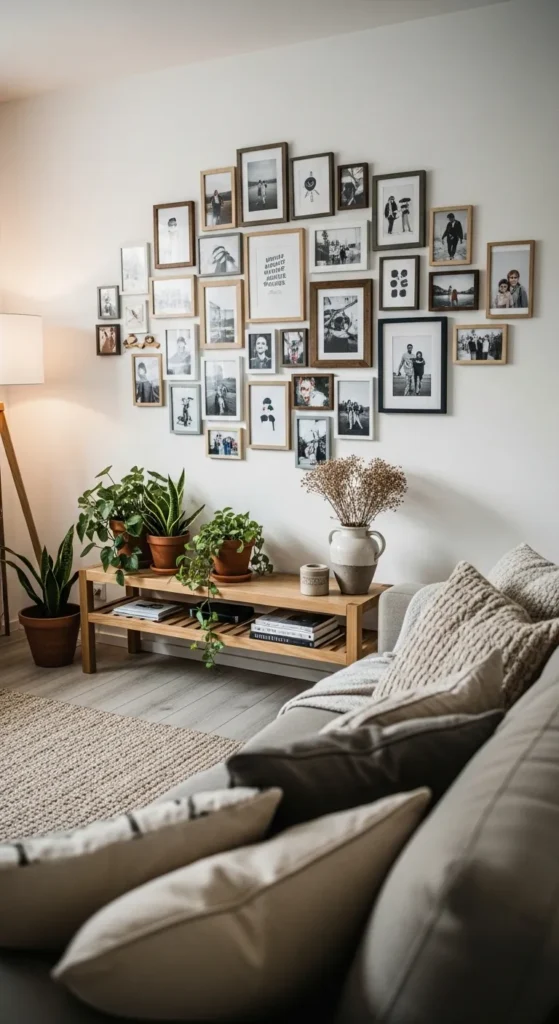
Gallery walls remain one of the most popular ways to display multiple pieces of art in your living room. By combining various sizes, frames, and styles, you create a personalized collection that tells your story. Gallery walls work especially well in living rooms because they can cover a large wall space and become a true focal point.
When creating a gallery wall, you can mix and match different types of art. Combine paintings with prints, photographs with illustrations, and framed artwork with unframed pieces. The key is to maintain some visual unity through color, frame style, or theme while allowing room for variety and personality.
DIY Wall Art Projects for Personal Expression
Creating your own wall art is an excellent way to add something truly unique to your living room. DIY projects range from simple to complex, allowing you to choose based on your skill level and available time. Hand-painted canvases, string art, painted wood signs, and collage creations are all popular DIY options.
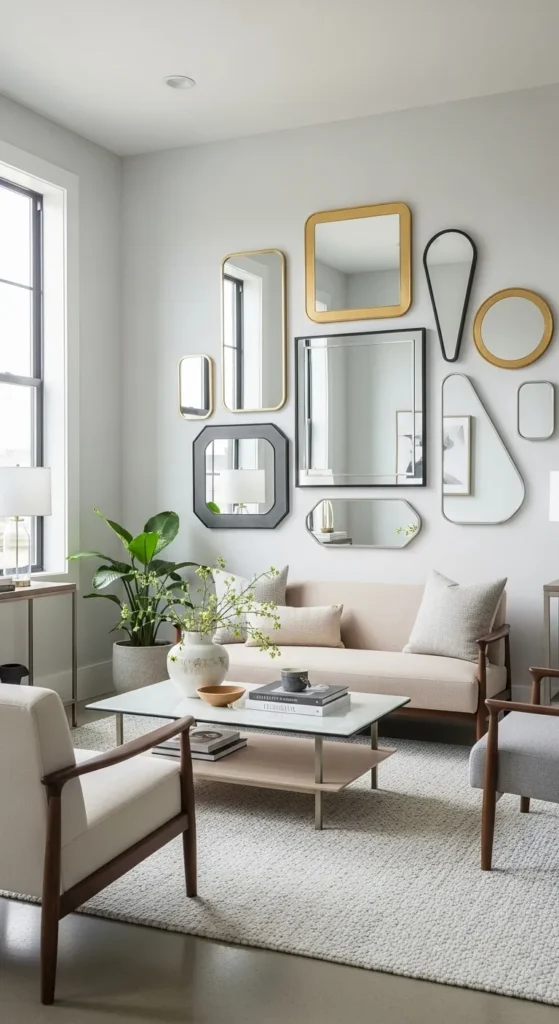
You don’t need to be an experienced artist to create beautiful DIY wall art. Many simple projects use basic supplies like paint, canvas, and brushes. Some people create stunning effects by dripping paint, using stencils, or applying metallic finishes. The personal touch of homemade art adds character and meaning that store-bought pieces sometimes lack.
Textile and Fabric Wall Hangings
Fabric wall art and textile hangings have become increasingly popular for creating texture and warmth in living rooms. Macramé wall hangings, woven tapestries, and fabric prints bring softness and visual interest to your walls. These pieces work wonderfully in bohemian, eclectic, and contemporary spaces.
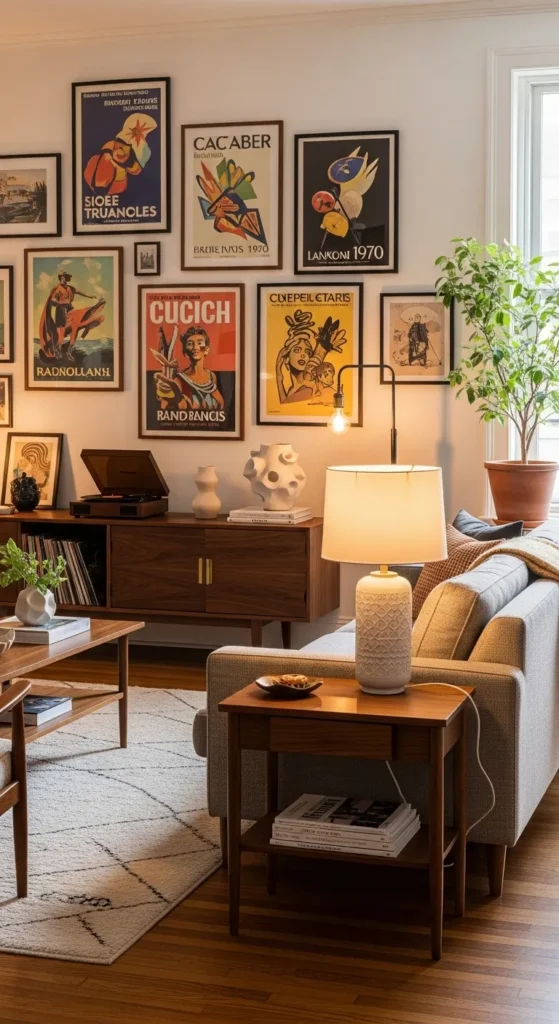
Textile wall art offers wonderful versatility. You can find pieces that range from simple linen prints to elaborate woven creations. Some people even use fabric as a backdrop for other decorative elements, creating a layered look that adds depth to their living room walls.
Typography and Motivational Word Art
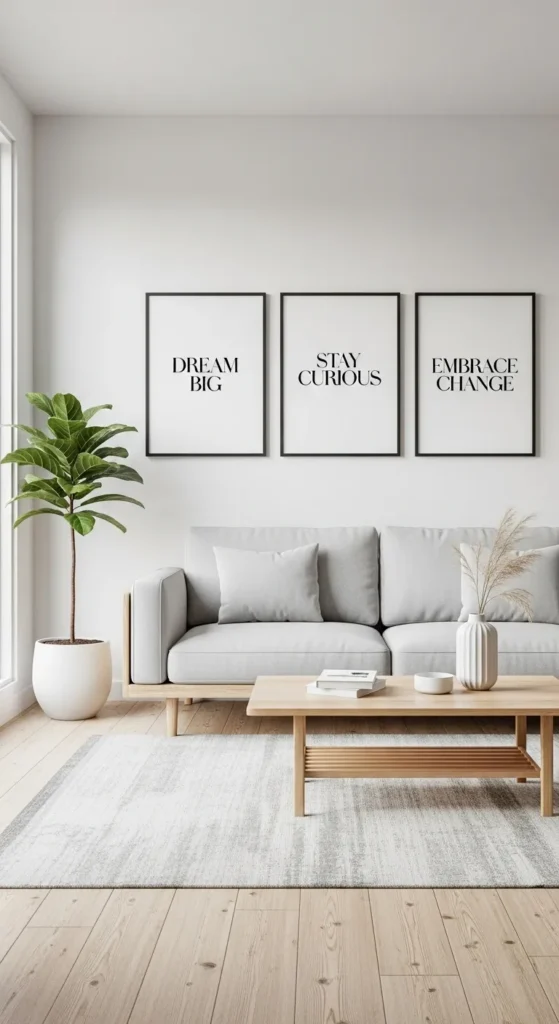
Personalized typography wall art has become a favorite way to add inspiration and character to living spaces. Whether it’s a meaningful quote, your family name, or words that inspire you, typography art brings personality and purpose to your walls. These pieces work well in modern, farmhouse, and eclectic design styles.
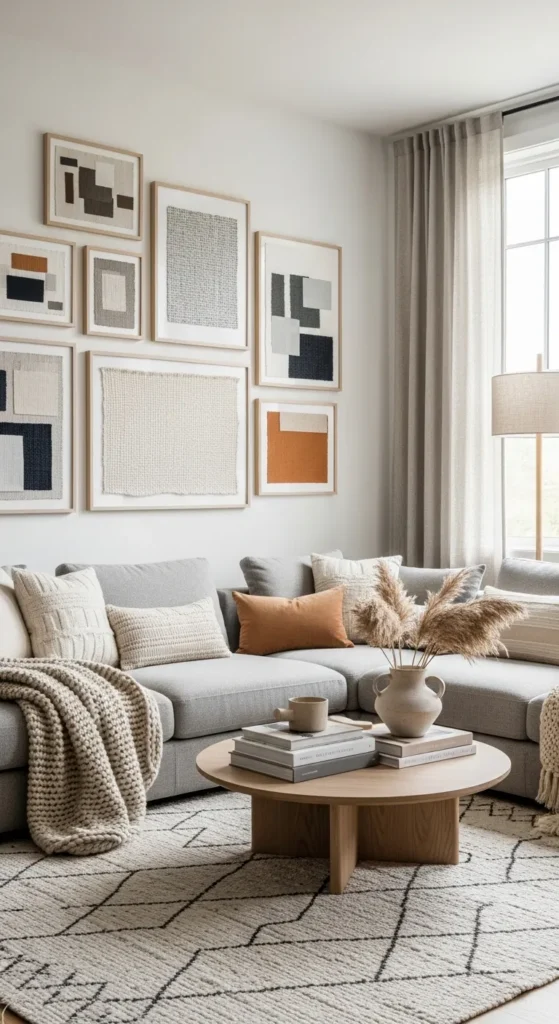
Word art can be minimalist and subtle or bold and colorful, depending on your preference. You can find professionally designed typography prints or create your own custom designs. The beauty of word art is that it’s both decorative and meaningful, serving as daily reminders of what matters to you.
Photography and Fine Art Prints
Photography has emerged as a sophisticated choice for living room wall art. Black and white photography, color landscape shots, and artistic portraits all make excellent wall pieces. Photography feels elegant and can serve as either a subtle accent or a bold statement depending on the subject and size.
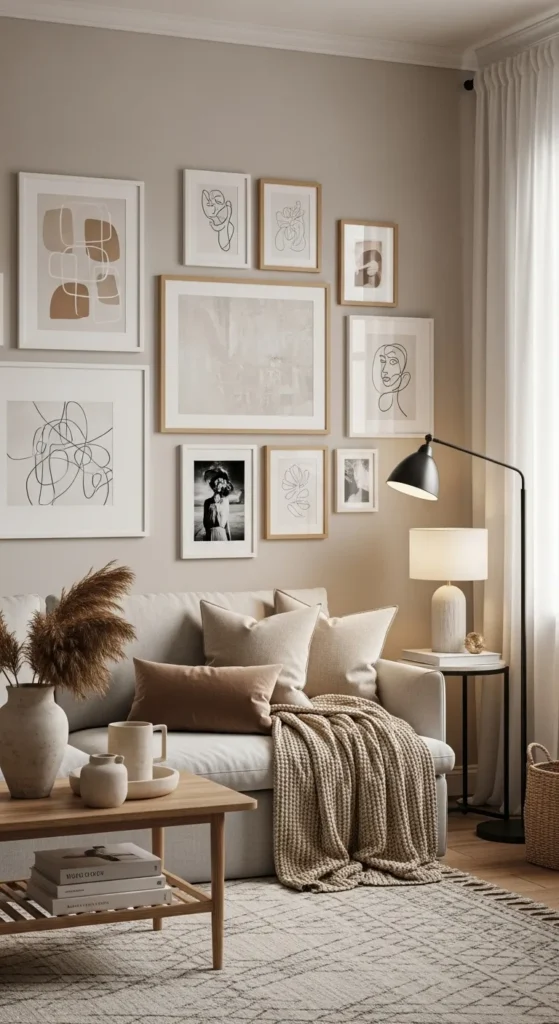
Fine art prints have also evolved to include reproductions of classical paintings as well as contemporary artwork. You can find everything from impressionist classics to modern digital art. The advantage of prints is that you can acquire beautiful artwork at various price points while still achieving a professional, polished look.
Colorful Geometric and Pattern-Based Designs
Geometric wall art continues to gain popularity because it’s visually interesting while remaining organized and structured. Patterns featuring triangles, hexagons, circles, and complex geometric shapes create movement and visual rhythm on your walls. These pieces work wonderfully in contemporary and modern spaces.
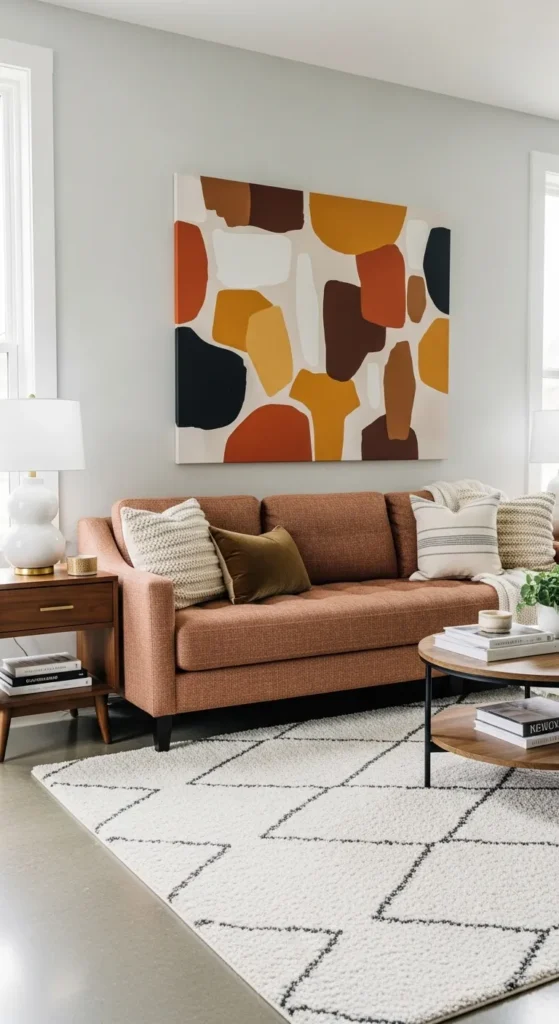
Geometric art can be created using various mediums including paint, printed canvas, and metal designs. The color options are endless, allowing
Modern Wall Art Styles That Transform Your Living Space
Your living room serves as the heart of your home, where memories are made and conversations flow freely. Wall art plays a crucial role in shaping the atmosphere of this essential space. The right pieces can completely transform how your room feels, looks, and functions. Whether you’re drawn to contemporary designs, hands-on creative projects, or visually pleasing arrangements, there’s a world of possibilities waiting for you.
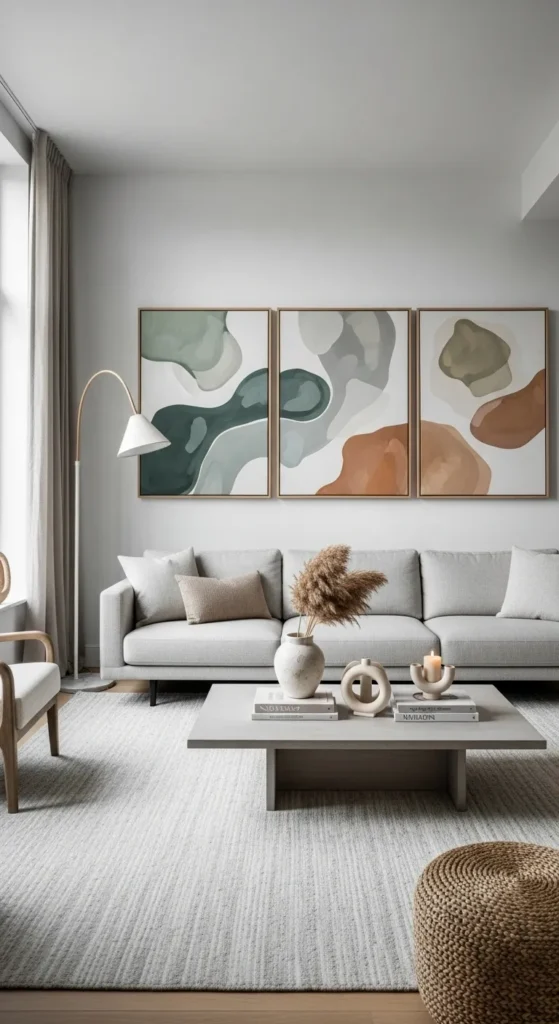
Finding the perfect wall art for your living room doesn’t have to be overwhelming. With thoughtful planning and an understanding of what works best, you can curate a space that truly reflects your personality and style. Let’s explore various approaches to decorating your walls and discover how each one can enhance your living environment.
Understanding Modern Wall Art Aesthetics
Modern wall art encompasses clean lines, minimalist principles, and contemporary design elements that appeal to today’s homeowners. This style focuses on simplicity without sacrificing visual impact. Modern pieces often feature bold colors, geometric shapes, or abstract forms that command attention while maintaining an uncluttered appearance.
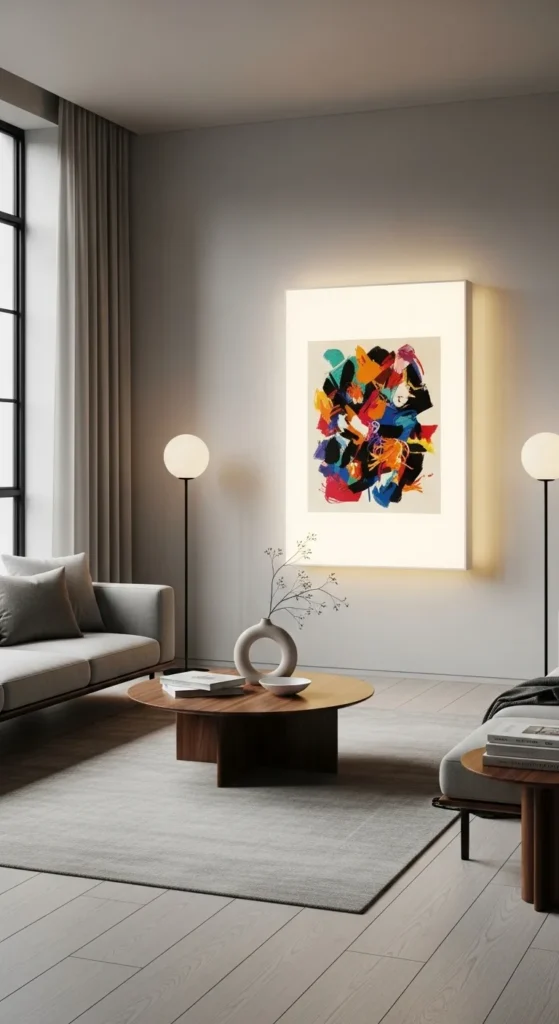
The beauty of modern aesthetics lies in their versatility. You can mix and match different pieces to create a curated gallery wall that tells your story. Many people find that modern wall art works well with various interior styles, from industrial to Scandinavian to mid-century modern design schemes.
Abstract art stands out as particularly popular in modern living rooms. These pieces allow viewers to interpret them personally, making them conversation starters. Watercolor abstracts, splattered paint designs, and geometric patterns all fall under this category. They add personality to your space while maintaining a sophisticated appearance.
DIY Wall Art Projects For Your Space
Creating your own wall art offers an affordable and deeply personal way to decorate your living room. DIY projects allow you to express creativity while working within your budget constraints. The satisfaction of displaying something you’ve made yourself adds emotional value that store-bought pieces simply can’t match.
String art has become increasingly popular for living room walls. Using nails, string, and a wooden board, you can create intricate geometric patterns or meaningful shapes. This project requires minimal artistic skill but yields impressive results. The three-dimensional quality adds depth and texture to your wall space.
Paint-by-numbers canvases offer another accessible option for those wanting to create original artwork. These kits provide everything needed to produce beautiful paintings. You control the color palette and size, making it easy to match your existing décor. Many people find the creative process relaxing and therapeutic.
Stenciled wall murals bring drama to living rooms without requiring professional artists. Using stencils and paint, you can create patterns directly on your walls. Whether you choose botanical designs, geometric patterns, or inspirational quotes, stencil art transforms blank walls into focal points. Start with removable stencils if you’re renting and want flexibility.
Collage art combines magazine cutouts, photographs, and mixed media on canvas or directly on walls. This project costs very little and produces unique results. Arrange pieces to tell a story or create abstract compositions that reflect your interests and experiences.
Aesthetic Wall Decor Arrangements
Aesthetic appeal goes beyond individual pieces—it’s about how they work together. Gallery walls have dominated interior design trends for good reason. Arranging multiple artworks creates visual interest and fills empty wall space effectively.
When creating your gallery wall, consider the spacing between pieces. Consistent gaps create order, while varied spacing can feel more organic and artistic. Start by laying pieces on the floor in your desired arrangement before hanging anything. This allows you to experiment without damaging your walls.
Color coordination matters when selecting multiple pieces. You might choose artwork that shares a common color palette, creating harmony throughout the arrangement. Alternatively, you could feature contrasting colors that make each piece stand out while working together cohesively.
Canvas prints offer flexibility in modern living room design. You can display single large statement pieces or combine several smaller prints in various sizes. Canvas material adds subtle texture compared to framed prints, contributing to a more layered aesthetic.
Innovative Wall Art Ideas For 2026
The latest trends show movement toward personalized and sustainable wall art choices. Owners increasingly seek pieces that reflect their values and tell meaningful stories. This shift emphasizes quality over quantity and authenticity over mass production.
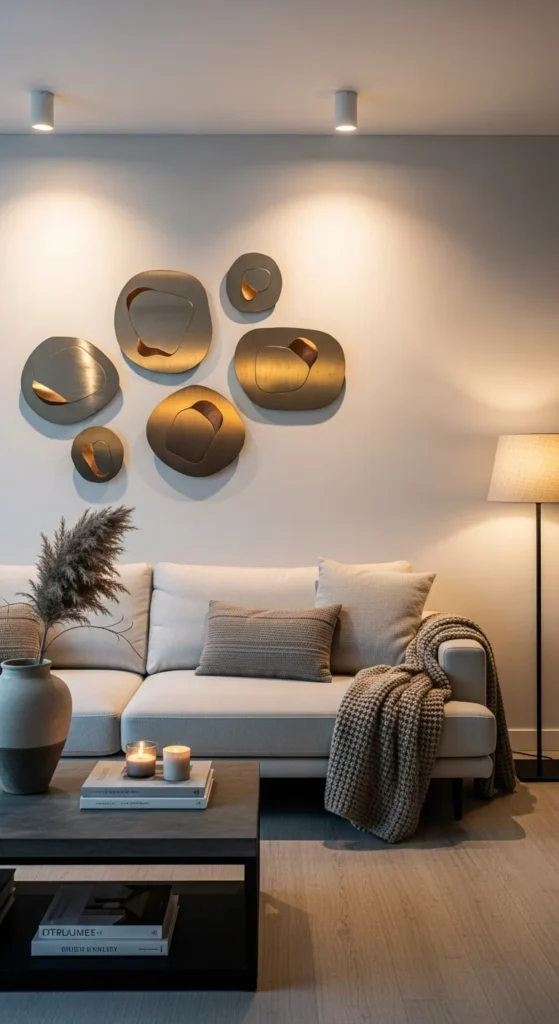
Three-dimensional wall sculptures and installations are gaining momentum. These pieces go beyond flat artwork, creating visual depth and shadow play that changes throughout the day. Wood wall panels, ceramic installations, and metal sculptures all provide tactile interest to your living space.
Personalized photo displays continue to evolve. Modern approaches include floating photo displays, string-hung pictures with clips, and custom canvas prints of meaningful photographs. These personal touches make your living room feel uniquely yours.
Living wall installations bring nature indoors in unexpected ways. Moss art, pressed flower arrangements, and botanical displays create organic visual interest. These pieces add texture, color, and life-giving properties to your walls while purifying the air in your home.
LED-integrated wall art represents cutting-edge design. Neon signs, light-up canvas art, and illuminated wall installations add functional lighting while creating ambiance. These pieces work particularly well in modern and contemporary living rooms.
Choosing The Right Pieces For Your Home
Start by assessing your living room’s current style, color scheme, and available wall space. Consider the walls you want to emphasize and the mood you want to create. Do you prefer calm and serene environments or bold and energetic spaces?
Your budget influences which options work best for your situation. High-quality original artwork comes with higher price tags, while prints, DIY projects, and posters offer affordable alternatives. Many people combine premium pieces with budget-friendly options to balance aesthetics and finances.
Lighting significantly impacts how wall art appears in your living room. Natural light, overhead fixtures, and accent lighting all affect color perception and visual impact. Position artwork where it receives appropriate lighting to showcase its best features.
Living room wall art should feel intentional rather than random. Each piece should either contribute to your overall design vision or serve a specific purpose. This thoughtful approach creates cohesive, gallery-quality spaces that visitors admire.
Your wall art choice ultimately reflects who you are and what matters to you. Whether you select modern pieces, create DIY projects, or arrange aesthetic collections, choose options that bring joy and inspiration to your daily life. Your living room deserves a design approach that makes you want to spend time there.
Budget-Friendly DIY Wall Art Projects for Every Skill Level
Creating beautiful wall art doesn’t require a professional artist or a huge budget. You can transform your living room with stunning pieces that reflect your personal style and creativity. Whether you’re a complete beginner or have some experience with crafts, there are plenty of ways to make impressive wall decorations right at home.
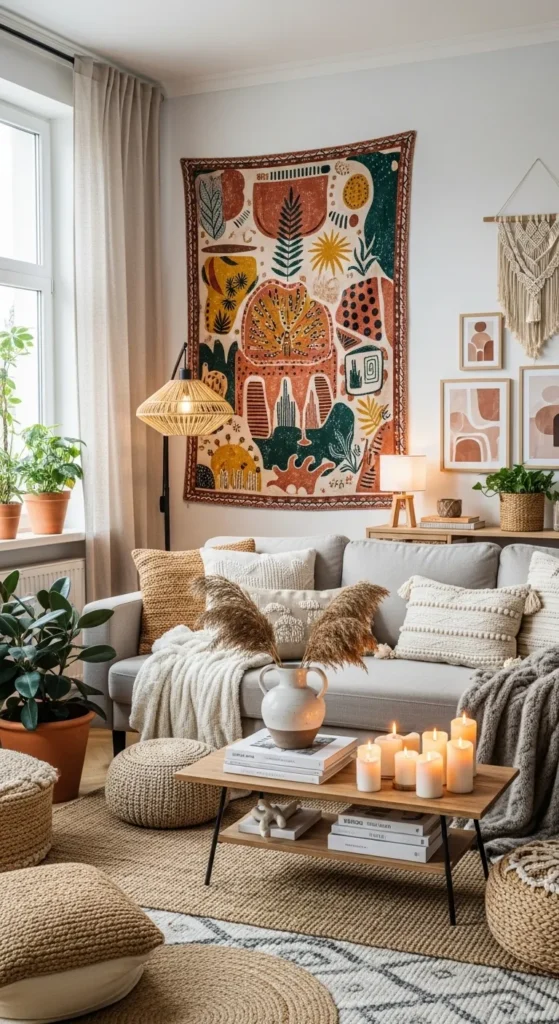
Canvas and Paint Techniques Anyone Can Master
One of the easiest ways to create custom wall art for your living room is through simple painting on canvas. Start with a blank canvas from any craft store, grab some acrylic paint, and let your imagination guide you. You don’t need to be skilled to create something beautiful. Abstract designs work wonderfully because there’s no “right” way to do them. Try dripping paint, swirling colors together, or creating geometric shapes with tape to guide your brush.
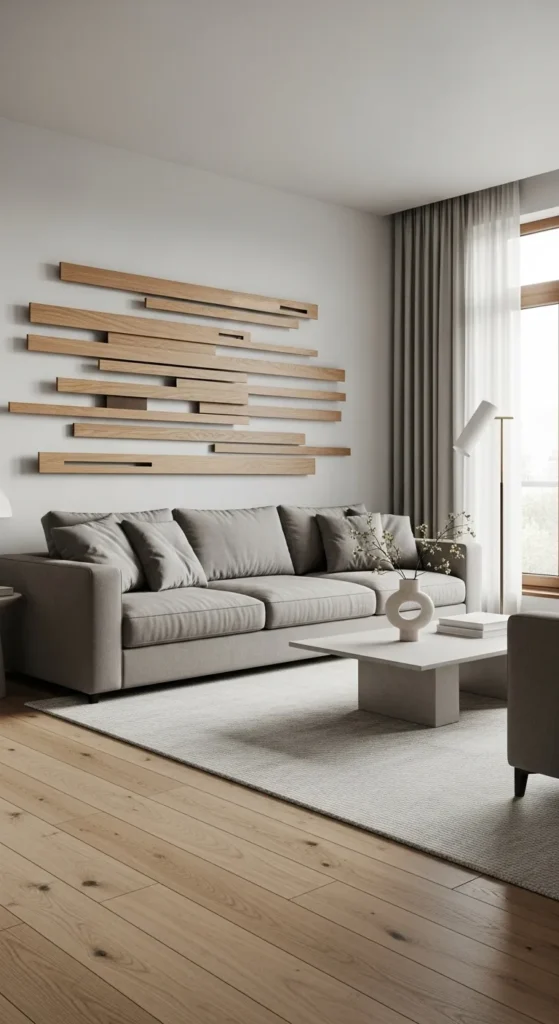
Color blocking is another beginner-friendly technique. Simply paint different sections of your canvas in complementary colors that match your living room decor. This approach creates a modern, gallery-like feel without requiring any artistic training. Ombre effects are equally simple—blend two or three colors together to create a smooth transition from one shade to another. These pieces look professional but take less than an hour to complete.
For those wanting to add texture, try using sponges, credit cards, or even crumpled plastic wrap to create interesting patterns. Metallic paints and gold accents elevate even the simplest designs, giving your living room that sophisticated aesthetic appeal many people desire.
Upcycled and Recycled Wall Art Solutions
Transform items you already have at home into stunning wall decorations. Old magazines, newspapers, and scrap paper can become vibrant collages. Cut out images, words, and colors that resonate with you, then arrange them on canvas or poster board to create a unique piece of living room wall art that tells your story.
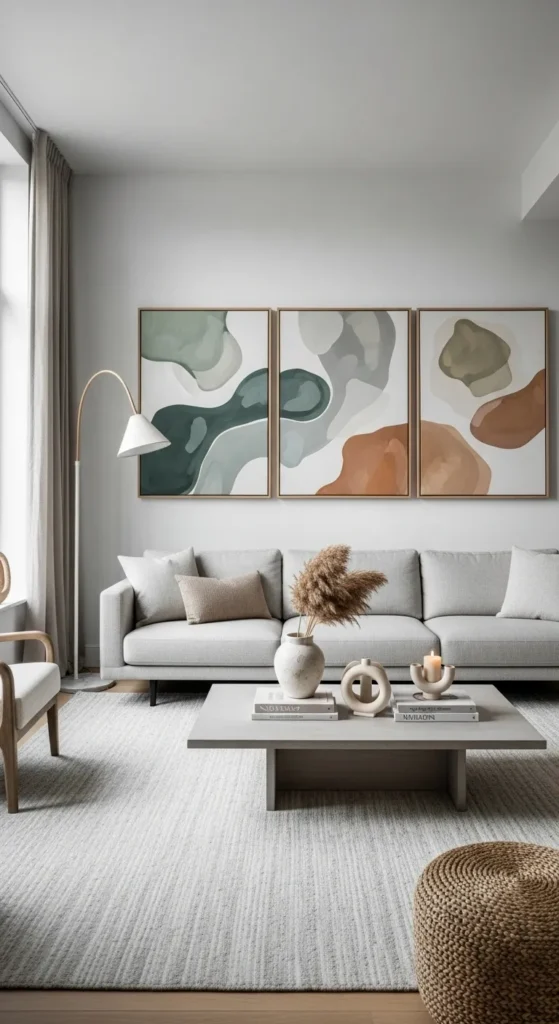
Reclaimed wood pieces make excellent backings for creative projects. You can arrange them in interesting patterns, paint them different colors, or use them as frames for photographs and memorabilia. Driftwood from the beach, fallen branches, or wooden pieces from hardware stores cost very little but create dramatic visual interest on any living room wall.
Wine corks, bottle caps, and old buttons become fascinating mixed-media wall hangings. Glue them onto a wooden base or canvas to create textural pieces that catch light beautifully. These projects are perfect for anyone on a tight budget because you’re using materials that would otherwise be discarded.
Minimalist and Modern String Art Designs
String art offers a contemporary look while remaining accessible to DIY enthusiasts. All you need is a wooden board, nails, and colorful string or yarn. Create geometric patterns, abstract designs, or even simple words that inspire you. The beauty of string art lies in its simplicity and the way it plays with light and shadow.
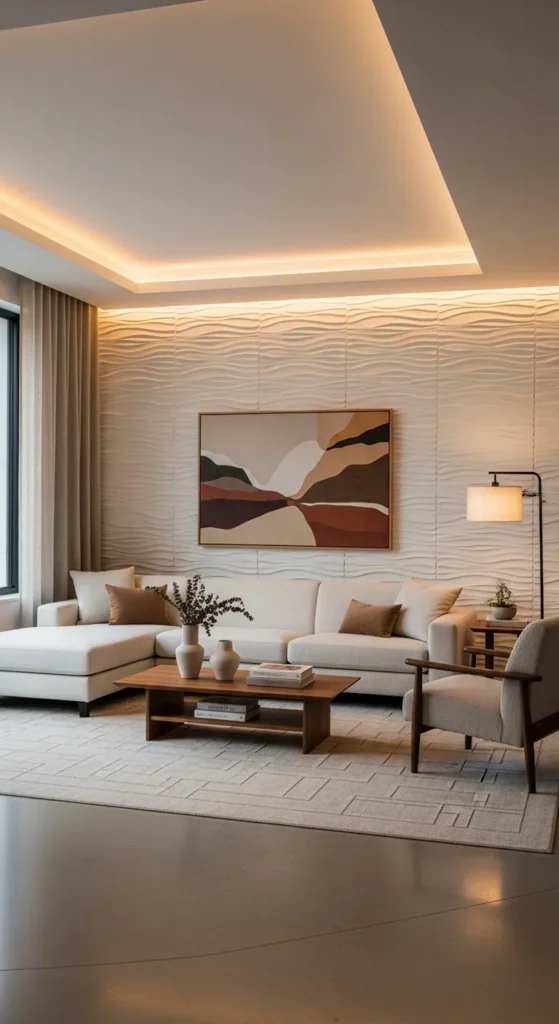
Modern aesthetic lovers can create striking designs using just two or three colors of string. Form triangles, lines, or constellation patterns that add visual depth to your living room without overwhelming the space. These pieces work particularly well in minimalist interiors where clean lines and limited color palettes dominate.
Watercolor and Mixed Media Approaches
Watercolor painting creates soft, dreamy effects perfect for living room spaces. You don’t need expensive supplies—basic watercolor sets work wonderfully. The medium naturally produces beautiful color blends and has a forgiving quality that makes it ideal for beginners. Paint loose florals, abstract washes, or simple landscapes that evoke calm and serenity.
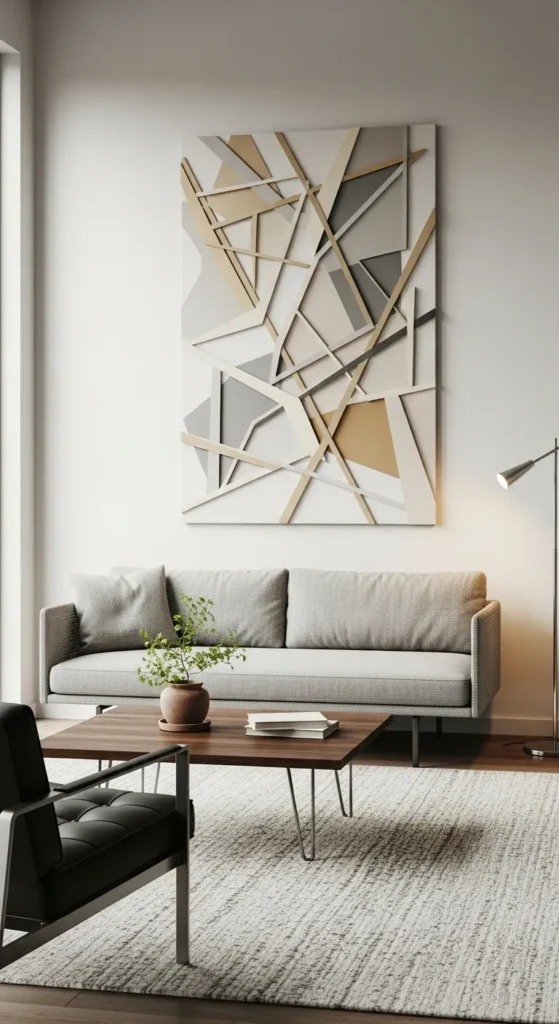
Combine watercolor with other elements like pressed flowers, leaves, or printed images to create mixed-media pieces. Layer paper, paint, and natural elements on canvas or cardboard to develop depth and interest. These projects allow you to experiment without pressure since the artistic process is more important than achieving perfection.
Stenciled and Stamped Wall Creations
Stencils make it incredibly easy to create professional-looking designs. You can purchase stencils at craft stores or print templates from online resources. Use paint rollers, foam brushes, or spray paint to apply color through the stencil onto canvas or directly onto your wall. Geometric patterns, botanical designs, and mandala shapes all work beautifully for modern living room aesthetics.
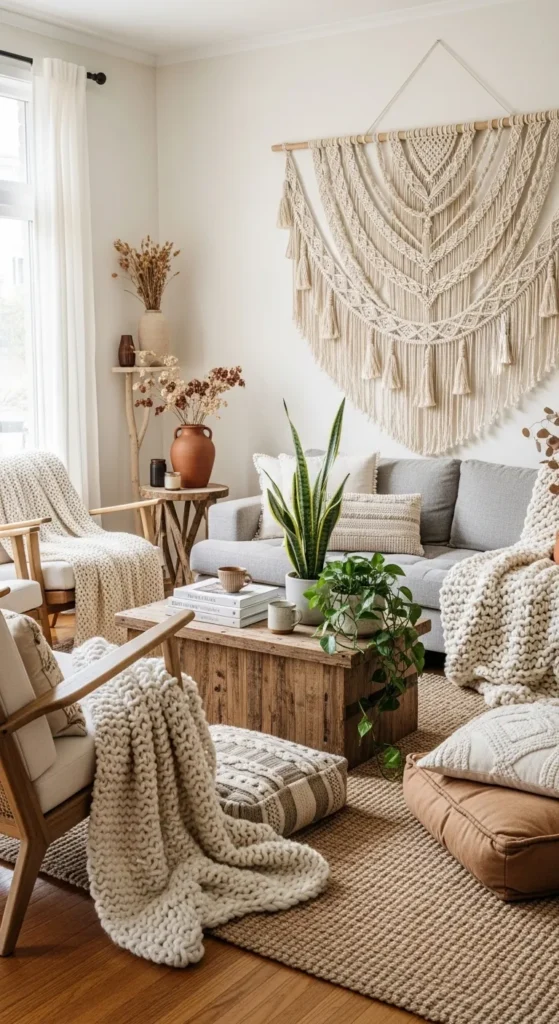
Stamping with custom stamps or DIY versions made from foam offers another accessible technique. Create patterns by repeatedly stamping the same image in different colors across your canvas. This rhythmic approach produces visually pleasing results that feel intentional and polished.
Photography and Print-Based Wall Art
Your own photographs make meaningful and personal wall decorations. Print your favorite images in black and white for a timeless look, or in color for vibrancy. Create a gallery wall by printing multiple photos at different sizes and arranging them thoughtfully. This approach costs very little if you use your home printer and affordable photo paper.
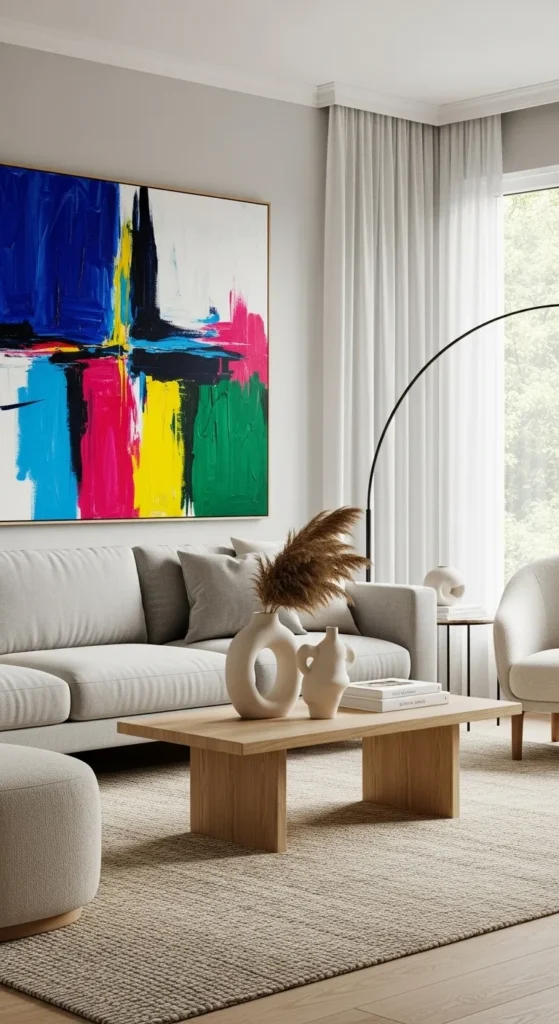
You can also frame printed quotes, song lyrics, or meaningful words that resonate with you. Choose fonts and colors that complement your living room’s existing aesthetic. These personalized pieces become conversation starters and remind you daily of what matters most.
Building a gallery wall doesn’t require matching frames. Mix different frame styles, colors, and sizes for an eclectic, curated look that feels intentional and creative. This budget-friendly approach works beautifully in any living room style, from bohemian to contemporary.
Choosing the Right Color Palettes and Aesthetic Themes for Your Walls
Your living room walls are a blank canvas waiting to tell your home’s story. The colors and themes you choose set the mood for your entire space. Whether you’re drawn to modern minimalism or cozy warmth, understanding how to select the right palette transforms your room from ordinary to extraordinary.
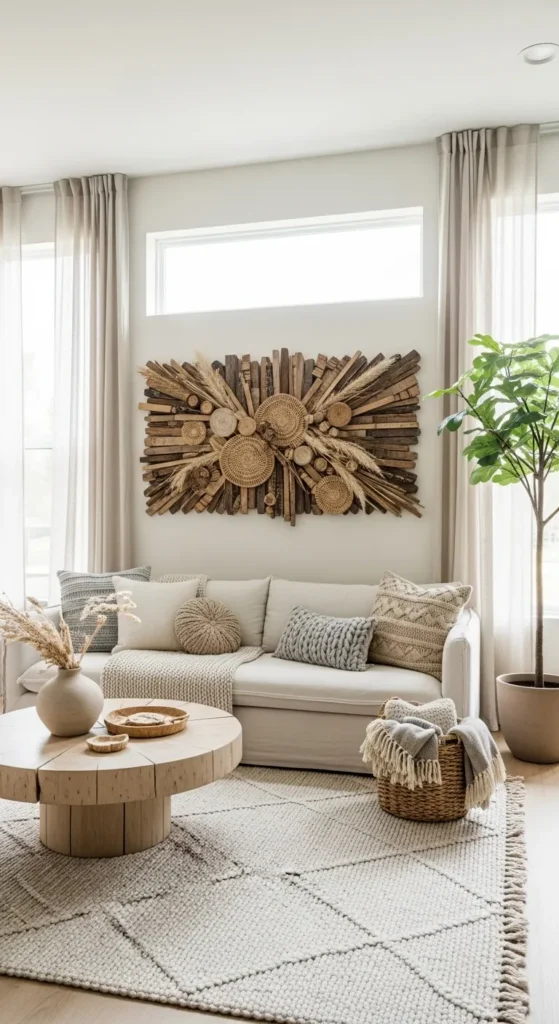
When you think about wall art for living room ideas in 2026, color psychology plays a crucial role. Different hues trigger different emotions and responses. Cool tones like blues and greens create calm, peaceful environments perfect for unwinding after a long day. Warm tones like oranges, yellows, and terracottas bring energy and warmth to your gathering spaces. Neutral colors like grays, beiges, and whites provide timeless backdrops that let your art and furnishings shine.
Understanding Color Temperature and Lighting
The light in your room dramatically affects how colors appear. Natural daylight reveals true colors, while artificial lighting can shift them entirely. Warm white bulbs enhance cozy, inviting spaces with earthy tones. Cool white bulbs complement modern aesthetics and contemporary color schemes. Before committing to a palette, observe your walls at different times of day. Test large paint swatches or hang temporary art pieces to see how they interact with your room’s natural and artificial light sources.
Modern Aesthetic Approaches for Contemporary Spaces
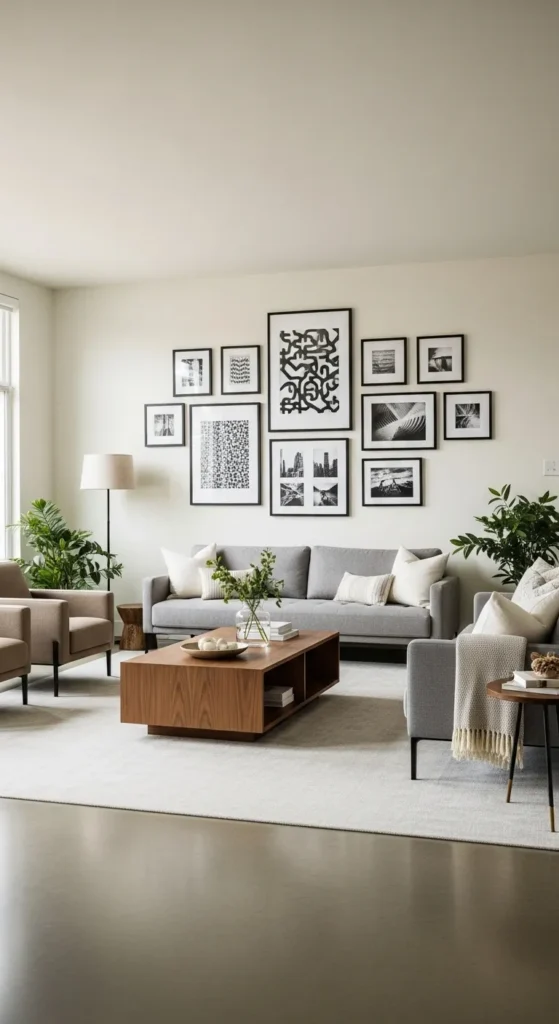
Modern living room wall art embraces clean lines and sophisticated color schemes. Monochromatic palettes—using different shades of one color—create visual harmony and contemporary appeal. Think charcoal grays paired with light concrete tones, or varying shades of white with subtle black accents. This approach minimizes visual clutter and creates a gallery-like effect perfect for showcasing featured artwork.
Minimalist color schemes work beautifully with geometric wall art and abstract pieces. A neutral base allows your wall decorations to become the focal point. Many homeowners in 2026 are embracing the “color blocking” technique, where they paint walls in contrasting solid colors to define different zones. A feature wall in deep navy or forest green can anchor your seating area while remaining sophisticated and calm.
Creating Cohesive Aesthetic Themes
Your aesthetic theme should reflect your personality while maintaining visual harmony. Scandinavian aesthetics favor whites, soft grays, and pale blues with natural wood accents. This creates airy, light-filled spaces that feel serene and organized. Industrial aesthetics embrace concrete grays, blacks, and metallic accents paired with bold geometric or abstract wall art.
Mid-century modern themes celebrate warm woods, mustard yellows, teal, and coral against neutral backgrounds. Bohemian aesthetics welcome eclectic color mixing—terracotta, burnt orange, sage green, and warm cream tones layered together with confidence. Coastal themes use soft blues, whites, sandy beiges, and seafoam greens to bring relaxed, vacation vibes into your home.
The Power of Accent Walls
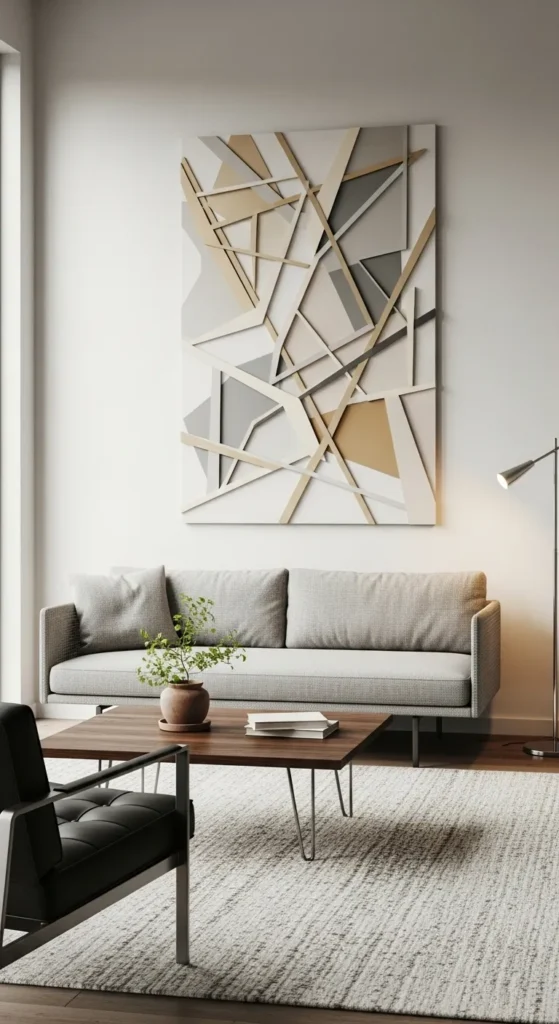
If you’re hesitant about committing to bold colors everywhere, accent walls offer the perfect solution. One feature wall in a deeper shade or contrasting color creates drama and visual interest without overwhelming your space. This technique works particularly well for wall art displays, as a darker or richly colored background helps artwork stand out. Consider placing your gallery wall or statement piece on an accent wall to maximize impact.
DIY Color Selection Tips
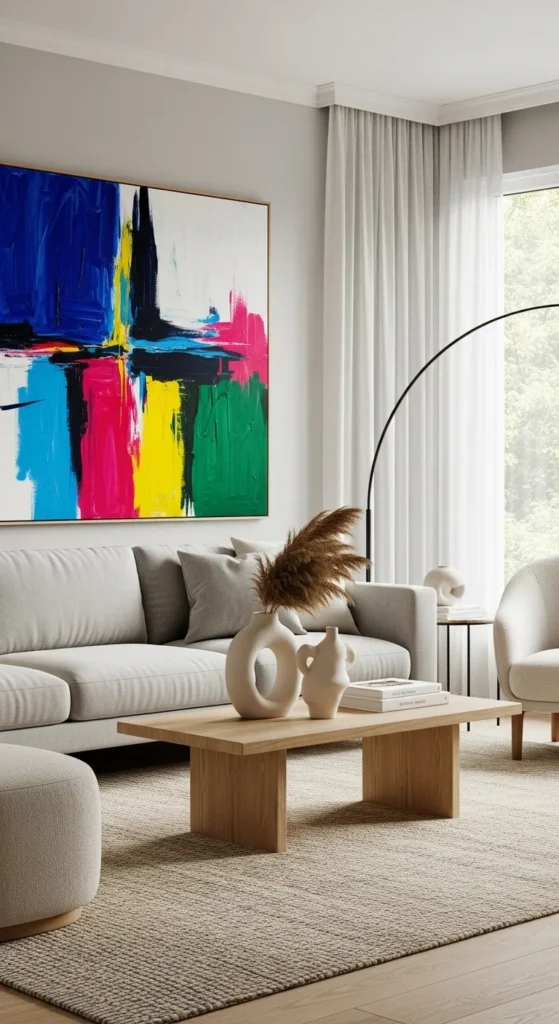
Start by gathering inspiration from sources you love. Pinterest boards, Instagram accounts, and interior design magazines reveal palettes that resonate with you. Notice which color combinations appear repeatedly in images that appeal to you. This tells you what your instincts prefer.
Use the 60-30-10 rule when planning your palette. Sixty percent should be your dominant color (usually a neutral), thirty percent should be a secondary color, and ten percent should be an accent color for visual interest. This balanced approach prevents rooms from feeling too busy while still maintaining character and style.
Testing Before You Commit
Never underestimate the importance of paint samples and temporary art pieces. Purchase several paint samples in your chosen palette and paint large swatches on your walls. Live with these colors for at least three to five days, observing them in various lighting conditions. Similarly, temporarily hang artwork or tapestries using painter’s tape before permanent installation.
Choosing the right colors and themes for your living room walls doesn’t need to be stressful. By understanding how light affects color, exploring different aesthetic approaches, and taking time to test your selections, you’ll create a space that’s both beautiful and authentically yours. The perfect 30 wall art for living room ideas start with a foundation of colors and themes that feel right to you.
Practical Installation Tips and Design Arrangement Strategies for Maximum Impact
Getting your wall art just right means understanding how to hang it properly and arrange it in ways that transform your living room. When you’re working with modern, DIY, and aesthetic decor pieces, placement matters as much as the art itself. The difference between a room that feels purposeful and one that looks cluttered often comes down to thoughtful installation and strategic arrangement.
Measuring and Marking Before You Hang
Before you make any holes in your walls, take time to measure everything carefully. Start by determining the center point of your wall or the area where you want your art to live. Use a measuring tape to find the exact location, then mark it lightly with a pencil. For pieces that hang at eye level, aim for the center of the artwork to be around 57 to 60 inches from the floor. This height feels natural when you’re standing and looking at the art.
If you’re hanging multiple pieces, lay them out on the floor first to see how they work together. This gives you a chance to adjust spacing and arrangements without committing to holes in your walls. Take a photo of your floor layout and use it as a reference while hanging. Many people find it helpful to create a template using kraft paper or cardboard cut to the exact size of each frame. Tape these templates to the wall to visualize the final look before drilling anything.
Choosing the Right Hardware for Your Walls
Different wall types require different hanging solutions. Drywall needs anchors or studs to support heavier pieces, while plaster walls are more delicate and require special plaster anchors. Picture hooks designed for drywall come in various weight capacities, so match the hook to your artwork’s weight. For lighter aesthetic pieces, simple nail holes work fine, but for larger modern art installations, you’ll want sturdy wall anchors rated for the proper weight.
Using a stud finder helps you locate wooden studs in your walls, which provide the strongest support. If you’re hanging multiple pieces in a gallery-style arrangement, some studs might not align perfectly with your design. In these cases, quality wall anchors rated for the total weight of all pieces in that section provide reliable support. Always err on the side of choosing hardware that can handle more weight than your actual artwork weighs.
Creating Visual Balance Through Arrangement
Wall art arrangement works best when you consider both visual weight and spacing. Visual weight refers to how “heavy” a piece feels to the eye, not its actual physical weight. A bold, colorful piece feels heavier than a delicate line drawing, even if the frames weigh the same. Balance these visual weights across your arrangement so the wall doesn’t feel lopsided.
The spacing between pieces is equally important. Most designers recommend keeping 2 to 3 inches between frames for a gallery wall effect. If you want pieces to feel more unified, reduce spacing to about 1 inch. For a scattered, casual aesthetic, try 4 to 6 inches between pieces. Consistent spacing makes arrangements look intentional rather than random, which elevates the entire look of your living room.
Working With Different Frame Styles and Sizes
When you mix frame sizes and styles, create a plan that prevents chaos. One approach is to choose a dominant frame style and let it appear most frequently in your arrangement. Other frame styles become accents that add visual interest without overwhelming the space. For example, if you love modern minimalist frames, use those for three-quarters of your pieces and add a few vintage-style frames as surprise elements.
Color coordination matters too. Stick to two or three frame colors maximum. Mixing too many finishes like gold, silver, black, and wood can make a wall feel busy. If you want more variety, use different mat colors and artwork styles while keeping frame finishes consistent. This approach gives you plenty of personality without visual chaos.
Positioning Art in Relation to Furniture
Your wall art should interact visually with the furniture below it or around it. If you’re hanging art above a sofa, couch, or console table, align the artwork so it appears centered over the furniture piece. Leave about 6 to 12 inches between the top of the furniture and the bottom of the artwork. This gap creates breathing room and prevents the art from feeling like it’s crushing the furniture.
For walls without furniture, imagine where someone might focus their eyes when entering the room. Art should be positioned along natural sightlines. If your living room has a specific focal point like a fireplace or window, either complement it with nearby art or create a competing focal point in another area to draw the eye around the room.
Installation Techniques for Different Artwork Types
Canvas prints and framed pieces use traditional hanging methods, but other formats need special consideration. Floating frames require heavy-duty brackets on the back. Metal or acrylic wall art might need specialized clips or mounting systems specific to those materials. DIY pieces you’ve created yourself might have unique backing that affects how you can hang them. Always check the manufacturer’s recommendations or test your hanging method on a less visible wall first.
For larger installations like canvas panels or wooden wall decor, consider using a level during installation to ensure pieces hang straight. Even a slight tilt becomes obvious to viewers and looks unintentional. If hanging clustered pieces, work from the center outward. Hang your central piece perfectly, then add surrounding pieces in sequence, checking alignment as you go.
Creating Focal Points and Visual Flow
Strategic placement creates movement around your room. You can draw viewers’ eyes through your living room by positioning art pieces that lead from one area to another. A larger statement piece naturally becomes a focal point, while smaller pieces around it support and enhance that focus. This arrangement style works especially well for modern and aesthetic designs that already have strong visual impact.
Think about the journey someone’s eyes take when they enter your living room. If all your art clusters in one corner, that becomes the only focal point. Distributing pieces across multiple walls creates a more sophisticated, intentional look. This approach is particularly effective for aesthetic wall art that relies on mood and feeling rather than obvious thematic connections.
Lighting Your Wall Art Appropriately
Proper lighting brings your wall art to life. Natural light from windows can work beautifully, but it changes throughout the day. Consider adding accent lighting like picture lights above larger frames or track lighting that you can angle toward your art pieces. LED picture lights are energy-efficient and provide warm, flattering illumination without generating heat that might damage artwork.
Position lighting to minimize gl
Conclusion
Your living room walls hold incredible power to reflect your personality and set the mood for your entire home. Whether you choose sleek modern designs, hands-on DIY projects, or carefully curated aesthetic pieces, the options available to you in 2026 are truly limitless.
The journey to transforming your space doesn’t require a hefty budget or professional expertise. By exploring modern wall art styles, you can instantly elevate any room. DIY projects offer a rewarding way to add personal touches that store-bought pieces simply can’t replicate. You get to decide what goes on your walls—and that freedom is empowering.
Color palettes and aesthetic themes form the foundation of cohesive, beautiful interiors. Taking time to choose colors that complement your furniture, lighting, and overall home style ensures your wall art feels intentional rather than random. These thoughtful decisions create spaces that genuinely feel like home.
Installation and arrangement matter just as much as the art itself. Proper placement maximizes visual impact and draws the eye exactly where you want it. Whether you’re hanging a single statement piece or creating a gallery wall, strategic positioning transforms ordinary walls into focal points that guests notice and admire.
The best wall art for your living room is what speaks to you. Start with one piece or project that excites you, then build from there. Trust your instincts, experiment with different styles, and don’t be afraid to evolve your décor as your tastes change. Your walls are your canvas—make them represent the best version of your home in 2026 and beyond.