What’s Driving Bedroom Aesthetic Trends in 2026
Here’s the truth: Your bedroom isn’t just a place to sleep anymore—it’s become your sanctuary, office, and wellness retreat all rolled into one. The bedroom aesthetic trends dominating Pinterest in 2026 reflect a fundamental shift in how we think about personal spaces.
The Remote Work Revolution
The continued rise of hybrid and fully remote work has transformed bedrooms into multipurpose sanctuaries. Functional beauty is now non-negotiable. People are investing in bedroom designs that seamlessly blend a restful retreat with a productive workspace, creating zones that feel intentional rather than cramped.
Wellness as the Ultimate Priority
What most people miss: The wellness movement isn’t just about yoga mats and meditation apps—it’s about designing bedrooms that actively support mental health and better sleep. This means strategic lighting, air-purifying plants, and calming color palettes like soft sage, dusty rose, and warm terracotta that promote relaxation.
Sustainable Design and Eco-Conscious Materials
Sustainability has moved from trend to expectation. Designers and homeowners are prioritizing reclaimed wood, organic cotton bedding, and low-VOC paints from brands like Behr and Benjamin Moore. Biophilic design—incorporating natural elements like living walls, wooden accents, and stone textures—is reshaping how we think about bedroom aesthetics.
Pro Tip: Start with one sustainable swap under $50: swap out synthetic pillows for organic cotton or linen options from brands like Parachute or Brooklinen to immediately elevate your bedroom’s wellness factor.
1. Dopamine Maximalist: Bold Colors Meet Functional Design
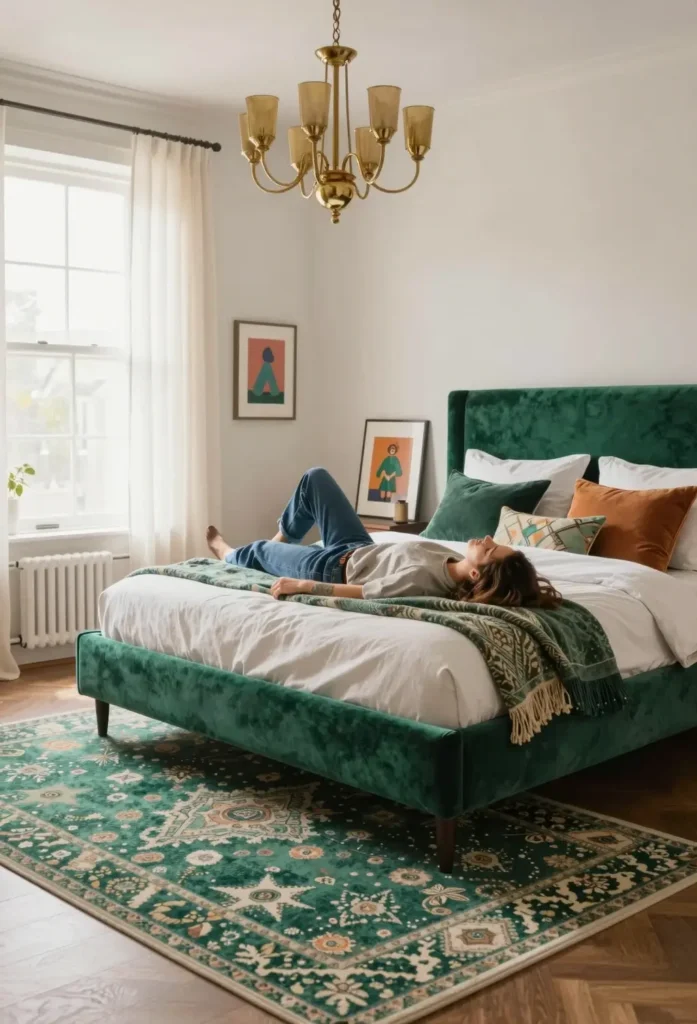
Here’s the truth: Dopamine maximalism isn’t about chaos—it’s about intentional color psychology paired with smart spatial planning. This trending bedroom aesthetic celebrates jewel tones like emerald green, sapphire blue, and amethyst purple while maintaining organization and purpose in every design choice.
The dopamine maximalist bedroom thrives on layered textures and bold color blocking. Think jewel-toned velvet headboards paired with patterned area rugs, metallic accents, and gallery walls featuring colorful artwork. What most people miss is that this aesthetic requires a strong foundational organizational system to prevent visual overwhelm—especially in smaller bedrooms.
Budget Breakdown for Dopamine Maximalist:
Under $50: Hunt thrifted accent pieces at local vintage shops or Facebook Marketplace. A sapphire-blue velvet throw pillow, emerald wall sconces, or amethyst-tinted glass decor instantly anchor the aesthetic without breaking your budget.
Mid-Range ($50–$500): Invest in statement furniture from Article or West Elm. A jewel-toned upholstered bed frame, colorful nightstands, or a textured accent wall transform your space affordably.
Luxury ($500+): Restoration Hardware offers high-end velvet furniture and designer lighting in rich jewel tones that elevate dopamine maximalism to gallery-quality sophistication.
Pro Tip: In small bedrooms, apply jewel tones to one accent wall and keep remaining walls neutral—this prevents color saturation while maximizing dopamine impact without claustrophobia.
2. Coastal Calm: Serene Beachside Retreats
Coastal Calm dominates 2026 bedroom design for one reason: stress relief through color psychology. This aesthetic layers soft blues, warm whites, and sandy neutrals to create a perpetual vacation vibe without leaving home.
Color Palette: Seafoam green, driftwood gray, cream, soft aqua, and warm sand tones form the foundation. What most people miss is adding warm undertones to blues—cool navy reads clinical, but soft periwinkle and dusty teal feel genuinely calming.
Budget Options:
Under $50: IKEA’s VITTSJÖ shelving in white ($30) paired with linen curtains creates coastal airiness. Add woven baskets ($15-25) for texture.
Mid-Range ($100-300): CB2’s Linen bedding in natural ($180) and rattan wall hangings ($120) elevate the aesthetic without overspending.
Luxury ($500+): Restoration Hardware’s linen collection in coastal hues ($400+) delivers resort-quality softness that justifies the investment.
Small-Space Hack: In 100-150 sq ft bedrooms, use vertical storage—floating shelves styled with coastal decor (shells, driftwood, white ceramics) create visual interest without floor clutter.
Pro Tip: Layer textures instead of colors. Linen, jute, rattan, and weathered wood create depth while maintaining the calm palette.
3. Dark Academia: Literary Luxury Meets Intellectual Sophistication
Dark Academia transforms bedrooms into moody sanctuaries for creative minds. Think library-meets-bedroom with deep jewel tones, vintage furniture, and literary references woven throughout.
Color Palette: Burgundy, forest green, chocolate brown, cream, and gold accents create intellectual warmth. The key is balancing darkness with metallic accents—gold picture frames and brass lamps prevent the space from feeling cave-like.
Budget Options:
Under $50: IKEA’s BILLY bookcases ($40-60) in dark wood create instant academia vibes. Pair with thrifted vintage books ($5-15 each) for authentic character.
Mid-Range ($150-400): CB2’s velvet headboard in forest green ($300) and brass desk lamp ($80) anchor the aesthetic professionally.
Luxury ($600+): Restoration Hardware’s leather wingback chair ($800+) and antique-inspired desk ($1,200+) deliver museum-quality Dark Academia authenticity.
Small-Space Hack: Wall-mounted shelving above the bed maximizes vertical real estate for displaying books and vintage finds in compact rooms.
Pro Tip: Incorporate one statement piece—a ornate mirror, vintage globe, or antique trunk—rather than scattered academia elements. This prevents visual chaos in tight quarters.
4. Japandi Minimalism: Where Japanese Zen Meets Scandinavian Function
Japandi Minimalism represents 2026’s most practical aesthetic trend. Here’s the truth: this style reduces decision fatigue by combining Japanese simplicity with Scandinavian functionality—fewer items, better quality, intentional placement.
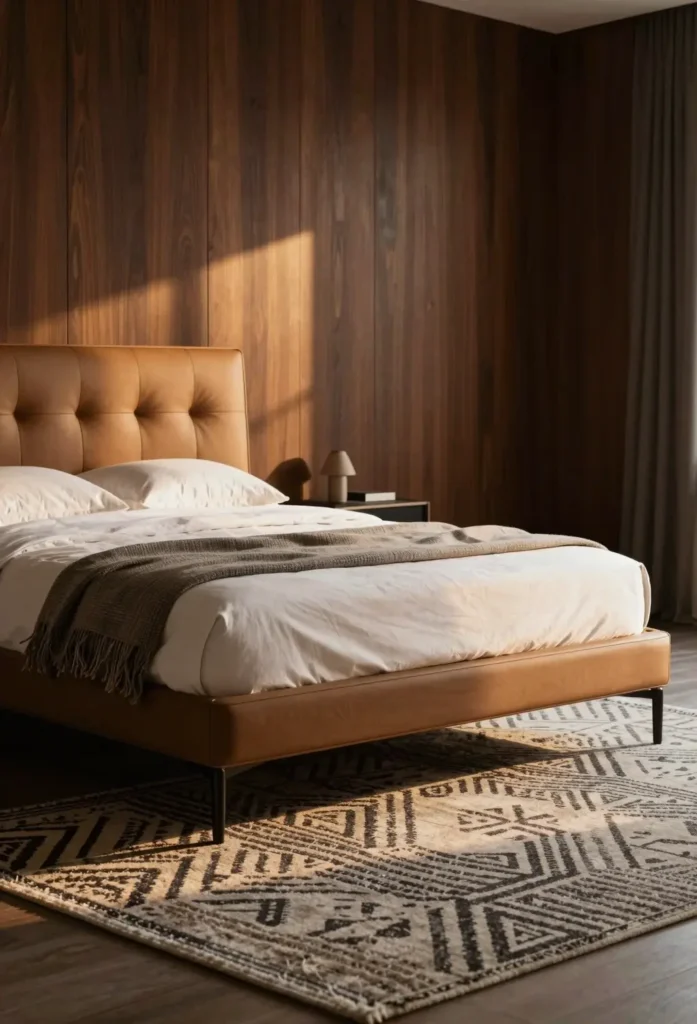
Color Palette: Natural wood tones, soft grays, cream, charcoal, and occasional warm black create serene neutrality. Warm wood prevents coldness—light oak and walnut feel more inviting than stark white minimalism.
Budget Options:
Under $50: IKEA’s MALM bed frame ($200-300 range, but quality lasts) and IVAR storage ($40-80) embody Japandi principles affordably.
Mid-Range ($200-500): CB2’s solid wood nightstands ($250) and linen bedding in natural ($180) deliver Japandi authenticity without luxury pricing.
Luxury ($700+): Muuto (Danish-Japanese collaboration) offers sculptural wooden furniture ($1,000+) that merges both design philosophies seamlessly.
Small-Space Hack: Floating nightstands ($30-60 at IKEA) eliminate visual bulk. Pair with wall-mounted shelving for storage that doesn’t consume floor space in 100-150 sq ft rooms.
Pro Tip: Limit your bedroom palette to three colors maximum. This constraint forces intentional choices and maintains the minimalist integrity Japandi demands.
5. Cottagecore Romance: Nostalgic Garden Dreams Indoors
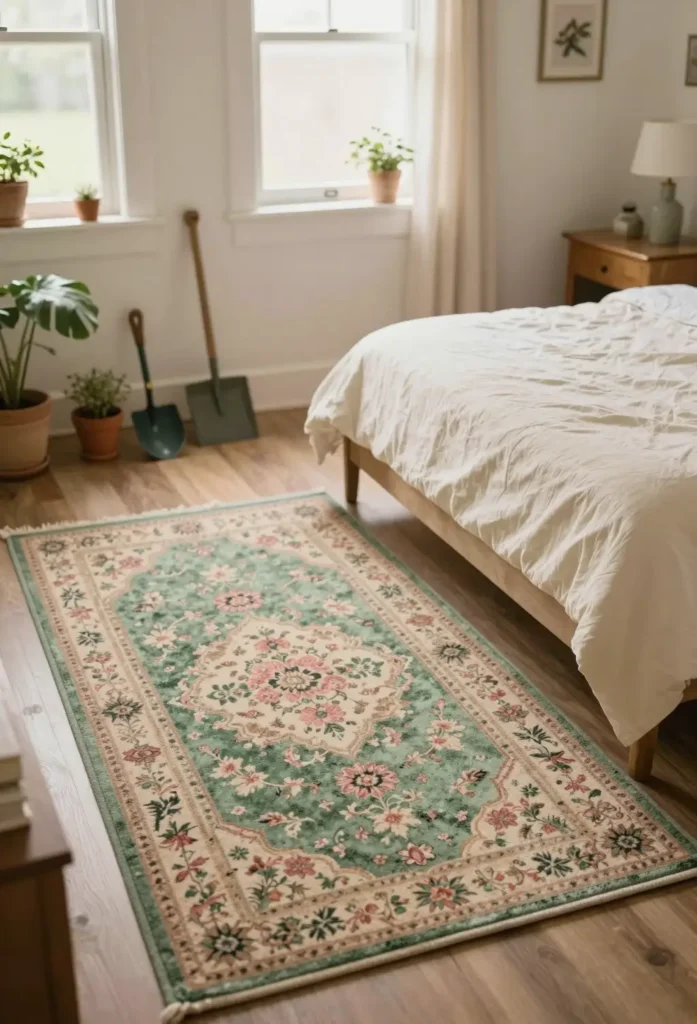
Cottagecore Romance channels rural European charm, vintage florals, and the fantasy of living in a countryside cottage. This 2026 trend appeals to those seeking warmth, history, and nature-inspired coziness.
Color Palette: Sage green, blush pink, cream, dusty mauve, and soft yellow create romantic softness. Floral patterns should feel vintage, not modern—think grandmother’s garden rather than contemporary botanical prints.
Budget Options:
Under $50: IKEA’s LEIRVIK bed ($200-250) in white pairs with floral bedding from Target ($40-50) for accessible Cottagecore charm.
Mid-Range ($150-400): CB2’s vintage-inspired bedding in florals ($200) and wrought-iron wall sconces ($120 each) create authentic period romance.
Luxury ($500+): Anthropologie’s curated Cottagecore collections ($400-800) feature genuine vintage pieces and artisanal reproductions that feel authentically nostalgic.
Small-Space Hack: Layered textiles—quilts, throws, and embroidered pillows—create visual abundance without consuming square footage. In 100-150 sq ft rooms, vertical texture replaces horizontal clutter.
Pro Tip: Incorporate one statement floral element (wallpaper accent wall or large fabric tapestry) rather than scattered florals throughout. This prevents pattern overload while maintaining Cottagecore romance.
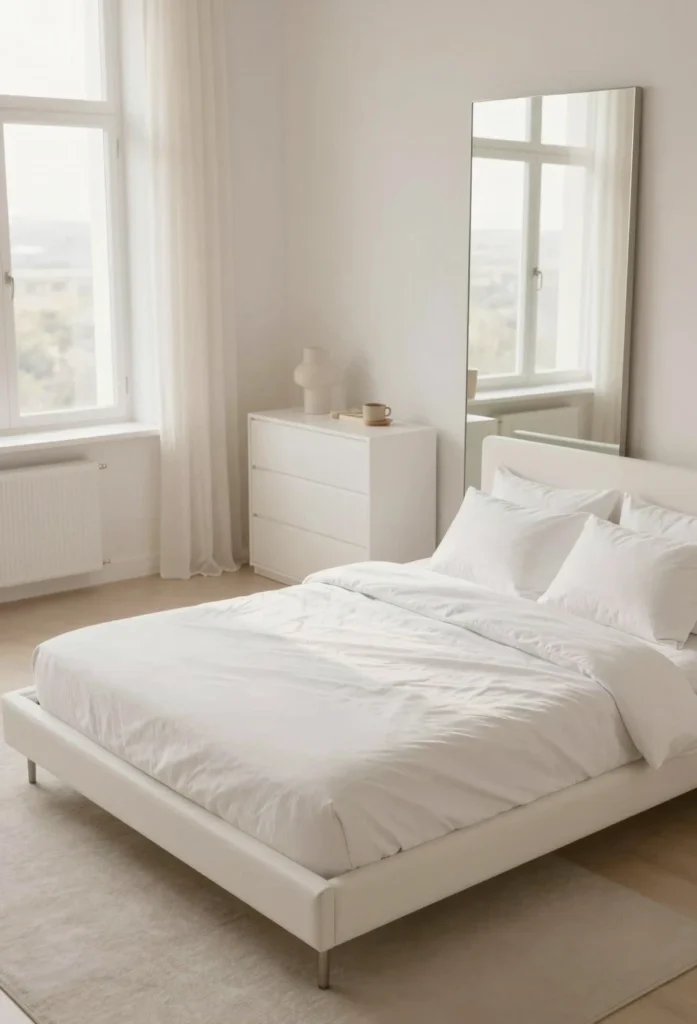
6-10. Maximalist Eclectic, Scandinavian Warmth, Industrial Chic, Celestial Mystique & Grandmillennial Green
6. Maximalist Eclectic: Curated Chaos That Works
Maximalist Eclectic thrives on intentional layering—mismatched patterns, global textiles, and collected art pieces that tell a personal story. Think jewel tones (emerald, sapphire, terracotta) paired with brass accents and vintage finds.
Start with a neutral base wall (soft cream or warm gray) to anchor the visual abundance. Layer patterned bedding from H&M Home ($40–80 range), add a Kilim rug from Etsy ($60–150), and hang gallery wall prints above the headboard. This approach prevents your bedroom from feeling chaotic while celebrating individuality.
Budget-friendly hack: Source vintage pieces from thrift stores and Facebook Marketplace instead of Anthropologie ($200+ for a single throw pillow). A $15 secondhand mirror paired with a $30 macramé wall hanging delivers the same curated-collector vibe.
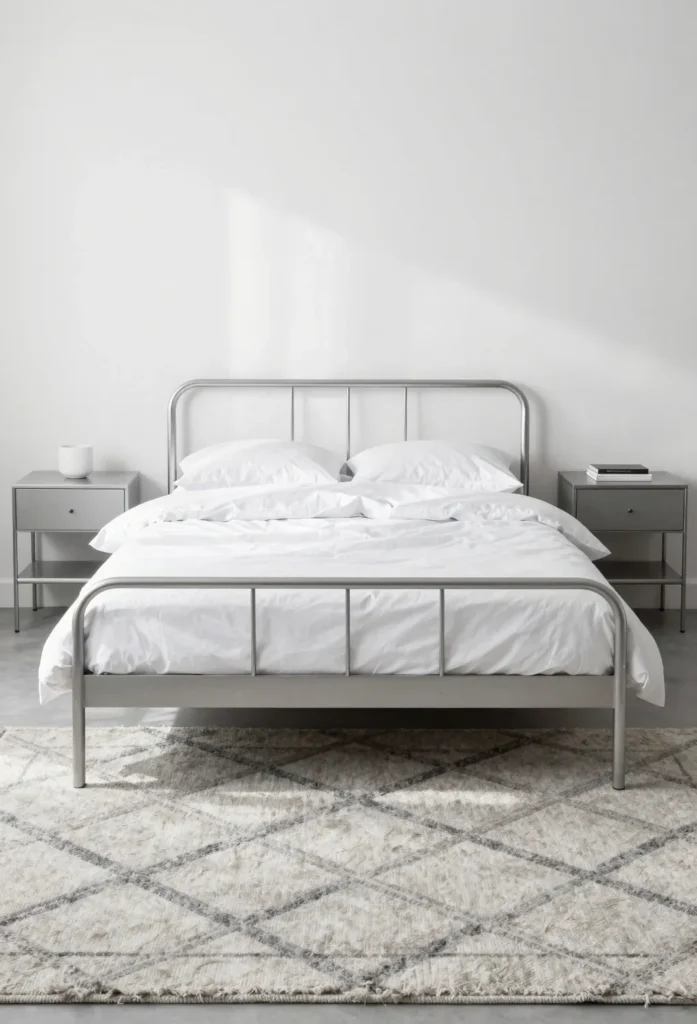
7. Scandinavian Warmth: Hygge Meets Modern Minimalism
Here’s the truth: Scandinavian design isn’t cold—it’s intentionally cozy. 2026 trends emphasize warm neutrals (oatmeal, soft taupe, warm white) layered with natural wood, linen, and sheepskin textures.
Invest in a solid wood bed frame (mid-range: $300–600 from Wayfair) as your centerpiece. Pair it with 100% linen bedding in cream ($120–200 from Parachute Home) and add a chunky knit throw ($45–80 from Etsy sellers). The magic happens through texture variety—smooth linen, rough-woven baskets, and plush area rugs create visual interest without color saturation.
Small-space solution: Floating wooden shelves ($30–50 from IKEA) replace traditional nightstands, maintaining the minimalist aesthetic while maximizing floor space in rooms under 120 sq ft.
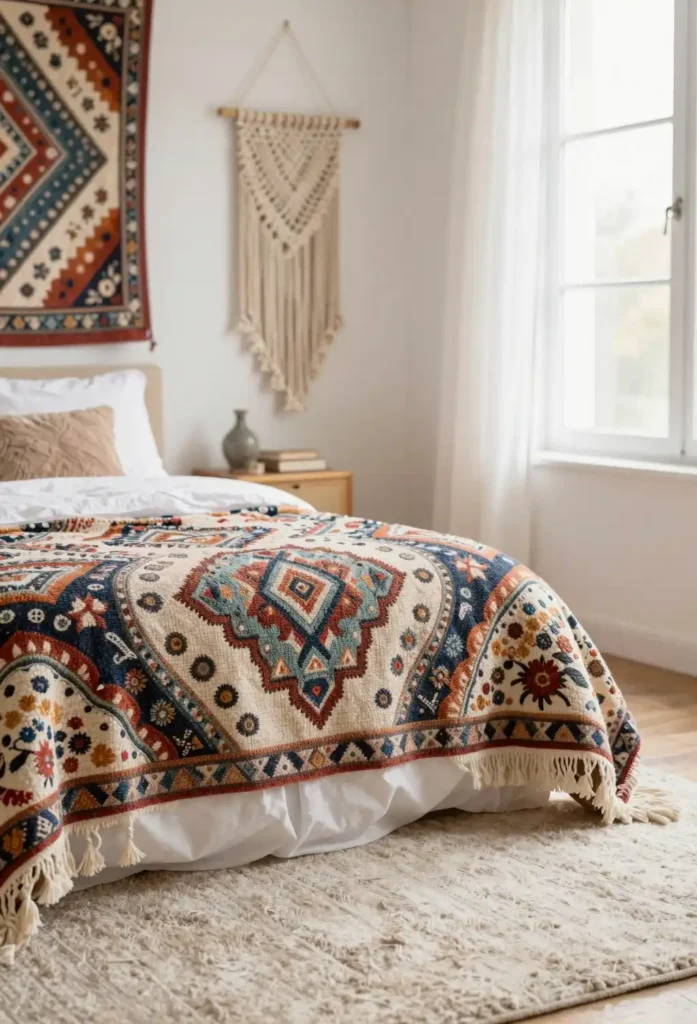
8. Industrial Chic: Raw Materials Refined
Industrial bedrooms balance exposed elements with refined comfort—think exposed brick, metal fixtures, and concrete-look finishes softened by quality textiles.
The foundation requires statement metal pieces: a wrought-iron bed frame ($250–500 from Wayfair) or vintage factory-style pendant lights ($40–120 from Etsy). Concrete-textured wallpaper ($25–40 per roll) on a single accent wall provides authenticity without structural renovation.
Soften the hardness with warm gray linen bedding ($100–180) and oversized leather pillows ($50–150 from H&M Home or budget alternative Article). Vintage industrial stools ($35–80) double as nightstands and storage.
What most people miss: Adding one warm wood element—a reclaimed wooden shelf or headboard—prevents Industrial spaces from feeling cold and institutional.
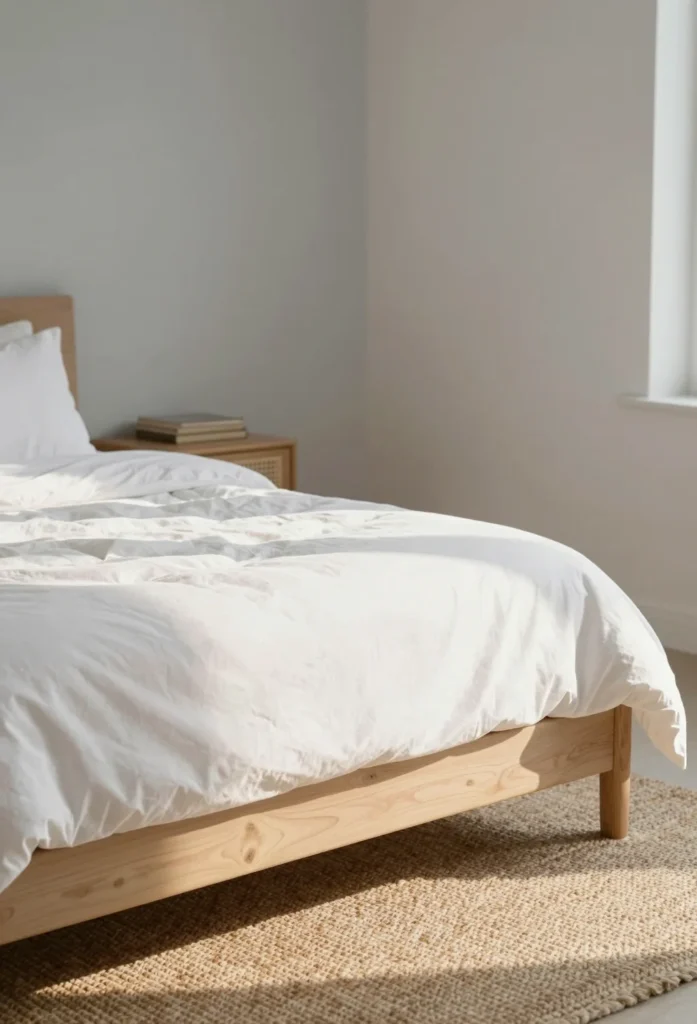
9. Celestial Mystique: Cosmic Dreams in Every Detail
Celestial aesthetics capture the 2026 fascination with astronomy and spiritual wellness. Deep navy, midnight blue, and charcoal create the cosmic backdrop, while gold accents and iridescent finishes add ethereal shimmer.
Start with navy or charcoal bedding ($60–150 from H&M Home or Wayfair). Layer with constellation throw pillows ($20–45 from Etsy) and glow-in-the-dark ceiling decals ($15–30). A brass or gold-finished bed frame ($200–400) anchors the luxury feel without luxury pricing.
Budget tier under $100 total: Purchase navy cotton sheets ($25), add string star lights ($12–20), hang a moon phase tapestry ($18–35 from Etsy), and place a gold-rimmed mirror ($30–50) to reflect ambient light.
Pro Tip: Position your bed to face a window if possible—natural moonlight enhances Celestial aesthetics authentically and reduces reliance on artificial lighting.
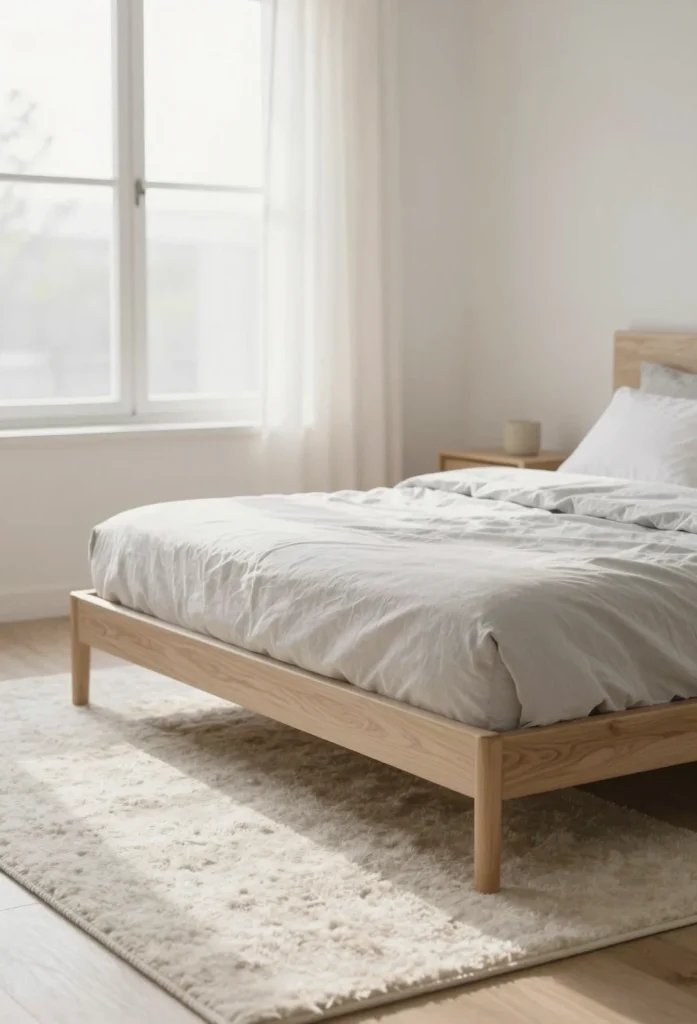
10. Grand millennial Green: Nostalgia Meets Sustainability
Grand-millennial Green merges millennial plant-parent culture with Gen-Z sustainability values—think sage green, terracotta, and botanical abundance paired with vintage furniture and Eco-conscious materials.
Layer soft sage green walls (paint: $30–50 per gallon) with natural wood furniture (thrifted or Wayfair’s sustainable line, $200–500). The bedroom becomes a living space through potted plants ($10–30 each from local nurseries), macramé plant hangers ($15–40 from Etsy), and botanical-print bedding ($80–180).
Small-space strategy: Vertical plant shelving ($40–80) and hanging planters ($20–50) create a garden-like atmosphere in compact rooms without consuming floor area.
Incorporate vintage terracotta accents—thrifted pots, ceramic vases, or clay planters ($5–25 each)—to reinforce the nostalgic, sustainable narrative. This aesthetic naturally encourages natural fiber textiles (organic cotton, hemp linen) that align with eco-conscious living.
Common Mistakes to Avoid When Designing Your Bedroom Aesthetic
Mistake #1: Overcrowding Without Breathing Room
Here’s the truth: aesthetic inspiration doesn’t translate directly to small spaces. Pinterest boards showcase magazine-quality rooms with 12-foot ceilings and 200 square feet of open floor space. When you replicate this in a 10×12 bedroom, you create visual chaos instead of sanctuary.
The fix? Apply the 60-30-10 design rule: 60% neutral base (walls, bedding), 30% secondary color, 10% accent elements. This prevents your Grandmillennial Green accent wall from competing with maximalist eclectic accessories simultaneously.
Mistake #2: Mismatched Color Temperature Lighting
What most people miss: warm LED bulbs (2700K) clash with cool-toned aesthetic palettes. A Dark Academia bedroom with deep navy walls needs consistent lighting—mixing warm and cool temperatures creates visual discord that photographs terribly (and feels worse in person).
Solution: Invest in smart bulbs ($15–40 per bulb) that adjust color temperature, or commit to one temperature throughout. Brands like Nanoleaf and LIFX offer affordable options under $50.
Mistake #3: Ignoring Scale and Proportion
You might be wondering why your bedroom feels cramped despite minimal furniture. Oversized statement pieces in compact rooms consume 40% more visual weight than their physical footprint suggests. A king-size platform bed dominates a 10×12 space differently than a queen.
Choose furniture scaled to your room dimensions—a compact mid-century nightstand ($80–150) works better than an ornate 48-inch dresser in tight quarters.
Mistake #4: Minimalist Designs Without Hidden Storage
Japandi and Scandinavian aesthetics demand clean lines and zero clutter, yet bedrooms require functional storage. Neglecting this creates visual stress when daily items have nowhere to hide.
Pro Tip: Invest in under-bed storage containers ($20–40) or floating shelves with closed backing ($60–120). IKEA’s BESTÅ system ($150–300) provides minimalist storage that maintains aesthetic integrity while solving the “where do I put my stuff?” crisis.
Pro Tips: Insider Secrets for Pinterest-Worthy Bedroom Design
Here’s the truth: The difference between an aesthetically mediocre bedroom and a Pinterest-worthy one isn’t budget—it’s layered lighting strategy. Most people rely on a single overhead fixture, which flattens the entire space. Instead, combine ambient lighting (soft ceiling fixtures or diffused lamps), task lighting (bedside reading lights, $30–80), and accent lighting (LED strip lights behind headboards, $15–35). This creates visual depth and Instagram-ready ambiance at any price point.
What most people miss: Strategic mirror placement amplifies natural light and makes compact bedrooms feel 40% larger. Position a statement mirror opposite your window—brands like CB2 ($120–400) and Article ($80–250) offer modern frames that double as décor.
Color blocking is your secret weapon for visual interest without chaos. Pair a neutral base wall (warm whites like Benjamin Moore’s “Swiss Coffee”) with a bold accent wall in jewel tones—emerald, sapphire, or terracotta—then echo that color through textiles and art.
Investment versus trends: Splurge on a quality bed frame and mattress ($800–2,500). Buy trendy throw pillows ($20–40) and seasonal wall art from affordable retailers like Society6 or Etsy instead.
Pro Tip: Style nightstands with the rule of three: a table lamp, a small plant (pothos, $8–15), and one decorative object (candle, book, or sculpture). This creates intentional, curated spaces that photograph beautifully.
Frequently Asked Questions About Bedroom Aesthetics
How do I choose an aesthetic for my bedroom?
Here’s the truth: your aesthetic should reflect both your lifestyle and your authentic taste, not just what’s trending on Pinterest. Start by scrolling 20–30 pins that make you pause, then identify the common threads—do you gravitate toward warm neutrals or jewel tones? Moody lighting or bright, airy spaces? Once you spot patterns, you’ve found your aesthetic DNA. Test your chosen style with affordable pieces (throw blankets from Target, $15–25) before committing to larger investments.
Can I mix multiple aesthetics together?
Absolutely—in fact, blended aesthetics are dominating 2026 bedroom design. The key is choosing a dominant style (say, Japandi Minimalism) and adding 20–30% of a secondary aesthetic (like Cottagecore Romance through botanical prints). What most people miss is the importance of a cohesive color palette; mixing aesthetics fails when colors clash. Stick to 3–4 colors maximum—soft sage, cream, charcoal, and blush, for example—and your hybrid bedroom will feel intentional rather than chaotic.
What’s the best budget to start designing my bedroom aesthetic?
You can transform a bedroom for under $500 by prioritizing high-impact, low-cost items: removable wallpaper ($20–40), throw pillows ($15–30 each), string lights ($10–20), and wall art from Etsy or Society6 ($15–50). Mid-range budgets ($500–1,500) allow for a quality mattress upgrade and one statement furniture piece. Luxury budgets ($1,500+) justify splurges on designer bedding (Parachute, $200–400) and custom furniture from Article or West Elm.
How do I make a small bedroom feel larger with aesthetic design?
Light colors, vertical storage, and strategic lighting are your secret weapons for small spaces. Paint walls in soft whites, pale grays, or warm creams (Benjamin Moore’s “Cloud White” is Pinterest gold), then layer mirrors opposite windows to amplify natural light. Invest in wall-mounted shelving ($30–80 from IKEA) instead of bulky dressers, and use tall, slim furniture pieces that draw the eye upward. Ambient lighting from wall sconces ($25–60) creates depth without consuming floor space.
What lighting works best for each aesthetic?
Different aesthetics demand different lighting strategies to achieve their signature mood. Dopamine Maximalist thrives with warm Edison bulbs and colorful neon signs ($20–100); Coastal Calm needs soft, diffused light from fabric lampshades in whites and naturals; Dark Academia requires moody brass or black fixtures with warm 2700K bulbs; Japandi Minimalism calls for clean-lined pendant lights or paper lanterns; and Celestial Mystique demands fairy lights, moon lamps ($15–40), and deep amber accent lighting.
Pro Tip: Layer three types of lighting in every bedroom—ambient (overhead or wall sconces), task (bedside lamps or desk lights), and accent (string lights, neon, or LED strips). This flexibility lets you adjust the mood from energizing to restful depending on the time of day and your aesthetic’s personality.
Key Takeaways: Your Bedroom Aesthetic Action Plan
1. Choose Your Aesthetic Based on Lifestyle, Not Just Visuals
Here’s the truth: the most beautiful bedroom aesthetic is one you’ll actually live in. Consider your daily routine, natural light, and maintenance capacity before committing to Dark Academia’s moody jewel tones or Grandmillennial Green’s plant-heavy demands.
2. Budget Smart Across Three Tiers
Allocate roughly 40% to foundational pieces (bed frame, mattress, curtains under $200–300), 35% to mid-range décor (nightstands, rugs, lighting at $50–150 each), and 25% to accent details (throw pillows, wall art, plants under $50). This prevents overspending on trendy pieces you’ll tire of.
3. Implement Your Design in Phases
Don’t overhaul everything at once. Start with wall color or wallpaper (the biggest visual impact), add lighting and textiles next, then layer in accessories. This phased approach lets you course-correct without financial waste.
4. Curate a Dedicated Pinterest Board Before Purchasing
Save at least 50 pins matching your chosen aesthetic. Look for recurring color palettes, furniture silhouettes, and styling patterns—these repetitions reveal what truly resonates with you versus fleeting trends.
5. Prioritize Sustainable, Quality Investments
Skip fast-furniture brands for mid-range options like Article, West Elm, or vintage thrifted pieces. Quality textiles (Egyptian cotton sheets, linen curtains) and solid wood furniture outlast trends and justify their cost.
6. Document Your Progress for Social Inspiration
Take before-and-after photos throughout your transformation. You’ll not only track your aesthetic evolution but create content that inspires others navigating similar design journeys.
Pro Tip: In small bedrooms under 120 square feet, choose one dominant aesthetic (like Japandi Minimalism or Coastal Calm) rather than mixing multiple styles. Cohesion creates the illusion of space and prevents visual chaos.
Your bedroom isn’t just a room—it’s your personal sanctuary, your creative refuge, and the first space you see each morning. Whether you’re drawn to the serene neutrals of Scandinavian Warmth, the rich jewel tones of Dark Academia, or the lush botanical vibes of Grand millennial Green, the aesthetic you choose should feel like a reflection of you.
Return to this action plan as you design, and remember: the most Pinterest-worthy bedrooms aren’t created overnight—they’re built with intention, patience, and a clear vision of the sanctuary you deserve.