What Makes a Moody Bedroom Luxe in 2026
Here’s the truth: moody bedrooms are no longer about dark, depressing spaces—they’re about intentional sophistication. In 2026, the luxury bedroom market has fundamentally shifted away from sterile minimalism toward what interior designers call “maximalist restraint,” where every shadow, texture, and hue serves a purpose.
A moody bedroom combines deep, saturated colors with layered lighting, rich textures, and strategic negative space to create an atmosphere of refined elegance. Think charcoal walls paired with brass fixtures, not a cave-like dungeon. The distinction matters because moodiness is about atmosphere, while darkness is simply the absence of light.
What most people miss is that 2026’s luxury aesthetic embraces color psychology at a premium level. Brands like Restoration Hardware and Farrow & Ball have doubled down on sophisticated dark tones—think “Railings” (a near-black green) or “Hague Blue”—because these colors trigger feelings of calm, intimacy, and exclusivity. The psychology is simple: deep tones make spaces feel intentional and curated, qualities luxury consumers crave.
The shift from minimalism to maximalism explains why moody bedrooms resonate now. After years of white walls and “less is more,” homeowners are hungry for personality, depth, and sensory richness. A moody bedroom delivers this without sacrificing the clean lines that modern luxury demands.
You might be wondering if moody bedrooms work in small spaces. They absolutely do. Dark walls actually make compact rooms feel more intimate and sophisticated—not smaller. The key is layering light sources and using reflective surfaces to prevent the space from feeling cramped.
Pro Tip: The luxury moody bedroom trend spans all budgets. You can achieve this aesthetic for under $50 by investing in one quality item (like a linen duvet in charcoal) and building around it, or spend thousands on custom millwork and designer furnishings. The difference isn’t the mood—it’s the materials and execution.
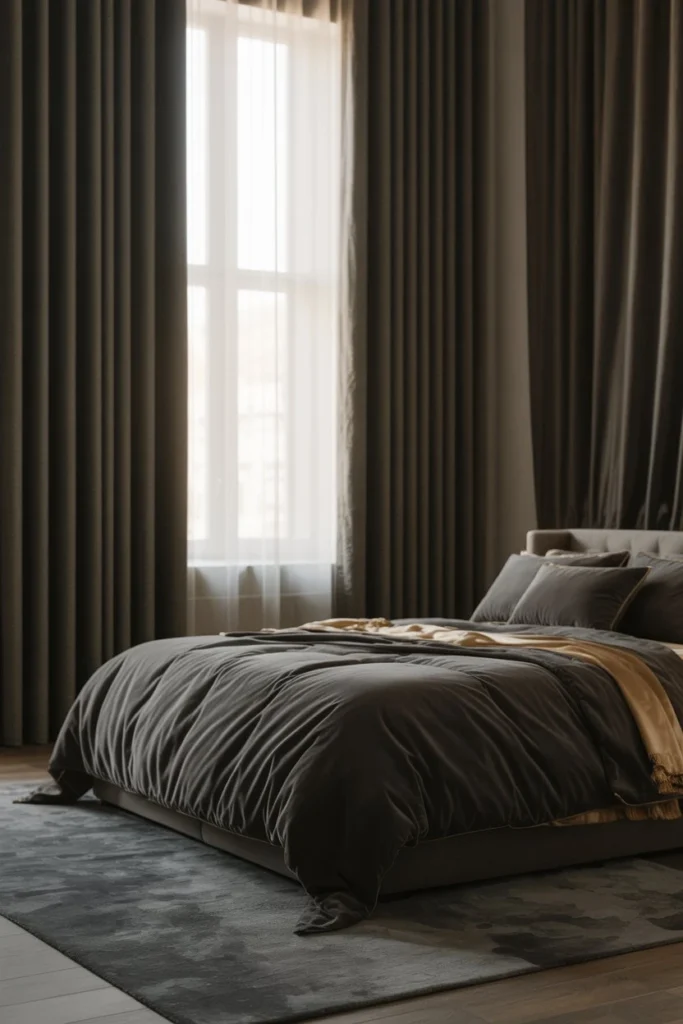
Color Palettes: Deep Tones That Exude Sophistication
Here’s the truth: not all dark colors read as “luxe”—it’s about undertones, saturation, and how they interact with light. The difference between a moody bedroom that feels expensive and one that feels depressing comes down to your color palette foundation.
Charcoal Black (#2C2C2C) remains the gold standard for 2026. This near-black has subtle gray undertones that prevent it from feeling harsh, making it perfect for accent walls or bedframes. It works beautifully in any room size, though smaller spaces benefit from pairing it with high-gloss finishes or metallic accents to bounce light around.
Deep Emerald (#355E3B) is having a major moment in luxury design. This jewel tone feels sophisticated without the coldness of pure greens. It’s particularly flattering for warm skin tones and creates an enveloping, cocoon-like atmosphere. Brands like Farrow & Ball and Benjamin Moore have made this their signature color for high-end projects.
Sapphire Blue (#0F3460) offers drama with warmth. Unlike icy blues, sapphire has red undertones that prevent cool-toned rooms from feeling clinical. This is ideal for larger bedrooms where you want bold impact without claustrophobia.
Burgundy Wine (#5C1A1A) speaks luxury instantly. Rich and deeply romantic, burgundy works exceptionally well in mid-sized rooms. Pair it with brass hardware and warm lighting for a five-star hotel aesthetic. Budget-friendly option: Sherwin-Williams’ “Fine Wine” starts around $35-50 per gallon.
Slate Gray (#6B7280) and Midnight Navy (#001F3F) are the versatile workhorses. Both read as sophisticated while being less commitment-heavy than pure black. Slate gray is particularly forgiving in small spaces.
Pro Tip: Test your color choice at three different times of day. Artificial lighting completely transforms deep tones—what looks luxe at night might feel heavy at noon. Paint large swatches on your actual walls and observe them for 48 hours before committing.
15 Moody Bedroom Design Ideas Ranked by Budget and Impact
Here’s the truth: creating a luxe moody bedroom doesn’t require a six-figure renovation budget. Strategic investments at every price point deliver dramatic transformation. We’ve ranked fifteen design ideas across three distinct budget tiers so you can build your sanctuary without financial stress.
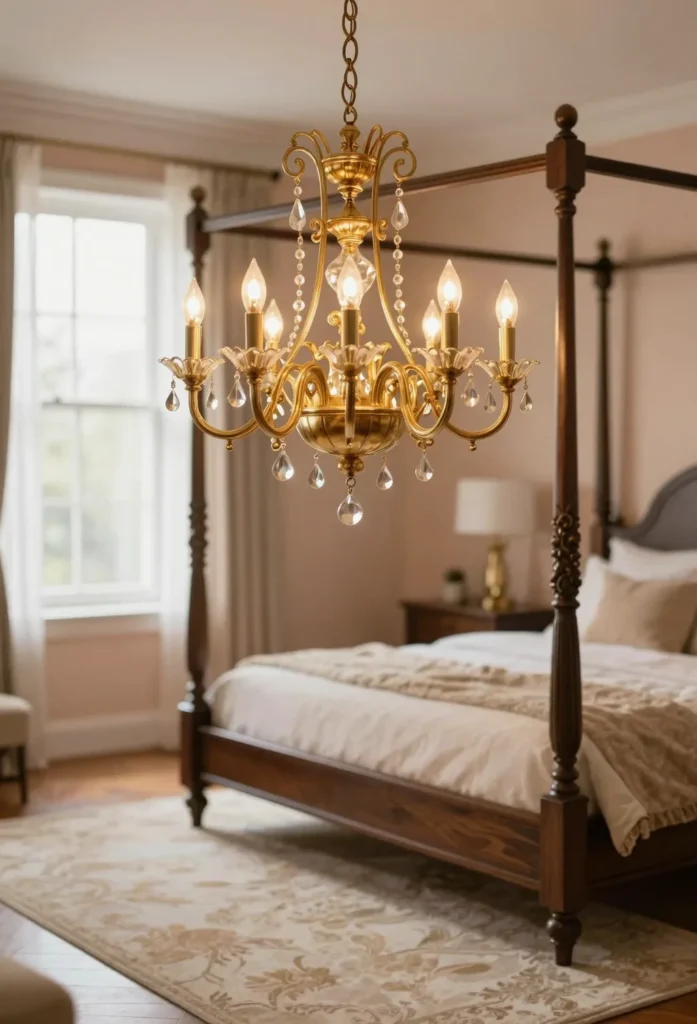
Under $50: Maximum Impact, Minimal Investment
Start with moody accent pillows in charcoal, deep plum, or forest green. Brands like Target and Amazon Basics offer velvet and linen options that instantly elevate your bed. A single can of quality paint (Benjamin Moore’s “Hale Navy” or Sherwin-Williams’ “Urbane Bronze”) transforms an entire bedroom for under $40. Add blackout curtains in deep jewel tones to control light and amplify that luxe cocoon feeling.
Mid-Range ($500–$2000): Where Luxury Becomes Accessible
This tier is where tangible luxury emerges. Invest in premium bedding from brands like Parachute or Brooklinen—Egyptian cotton sheets and a weighted duvet create hotel-quality comfort. A statement pendant light from Article or West Elm ($200–$600) becomes an architectural focal point. Consider removable wallpaper in dramatic patterns (Peel & Stick from brands like Spoonflower) for renters who crave moody drama without permanent commitment.
Luxury ($3000+): Designer-Level Sophistication
Custom upholstered headboards in deep velvet, designer wallpaper installations (Farrow & Ball or de Gournay), and statement furniture pieces define this tier. A luxury bed frame from Article’s premium collection or custom pieces anchors the space with undeniable sophistication.
What most people miss: small-space solutions matter. In apartments, vertical storage in matte black finishes maximizes function while maintaining moody aesthetics. Oversized mirrors with dark frames reflect light strategically without compromising the intimate atmosphere.
Pro Tip: Prioritize lighting and bedding first—these deliver 70% of the luxe feeling for 30% of the budget. Everything else builds from that foundation.
Lighting Strategies That Transform Moody Spaces Into Luxury Retreats
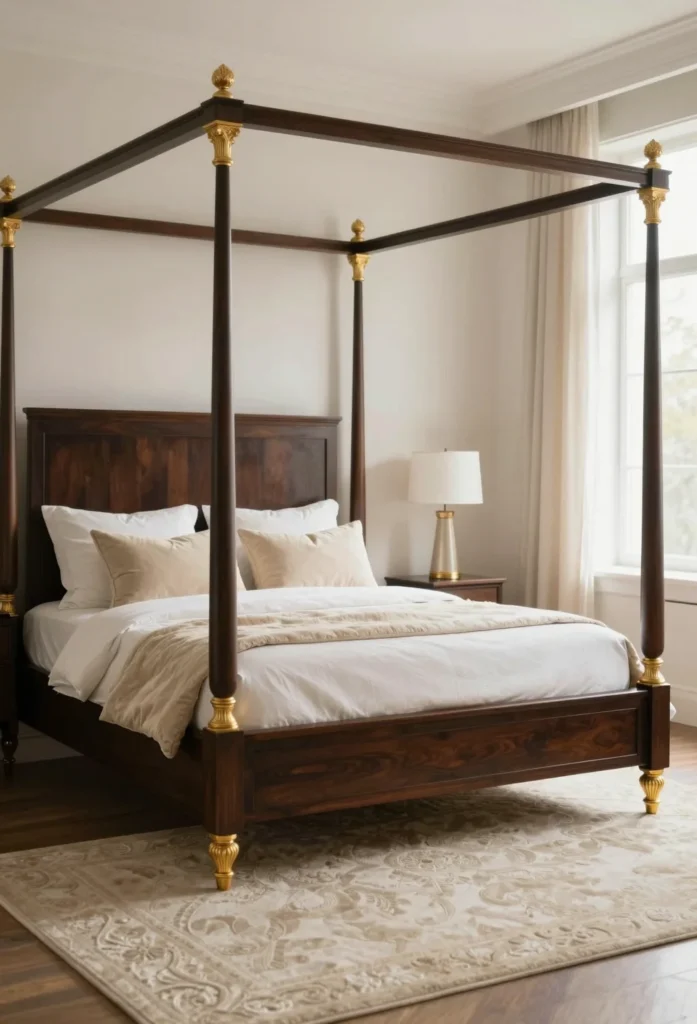
Here’s the truth: lighting makes or breaks a moody bedroom. You can have perfect paint colors and premium bedding, but poor lighting either washes out your space or leaves it feeling cave-like and uninviting. The luxury bedrooms you see in 2026 design magazines all share one thing—layered lighting that’s both atmospheric and functional.
Layered lighting means combining multiple light sources at different intensities. Start with dimmable overhead fixtures that let you control ambiance from bright (for cleaning and getting ready) to intimate (for winding down). Look for fixtures with warm color temperatures—specifically 2700K (soft white)—which enhances moody tones like charcoal, navy, and deep emerald without feeling clinical.
Bedside sconces are non-negotiable. Position them at eye level when lying down to eliminate harsh shadows. Mid-range options from brands like Schoolhouse Electric ($80–$150 per sconce) offer modern aesthetics without Restoration Hardware’s premium pricing. For luxury seekers, Apparatus Studio sconces ($400+) deliver sculptural elegance that elevates the entire space.
What most people miss: LED strip lighting behind your headboard creates invisible depth. Install warm 2700K strips along the wall behind your bed frame to cast a soft glow without visible fixtures. Budget-friendly kits run $30–$60 and transform perception instantly.
Accent lighting matters too. Table lamps with linen shades in warm tones add texture and warmth. Luxury brands like Restoration Hardware’s Petite Candlestick Collection ($395–$595) make statements, while IKEA’s TÄRNBY ($40) achieves similar moody vibes affordably.
Pro Tip: Install dimmer switches on every light source. This single investment (under $15 per switch) gives you complete control over mood throughout the day and night—the hallmark of genuinely luxe bedrooms.
Common Mistakes to Avoid When Creating a Moody Bedroom
Here’s the truth: a moody bedroom and a dark cave are not the same thing—yet most people blur this line immediately. The difference between luxe and oppressive lies in intentional design choices that 80% of DIYers overlook.
Mistake #1: Eliminating Natural Light Entirely
What most people miss is that moody doesn’t mean murky. When you block out all daylight with blackout curtains permanently installed, your bedroom becomes a dungeon rather than a sanctuary. The fix? Layer your window treatments. Pair blackout liners (IKEA’s RÄCKA rods, $20–$30) with sheer overlays in charcoal or deep taupe that filter light while maintaining visual depth. This creates the sophisticated, controlled ambiance luxury bedrooms demand without sacrificing circadian rhythm health.
Mistake #2: Skipping Lighting Layers Entirely
Relying solely on overhead fixtures in a moody space creates harsh shadows and eliminates the dimensional lighting that separates designer bedrooms from dated ones. Invest in three distinct layers: ambient (dimmable overhead or flush-mount), task (bedside sconces or reading lights), and accent (wall-mounted uplighting or LED strips behind headboards). Budget-friendly options like LIFX smart bulbs ($15–$25) let you adjust color temperature, transforming cool 4000K daylight to warm 2700K evenings.
Mistake #3: Choosing Low-Quality Fabrics
Cheap polyester bedding and synthetic curtains immediately undermine moody luxury. Deep jewel tones—emerald, sapphire, charcoal—demand natural fibers (cotton sateen, linen, velvet) that catch light authentically. Splurge on sheets ($80–$150 for quality Egyptian cotton) and save on accent pillows ($20–$40 from brands like Etsy artisans or Article).
Mistake #4: Neglecting Textural Contrast
A monochromatic moody bedroom in flat fabrics feels one-dimensional. Combine matte walls with glossy accents, smooth linens with nubby textures, and solid colors with subtle patterns to create visual interest that prevents monotony.
Pro Tip: Paint an accent wall in deep charcoal (Benjamin Moore’s Wrought Iron, $40–$60 per gallon) while keeping remaining walls in warm greige. This single contrast prevents the cave effect while maintaining sophistication.
Pro Tips Interior Designers Use for Moody Luxury Bedrooms
Here’s the truth: luxury isn’t about spending the most—it’s about spending strategically. Professional designers know exactly where to splurge and where to save, and they’ve cracked the code on making moody bedrooms feel expensive without the five-figure price tag.
Velvet upholstery is the secret weapon most articles overlook. A velvet bedroom bench or ottoman (West Elm, $150–$350) or even velvet throw pillows ($25–$60 each) instantly elevates a moody space. The fabric absorbs light differently than cotton, creating depth and that coveted luxe tactile quality. What most people miss: velvet works better in moody rooms because dark jewel tones—emerald, sapphire, burgundy—showcase its richness without looking heavy.
Brass and gold hardware replaces chrome and nickel in luxury moody bedrooms. Swap out basic nightstand knobs for vintage-style brass pulls (Amazon, $8–$15 per set) or upgrade to brass curtain rods (Anthropologie, $68–$128). This single detail signals intentionality and pairs perfectly with deep walls.
Layering textures separates amateur from professional design. Combine linen sheets, a chunky wool throw, velvet pillows, and a woven jute rug to create visual and tactile interest. Each texture catches light differently, preventing the “flat, cave-like” feeling that kills moody rooms.
Strategic mirrors are the insider hack that transforms moody spaces without compromising the aesthetic. Place a large brass-framed mirror (CB2, $150–$400) opposite your window or light source—it amplifies natural light while the brass frame grounds the mood. You might be wondering if mirrors feel too “bright” for moody rooms; they don’t when framed in warm metals.
Pro Tip: Invest in a statement headboard ($300–$800) upholstered in contrasting velvet or linen. This anchors the entire room and becomes your focal point, allowing other elements to be more budget-conscious without feeling cheap.
Frequently Asked Questions About Moody Bedroom Design
Will a moody bedroom actually feel too small or cramped?
Here’s the truth: moody bedrooms can actually feel more spacious when designed strategically. Deep colors like charcoal, forest green, and navy recede visually, making walls feel further away rather than closing in. The key is pairing dark walls with high ceilings (or ceiling treatments that draw the eye upward) and strategic lighting to prevent the space from feeling cave-like. Small bedrooms under 100 square feet benefit most from moody designs paired with mirrors and metallic accents that reflect light and create perceived depth.
How do I prevent my moody bedroom from looking depressing instead of luxe?
What most people miss is the balance between dark and light elements. A moody bedroom becomes depressing when it lacks contrast, texture, and warm lighting. Incorporate cream-colored bedding, light wood furniture, or brass fixtures to break up the darkness. Layered lighting—including ambient, task, and accent lighting—is non-negotiable. Adding plants (fiddle leaf figs, pothos) and artwork with lighter tones prevents the space from feeling oppressive.
What’s the best moody color for resale value?
Charcoal gray and deep navy blue consistently perform best in real estate markets because they feel sophisticated without being polarizing. These colors appeal to broader buyer demographics than deep plum or black. Soft blacks and greens also maintain resale appeal while maintaining that 2026 luxury aesthetic that buyers expect in high-end homes.
Can I create a moody bedroom on a budget?
Absolutely—start with paint ($30–$60 per gallon) as your biggest impact investment. Layer in budget-friendly elements like dark bedding from IKEA ($80–$150), thrifted brass lamps ($15–$40), and DIY artwork. Mid-range investments in one statement piece (a velvet chair under $300) elevate the entire room without breaking the bank.
How do I add moody style to a rental without losing my security deposit?
Removable wallpaper in deep jewel tones ($25–$80 per roll) transforms rental bedrooms without permanent damage. Peel-and-stick solutions from brands like Spoon flower offer luxury aesthetics temporarily. Swap out hardware on existing furniture, add layered rugs, and use portable lighting fixtures, all completely reversible while maintaining that luxe moody aesthetic.
Key Takeaways: Your Moody Bedroom Checklist
✓ Commit to a cohesive color foundation. Choose one primary deep tone—charcoal, forest green, navy, or burgundy—and build your palette around it. Add 2-3 complementary accent colors (think emerald, gold, or blush) to prevent the space from feeling flat or cave-like. This creates sophistication without monotony.
✓ Layer your lighting in three tiers. Here’s the truth: ambient, task, and accent lighting are non-negotiable for moody bedroom luxury. Invest in dimmable overhead fixtures, bedside lamps, and wall sconces ($15–$200 depending on budget). Brands like Rejuvenation and IKEA’s HEKTAR collection deliver designer vibes without breaking the bank.
✓ Mix textures intentionally across budget tiers. Pair velvet pillows ($30–$80) with linen sheets ($50–$150), add a faux fur throw, and layer a chunky knit blanket. What most people miss: texture contrast prevents moody from feeling heavy—it adds visual interest and tactile luxury simultaneously.
✓ Allocate 40% of your budget to textiles and lighting. Under $500? Prioritize quality bedding and one statement light fixture. Mid-range ($500–$1,500)? Invest in upholstered furniture and layered lighting. Luxury ($1,500+)? Splurge on custom window treatments and professional-grade fixtures.
Pro Tip: In small spaces, use vertical lighting (wall sconces instead of floor lamps) and mirrors with moody frames to amplify the luxe factor without consuming square footage.
✓ Embrace removable solutions for renters. Peel-and-stick wallpaper, portable area rugs, and adhesive hooks create permanent-looking results with zero commitment.
✓ Start with one statement piece and build outward. Whether it’s a velvet headboard, jewel-toned accent wall, or sculptural lighting fixture, let that anchor your entire design narrative.