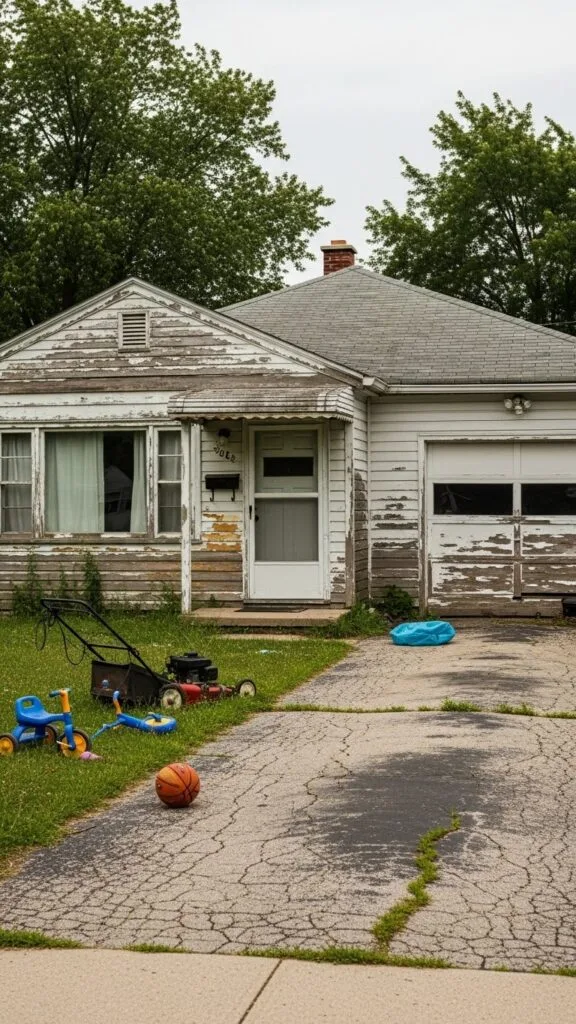
After House Re-modelling
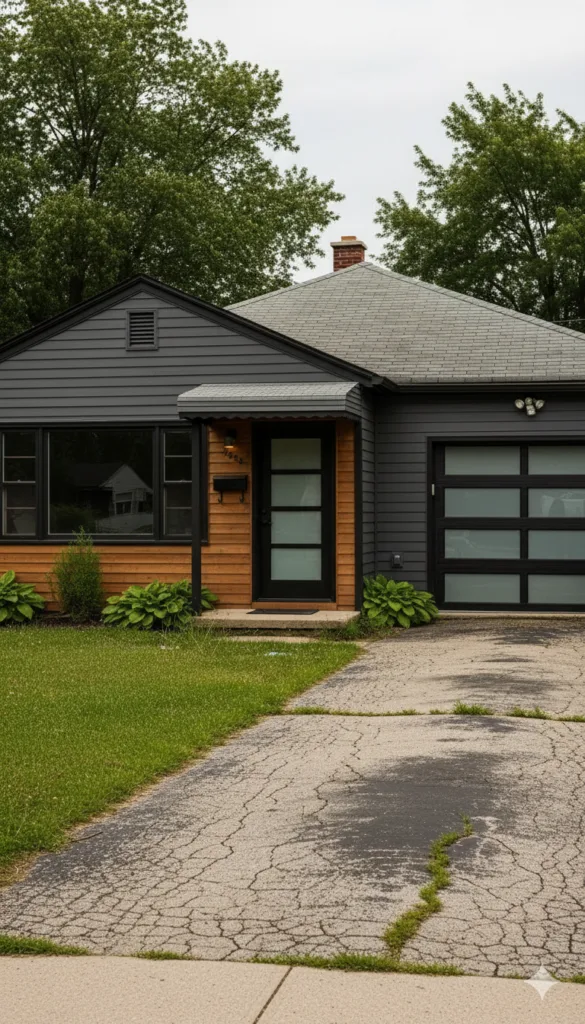
The Soul of Old Walls & the Magic of Reinvention
There’s an emotional pull to old houses — the creak of vintage floorboards, the uneven charm of plaster walls, the whisper of history in original staircases. But with age often comes wear: dated layouts, tired fixtures, leaky roofs, and systems that haven’t been touched for decades. Renovating a very old house isn’t just about updating sights and surfaces — it’s about negotiating with history, preserving charm while weaving in today’s lifestyle needs.
In this article, as a senior home-design strategist with 15+ years of experience, I’ll take you on a journey through before/after house remodeling — from structural considerations to aesthetic transformations — so you can envision a renovation that feels both timeless and practical. With every idea, you’ll see the real payoff of thoughtful design and careful execution.
What Makes Old House Renovations So Unique (and Challenging)
Before we dive into before/after reveal ideas, it’s crucial to understand why renovating a very old house is different from building new.
1. Exploring the Layers of History Hidden in the Walls
Old houses often have hidden surprises — original flooring under decades of carpet, masoned fireplaces behind drywall, or structural oddities that reflect bygone building codes. Discovering these elements can be inspiring… and demanding. While you want to preserve charm, you also need to update the bones (plumbing, wiring, insulation) to modern standards.
2. Structural & System Upgrades Come First
Before decorating, the house must live safely. Electrical and plumbing upgrades, roof and foundation stabilization, insulation, and heating systems are essential before surface finishes. Without attending to them first, aesthetic updates can quickly be undone by leaks, drafts, or outdated infrastructure. This step is a staple recommendation in expert remodel planning.
3. Balancing Preservation with Modern Needs
Old houses often come with wonderful architectural features — beaded board ceilings, oak floors, original windows, decorative molding — and part of renovation is honoring those while modernizing layouts for everyday living, comfort, and efficiency.
Before & After: Inspiring Areas to Remodel in an Old House
Below are the key spaces people renovate in old homes — with what to look for before, and how they often afterward shine.
1. Façade & Curb Appeal Transformation
BEFORE: Weathered exterior, faded paint, cracked pathways, dated windows.
AFTER: Fresh landscaping, repaved entryway, updated windows and trims that echo original style.
One great example from a UK renovation project shows how a dated 1930s house gained immediate personality with just updated driveway paving, a new front step, fresh border plants and modern yet sympathetic windows — instantly improving its presence on the street.
2. Hallway & Entry Space
BEFORE: Small, dark, cluttered space with outdated flooring or finishes.
AFTER: A bright, welcoming entrance with restored flooring, clean lines, and storage solutions.
In one prominent project, ripping up old hectic carpet revealed floors worth restoring and changing lighting and paint instantly updated the mood and flow into the home.
3. Kitchen Remodel — Heart of the Home
BEFORE: Cramped, inefficient layout, mismatched cabinetry, old appliances.
AFTER: Open plan or improved flow with modern cabinetry, better storage, and quality finishes.
Kitchens in older homes are often isolated and inefficient. Opening walls or reconfiguring cabinets can radically change how the space functions and feels — blending heritage charm with modern needs.
4. Living Room & Common Rooms
BEFORE: Room feels closed off, dated paint or carpet, small windows.
AFTER: Open feel, restored woodwork, new paint, and lighting that honors character.
In many renovation stories, the living room becomes the showpiece — light poured in through enlarged or restored windows, original trim preserved, and modern lighting chosen to warm the space.
5. Bedroom Overhaul
BEFORE: Dark, cluttered, outdated finishes.
AFTER: Serene, bright, functional layouts with smart storage and fresh surfaces.
Renovations balance maintaining character (like vintage moldings) with decluttering and simplifying spaces — letting bedrooms feel restful and modern.
6. Bathroom Revamp
BEFORE: Small, inefficient, dated fixtures and finishes.
AFTER: Spa-like spaces with contemporary tiles, updated fixtures, and better lighting.
Bathrooms in old houses often require plumbing relocation — but the payoff is huge: a small, dark space transforms into a bright, efficient, luxurious feel.
Before & After Renovation Tips From Real Projects
Think in “Zones,” Not Just Rooms
Great renovations look at how spaces connect. Opening a dining room into a kitchen, or bringing circulation into the open can make an old house feel bigger and more logical. This is a common theme in major renovation tours.
Preserve What’s Earned Its Patina
Old houses often have original flooring, a stained glass window, or architectural woodwork that deserves to stay. In one project, a stunning stained glass window was kept and showcased, proving that personal history adds richness to a modern redesign.
Structural Upgrades Save Money in the Long Run
Before indulging in aesthetics, address foundation, roof, insulation, and systems. Failing to do this leads to repeated repairs — it’s a lesson seasoned renovators always stress.
Common Mistakes in Old House Renovation (and How to Avoid Them)
1. Starting With Surface Finishes Too Early
Many DIYers begin with paint or décor before checking structural health. Always start with core systems (plumbing, electrical, roof) before the pretty stuff.
2. Ignoring Natural Light Opportunities
Smaller windows or blocked light can make even good renovations feel heavy. Consider enlarging windows or adding skylights where possible.
3. Over-Modernizing Without Respecting Character
A total contemporary makeover can erase what makes an old home unique. A successful remodel often blends old and new — preserving history while adding comfort. Better Homes & Gardens
Easy Wins to Boost Before/After Visual Impact
Use these elements to create dramatic before/after visuals in your blog or portfolio:
✔ Replace dated flooring with restored wood or new wide-plank flooring
✔ Open partitions to improve flow
✔ Restore or replace windows to boost light
✔ Update fixtures but keep classic lines
✔ Use neutral palettes that honor history while feeling fresh
H2 — FAQs — Planning Your Very Old House Renovation
Q1: How much should I expect to spend on a full old house renovation?
A: Costs vary widely depending on scope — structural work alone often takes 30–50% of budget before aesthetic updates.
Q2: Should I hire professionals for historic homes?
A: Absolutely — surveys from design series and renovation experts show professionals help balance structural safety with design continuity. Wikipedia
Q3: What’s the biggest mistake people make renovating old homes?
A: Starting with finishes before addressing infrastructure. Always fix wiring, plumbing, roof, insulation first.
Conclusion — From Dusty History to Modern Comfort
The journey of renovating a very old house is part archaeological dig, part design sprint. With thoughtful planning, respect for original character, and smart “before → after” decisions, you can turn a worn-out home into a space that feels like yours — respectful of the past and ready for the future.
Old houses can become dream homes. You just need the right vision, the right sequencing, and a willingness to let both history and hope shape your renovation. 🌿